Virginia Tech Student Solves 160-Million-Year Fossil Mystery With 'Murder Muppet' Dinosaur
Crushed skull forgotten in drawer reveals new species that challenges understanding of early dinosaur evolution and mass extinction.
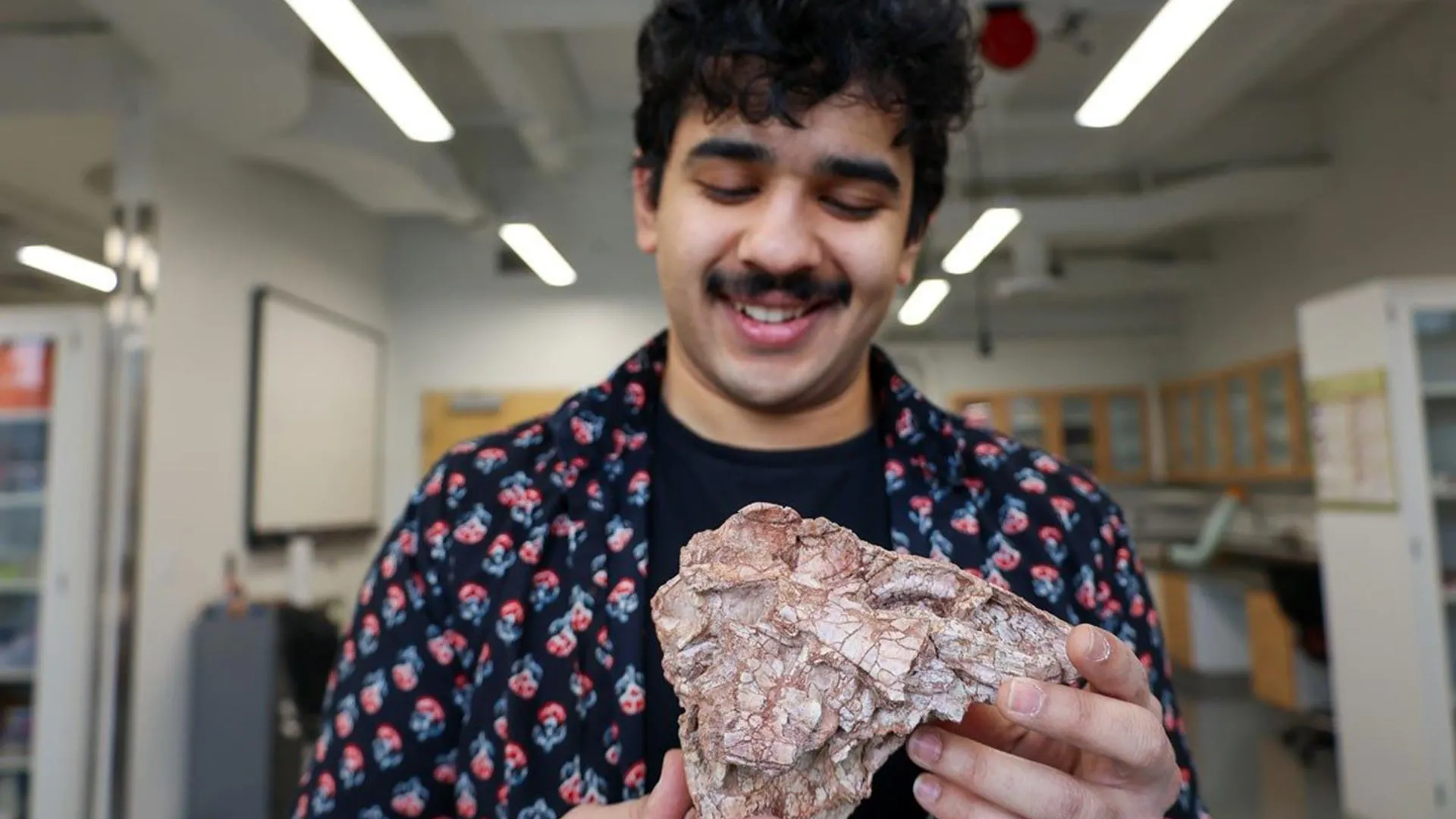
A badly mangled dinosaur skull that spent decades forgotten in a museum drawer has yielded one of paleontology's most significant recent discoveries, thanks to the painstaking work of Virginia Tech undergraduate Simba Srivastava. The senior geosciences major spent two years digitally reconstructing the crushed fossil, ultimately revealing a new species of early carnivorous dinosaur that challenges current understanding of how these ancient predators evolved and survived mass extinction events.
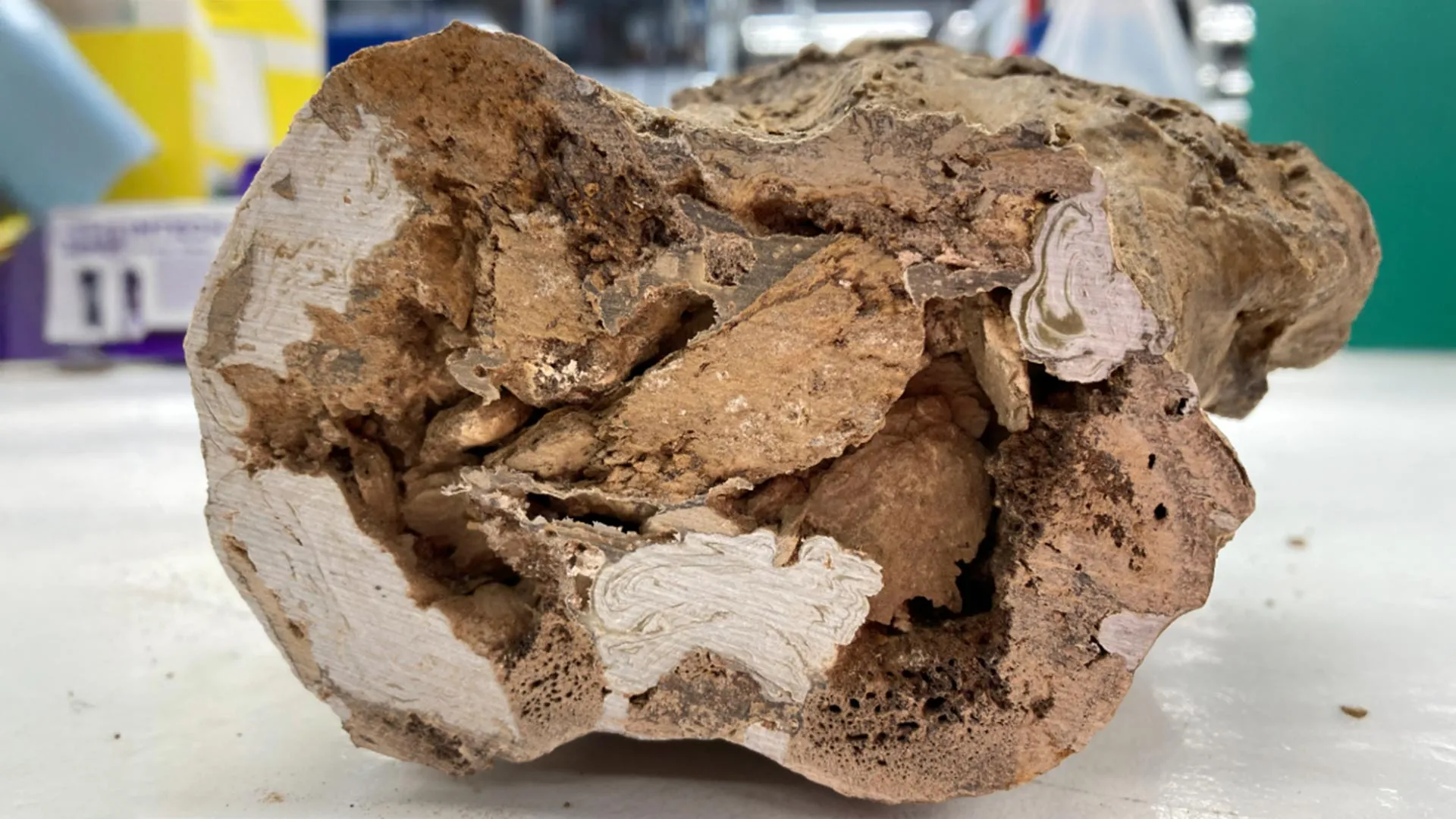
The fossil, originally discovered in 1982 at Ghost Ranch in New Mexico by a Carnegie Museum of Natural History team, was rediscovered by Virginia Tech geobiologists Sterling Nesbitt and Michelle Stocker, who brought the specimen to their lab for further study. Using computed tomography scanning, Srivastava digitally separated the crushed bones and created a 3D printed reconstruction of the skull, revealing features never before seen in early dinosaurs.
"We want undergraduate researchers to experience the whole paleontological research process at Virginia Tech," said Nesbitt. "Simba grabbed the project by the reins." The reconstruction revealed a dinosaur with large cheekbones, a broad braincase, and likely a short, deep snout—characteristics that had not been documented in early dinosaur species and suggest more complex evolutionary patterns than previously understood.
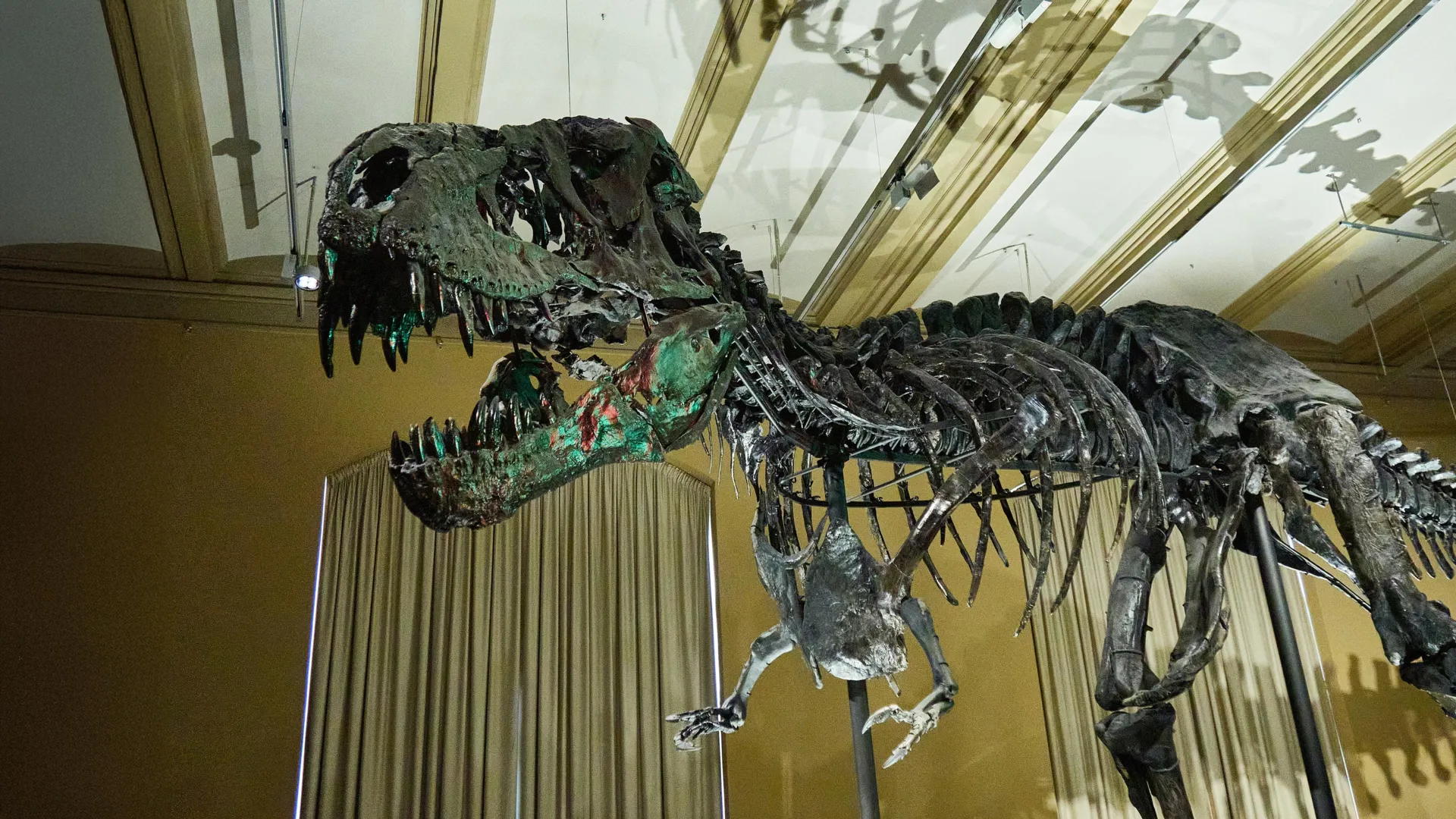
Srivastava named the new species Ptychotherates bucculentus, meaning "folded hunter with full cheeks" in Latin, though he acknowledged its unusual appearance led one paleontologist to describe it as resembling a "murder muppet." The dinosaur lived more than three times earlier than Tyrannosaurus Rex, during the end of the Triassic period when dinosaurs were still competing with early crocodile relatives and mammals for dominance.
The discovery is particularly significant because it comes from a critical transition period in Earth's history. The end-Triassic mass extinction eliminated much of the dinosaurs' competition, allowing them to become the dominant land animals. "Dinosaurs go from being co-stars to the headliner," Srivastava explained. The research, published in Papers in Palaeontology, suggests that even dinosaur groups previously thought to survive the extinction may have been eliminated, with this specimen potentially representing one of the last survivors of an ancient dinosaur lineage.