Ancient Mass Grave Reveals How Plague Pandemic Devastated 1,500-Year-Old City
Researchers confirm first plague mass burial site at Jerash, Jordan, offering unprecedented insight into how the Plague of Justinian reshaped ancient societies.
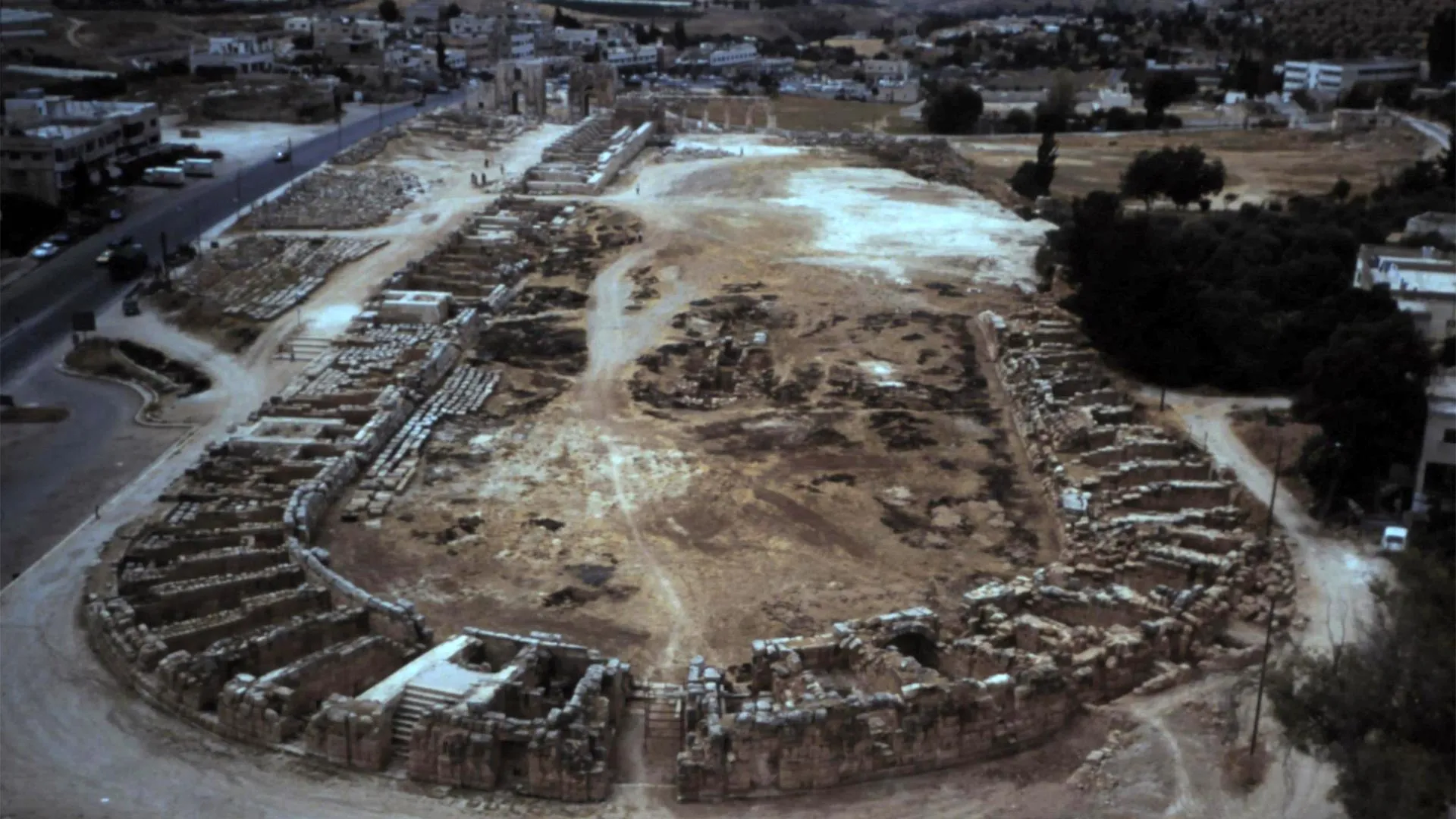
A newly confirmed mass grave in ancient Jordan is providing chilling insights into one of history's first pandemics, revealing how the Plague of Justinian devastated entire communities and reshaped ancient societies. An interdisciplinary team from the University of South Florida has published groundbreaking research in the Journal of Archaeological Science examining what is believed to be the first recorded outbreak of bubonic plague in the Mediterranean, which killed millions across the Byzantine Empire between 541-750 CE.
The study, led by Rays H. Y. Jiang, an associate professor in the College of Public Health, moves beyond simply identifying the pathogen to focus on the human impact of the pandemic. "We wanted to move beyond identifying the pathogen and focus on the people it affected, who they were, how they lived and what pandemic death looked like inside a real city," Jiang explained. The research team included colleagues from USF's departments of anthropology, molecular medicine, and history, along with international collaborators.
Jerash now stands as the first location where a plague-related mass grave has been confirmed through both archaeological evidence and genetic testing, marking a significant breakthrough in pandemic archaeology. Historical accounts describe widespread disease during the Byzantine era, but many suspected plague burial sites have lacked firm proof until now. The burial represents a single catastrophic event where hundreds of individuals were buried within a matter of days, unlike traditional cemeteries that develop gradually over time.
At the height of the Plague of Justinian, affected individuals came from a wide range of communities that were often disconnected from one another, but in death they were brought together in this mass burial site. Large numbers of bodies were placed quickly on top of pottery debris in an abandoned public area, revealing the overwhelming scale of mortality that cities faced during the pandemic. The discovery reshapes understanding of the First Pandemic by providing clear evidence of large-scale mortality and offering insight into how people lived and became vulnerable within ancient urban environments.
The research reveals hidden connections between distant communities through patterns of mobility and trade that made pandemic spread possible. "The earlier stories identified the plague organism," Jiang noted. "The Jerash site turns that genetic signal into a human story about who died and how a city experienced crisis." The findings offer powerful parallels to modern pandemic experiences, demonstrating how infectious diseases don't just spread illness but fundamentally reshape how societies live, trade, and organize themselves in response to crisis.