Trump Administration Moves to Slap Tariffs of 10% or More on Most Trading Partners After Forced-Labor Probe
The U.S. Trade Representative proposed new duties on 60 economies, reviving Trump's trade war months after the Supreme Court struck down his earlier tariffs.
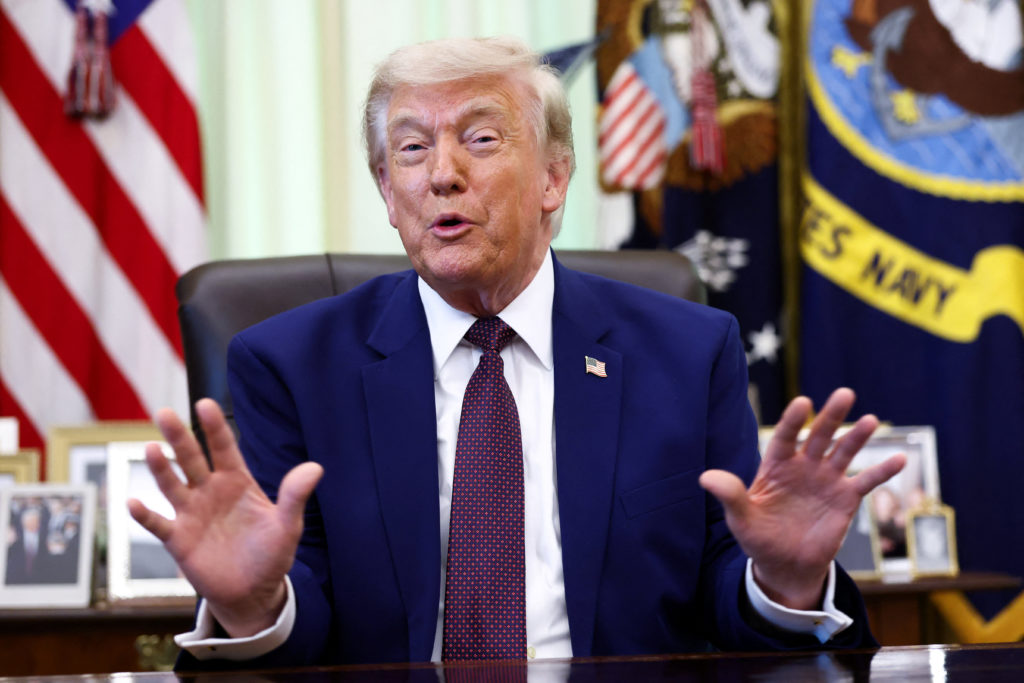
The Trump administration moved Tuesday to rebuild the tariff wall the Supreme Court dismantled less than four months ago, proposing new import duties of 10% or more on dozens of major U.S. trading partners following an investigation into goods allegedly made with forced labor.
Under the proposal from the Office of the U.S. Trade Representative, 16 economies — including Canada, Mexico, the European Union, Taiwan and the United Kingdom — would face additional 10% tariffs, while 44 trading partners, among them China, Japan, India, South Korea and Switzerland, would be hit with duties of 12.5%. The plan stems from a USTR investigation that flagged specific imports, including rice from Myanmar, tobacco from Malawi, beef from Brazil and cotton and polysilicon from China.
The legal architecture marks a deliberate shift. In February, the Supreme Court struck down the sweeping tariffs Trump had imposed under the 1977 International Emergency Economic Powers Act, ruling the president had overstepped his authority. This time, the administration is invoking Section 301 of the Trade Act of 1974, the same statute used during Trump's first-term trade fights with China — a legal foundation officials believe is far more durable in court.
"The failure of our most important trading partners to address the importation of goods made with forced labor is unacceptable," U.S. Trade Representative Jamieson Greer said in announcing the plan, which defines forced labor as work "exacted from a person under the menace of any penalty for its nonperformance." The framing allows the administration to cast the duties as a human-rights and enforcement measure rather than a simple protectionist tariff.
Beijing rejected the rationale outright. "There is no such thing as forced labor in China, and we oppose using it as an excuse to engage in political manipulation," Chinese Foreign Ministry spokesperson Mao Ning said. The proposal is likely to strain relations with close allies as well, given that countries such as Canada, the EU and Japan are also targeted, raising the prospect of retaliatory measures and fresh turmoil in global supply chains.
The tariffs are not immediate. The USTR has scheduled public hearings beginning July 7, and the duties remain subject to a review and comment period before any implementation. Economists warned that, if enacted, the across-the-board nature of the plan could raise consumer prices and rekindle inflation just as it had begun to cool, while supporters argued the measures would pressure foreign governments to crack down on coercive labor practices. For Trump, the move signals that the second-term trade agenda — briefly halted by the courts — is firmly back on track.