Trump Put a 15% Tariff and a Price Floor on Polysilicon. America Makes Less Than 2% of the World's Supply
The Section 232 proclamation sets minimum import prices of $21 a kilogram for raw polysilicon and 38 cents a watt for solar modules, and takes effect December 4.
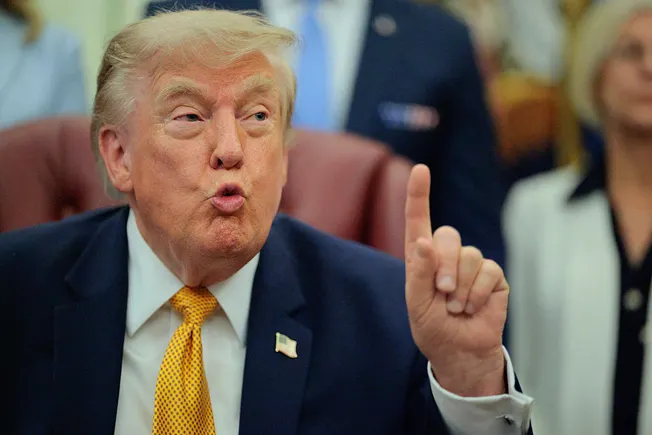
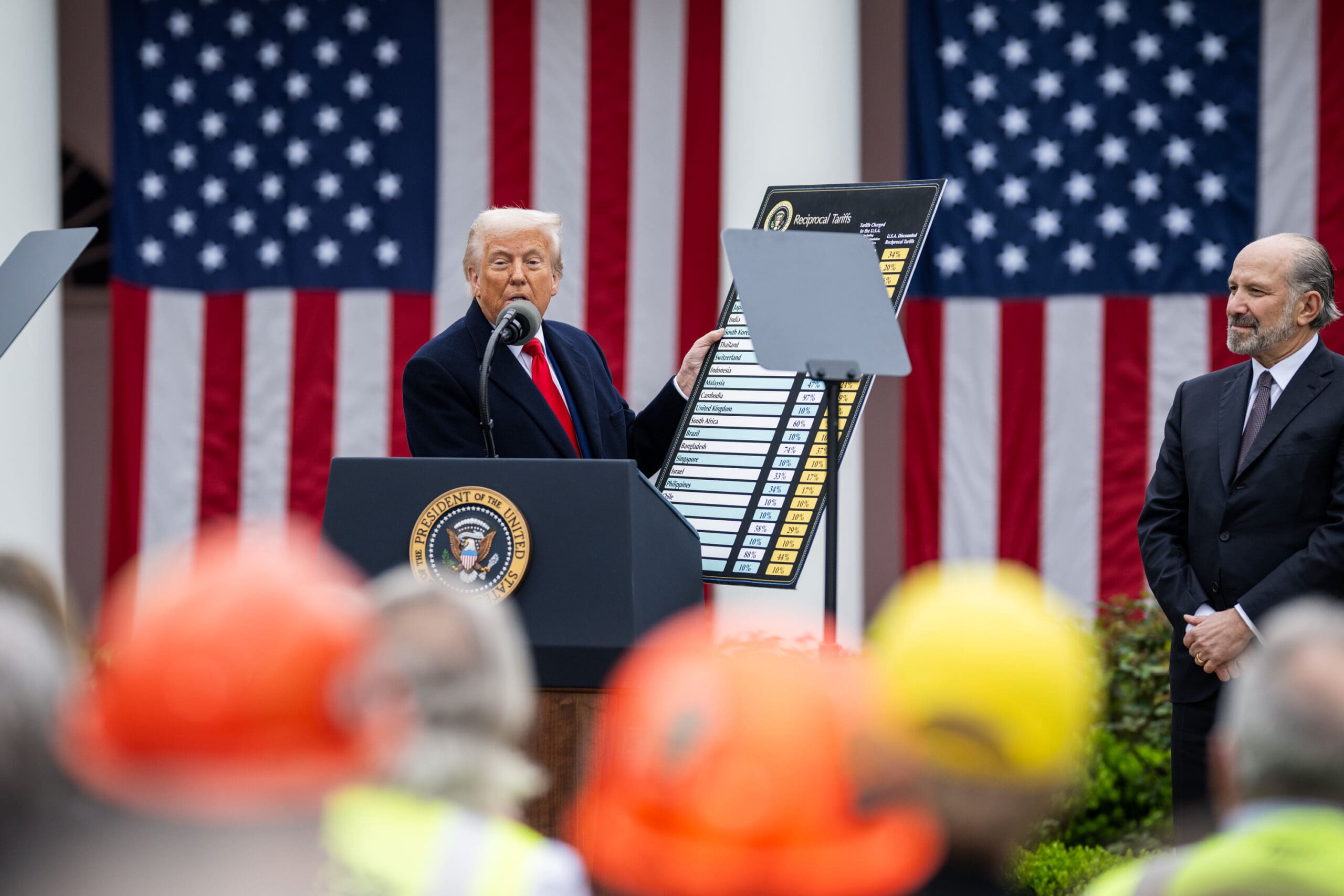
President Donald Trump signed a proclamation this week imposing a 15% tariff on imported polysilicon and its derivative products, paired with something tariffs rarely include: a floor on what importers are allowed to pay.
Polysilicon is the refined, ultra-pure silicon that gets sliced into the wafers underneath both semiconductors and solar cells. Almost nothing in modern electronics happens without it, and the United States has very nearly stopped making it. American producers accounted for roughly half of global polysilicon capacity in 2005. By 2024 the figure had fallen below 2%. The Commerce Department's Section 232 investigation concluded that the quantity and circumstances of imports now threaten national security — the statutory finding required before the president can act on trade grounds without new legislation from Congress.
The measure takes effect December 4. Alongside the 15% duty, U.S. Customs and Border Protection will enforce a minimum import price program setting price floors of $21 per kilogram for raw polysilicon, $100 per kilogram for ingots and wafers, 22 cents per watt for solar cells, and 38 cents per watt for solar modules. The mechanism is aimed squarely at a pattern the domestic industry has complained about for years: that duties alone get absorbed by producers selling below cost, so a tariff on a cheap import is still a cheap import.
Rates vary by trading partner. For Japan, South Korea, Taiwan, Switzerland, Liechtenstein and European Union member states, combined duties come to 15%. The United Kingdom faces 10%. The proclamation also builds in an escape hatch that mirrors an earlier aluminum program: companies that commit to building or expanding U.S. facilities can qualify for tariff relief, including duty-free imports of production equipment, on the theory that taxing the machines needed to onshore production defeats the purpose.
The action replaces a narrower solar tariff that lapsed in February, and follows semiconductor tariffs the administration imposed in January targeting advanced computing chips. The stated goal, in the proclamation's language, is to "help ensure the commercial viability of United States production."
The tension in the policy is that the same material feeds two industries the administration treats very differently. Chipmakers get described as strategic infrastructure. Solar developers have spent the past year absorbing rollbacks of federal support, and they now face higher input costs on panels at a moment when electricity demand from data centers is climbing steeply. Rebuilding a domestic polysilicon industry from under 2% of world capacity is a project measured in years and billions of dollars in new plants. The tariff arrives in December. The factories do not.