U.S. Tariffs at 83-Year High After Supreme Court Blocks Trump's Emergency Powers
The effective tariff rate stands at 11% — last seen in 1943 — as Section 232 steel, aluminum, and auto tariffs survive the February ruling that struck down IEEPA-based measures and eliminated $1.4 trillion in projected revenue.
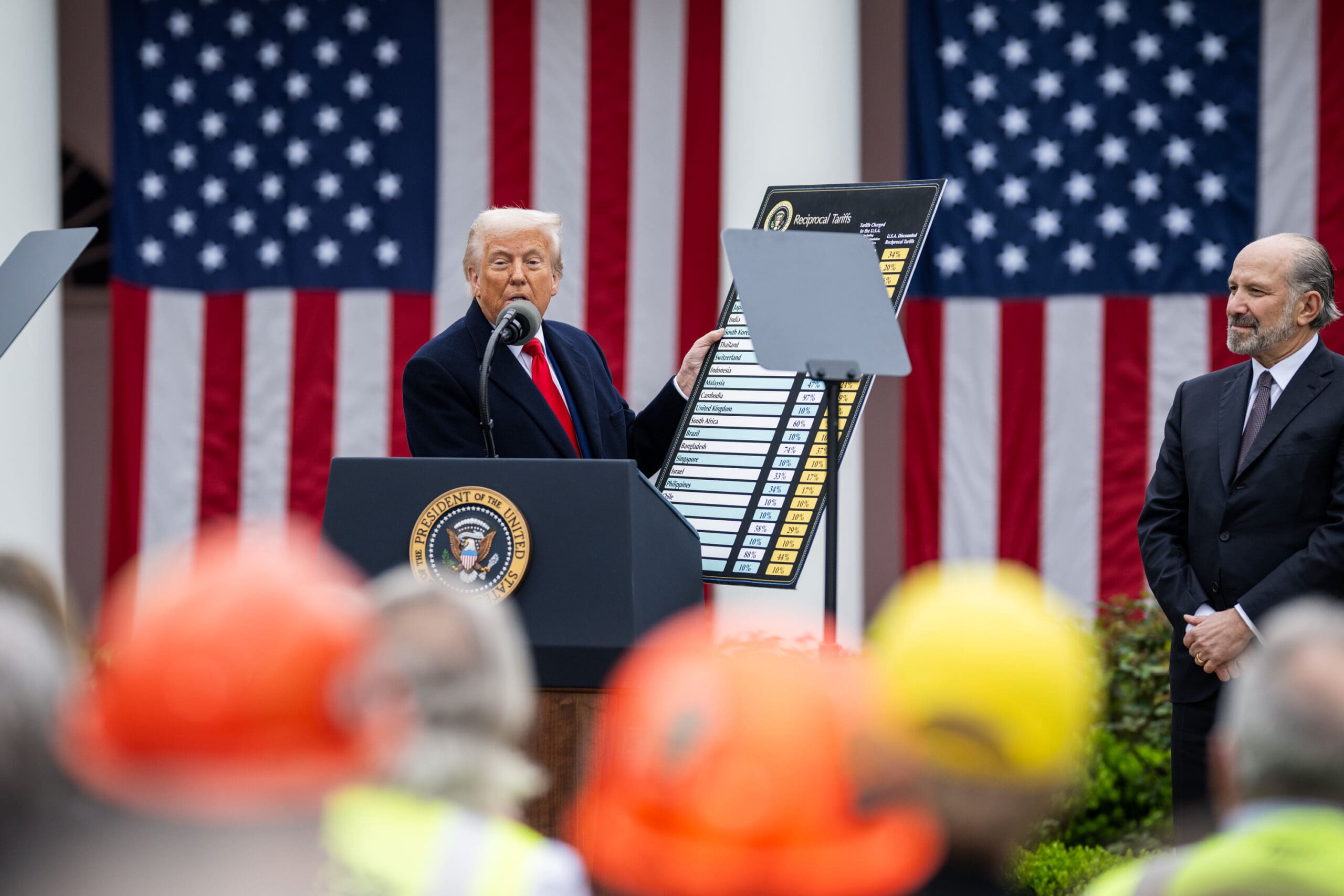
The United States is now carrying its highest effective tariff rate since 1943, a consequence of the legal battles over President Trump's emergency trade powers and the administration's determination to maintain sweeping trade barriers through alternative legal authorities following the Supreme Court's landmark February ruling. The Tax Foundation calculates the current average effective tariff rate at 11.0 percent — a figure last seen during the early years of World War II — a result of a complex layering of surviving measures that remain in force after the court struck down the administration's most aggressive emergency trade powers.
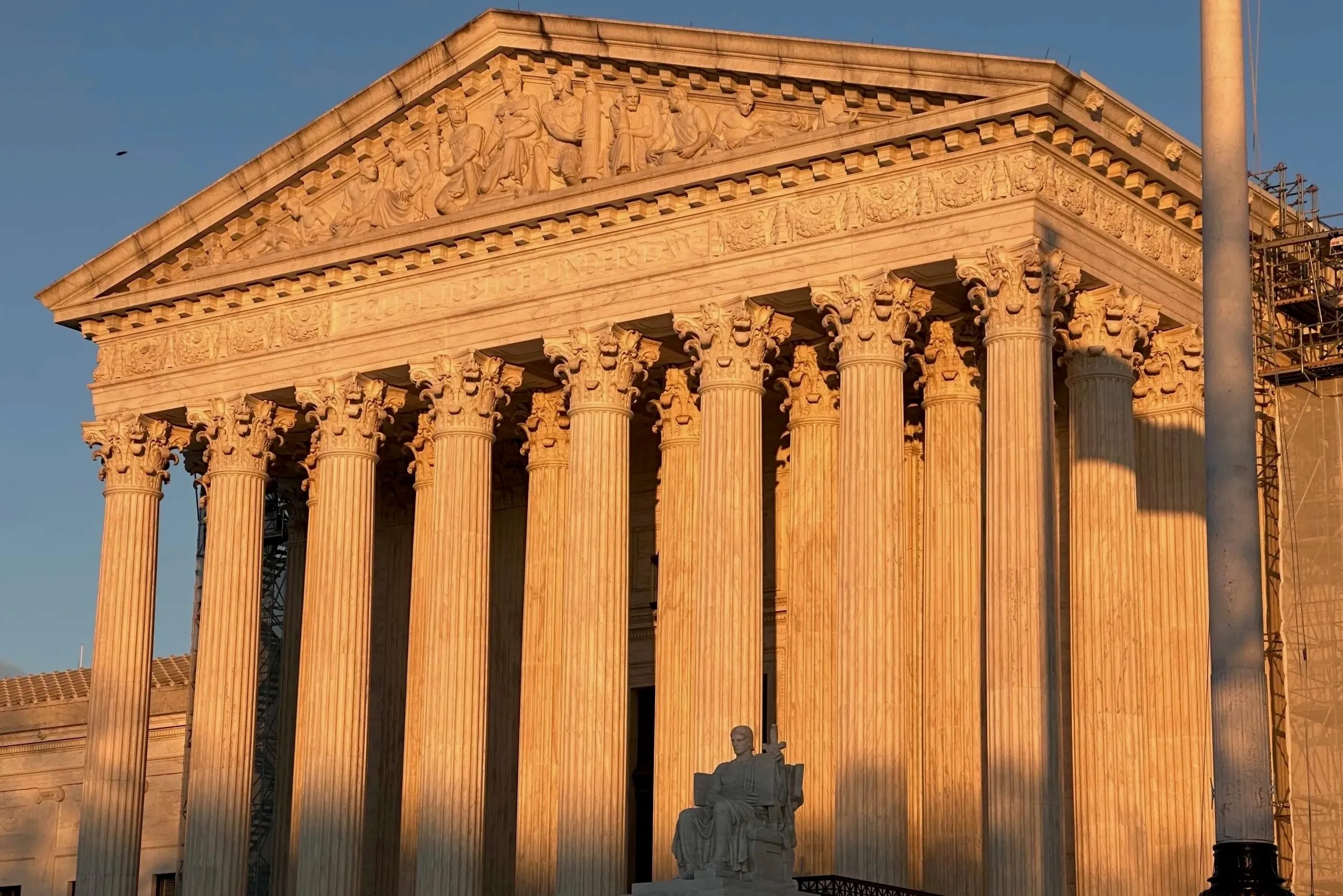
On February 20, 2026, the Supreme Court voted 6-3 to invalidate the tariffs Trump had imposed under the International Emergency Economic Powers Act, known as IEEPA. Chief Justice John Roberts, writing for the majority, held that IEEPA does not authorize the president to impose tariffs and that interpreting the word "regulate" in the statute to include the power to levy taxes would effectively grant the executive branch a taxing authority the Constitution specifically reserves to Congress. The decision was a landmark legal rebuke that invalidated more than $160 billion in tariff revenues collected since the IEEPA-based measures took effect and would have eliminated an estimated $1.4 trillion in projected revenue over the next decade. Trump, on Truth Social, called the ruling a "disgrace" and described the majority justices as "very unpatriotic and disloyal to the Constitution."
But the end of IEEPA tariffs did not mean the end of the trade war. Hours after the Supreme Court's ruling, Trump invoked Section 232 of the Trade Expansion Act of 1962 — which allows tariffs on imports that threaten national security — and the rarely used Section 122, which permits temporary tariffs during balance-of-payments emergencies. Section 232 tariffs remain in force: steel and aluminum face duties of 50 percent, automobiles 25 percent, copper 50 percent, and lumber 10 percent. These measures are projected to generate $634.9 billion in revenue between 2026 and 2035. A 10 percent baseline tariff on roughly $1.2 trillion in annual imports, imposed under Section 122, remains in place but expires in June 2026. USMCA-compliant goods from Canada and Mexico remain exempt, and auto import exemptions were extended indefinitely in April.
The economic costs have been substantial and largely borne by American households. The Tax Foundation estimates the remaining Section 232 measures alone eliminate approximately 154,000 full-time equivalent jobs in the long run, primarily by raising production costs for downstream industries that rely on imported steel, aluminum, and copper. American households paid an average of $1,000 more in 2025 due to all tariff measures, with projected costs of $400 to $600 per household in 2026 under the surviving tariffs. The administration's central economic argument — that tariffs would shrink the trade deficit — has not materialized: the US goods trade deficit actually increased by $25.5 billion year-over-year in 2025.
Global trading partners have largely moved on. Six rounds of US-China trade talks in Paris have produced no substantive breakthrough, though a truce removing most bilateral tariffs, reached in Geneva in May 2025, remains nominally in force. Other nations, meanwhile, have been accelerating their own agreements with each other, cutting tariffs among themselves and redrawing the map of global commerce without Washington's participation. "We see it almost every day now, where new negotiations or new agreements are being reached without the United States," Ted Murphy, a partner at law firm Sidley Austin, told Marketplace. After decades in which Washington wrote the rules of international trade, America's partners appear increasingly ready to write the rulebook themselves.