The Government Has Handed Back $100 Billion in Tariffs. Apple Got $2.2 Billion of It
A court filing shows the Treasury has refunded about 60% of the duties the Supreme Court struck down in February — almost all of it to corporate importers, not households.
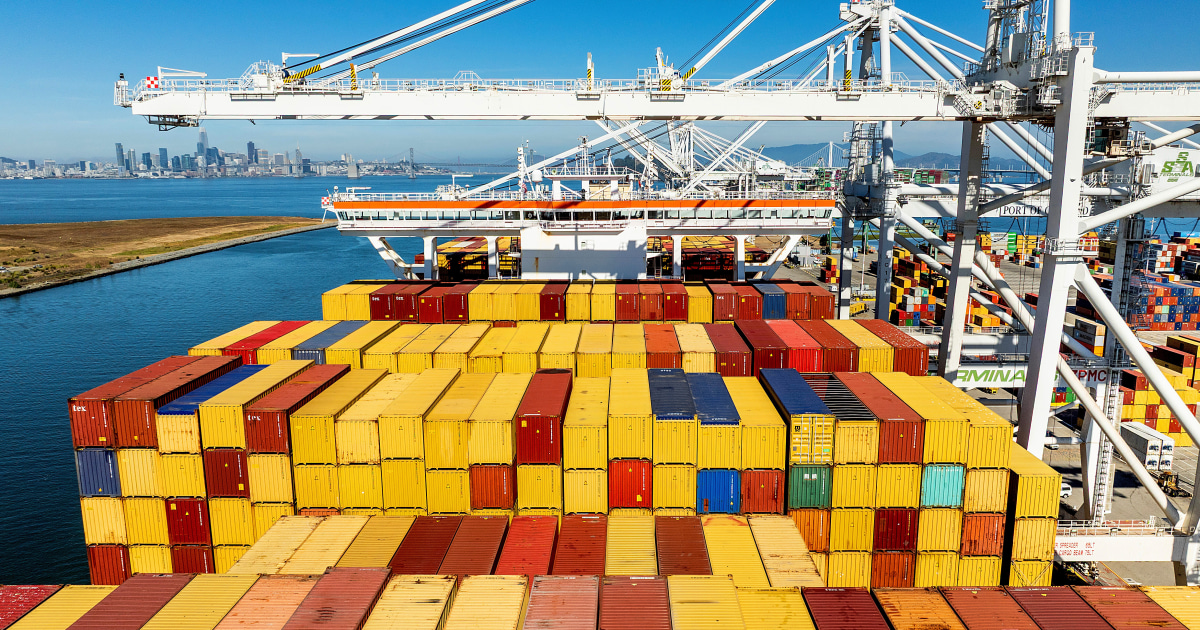
The Trump administration has now refunded roughly $100 billion in tariffs it collected before the Supreme Court struck those duties down, according to a filing this week in the U.S. Court of International Trade. That is about 60% of the $166 billion the government took in under the tariffs the court invalidated, and an additional $29 billion in refund requests has been accepted for processing and is awaiting action.
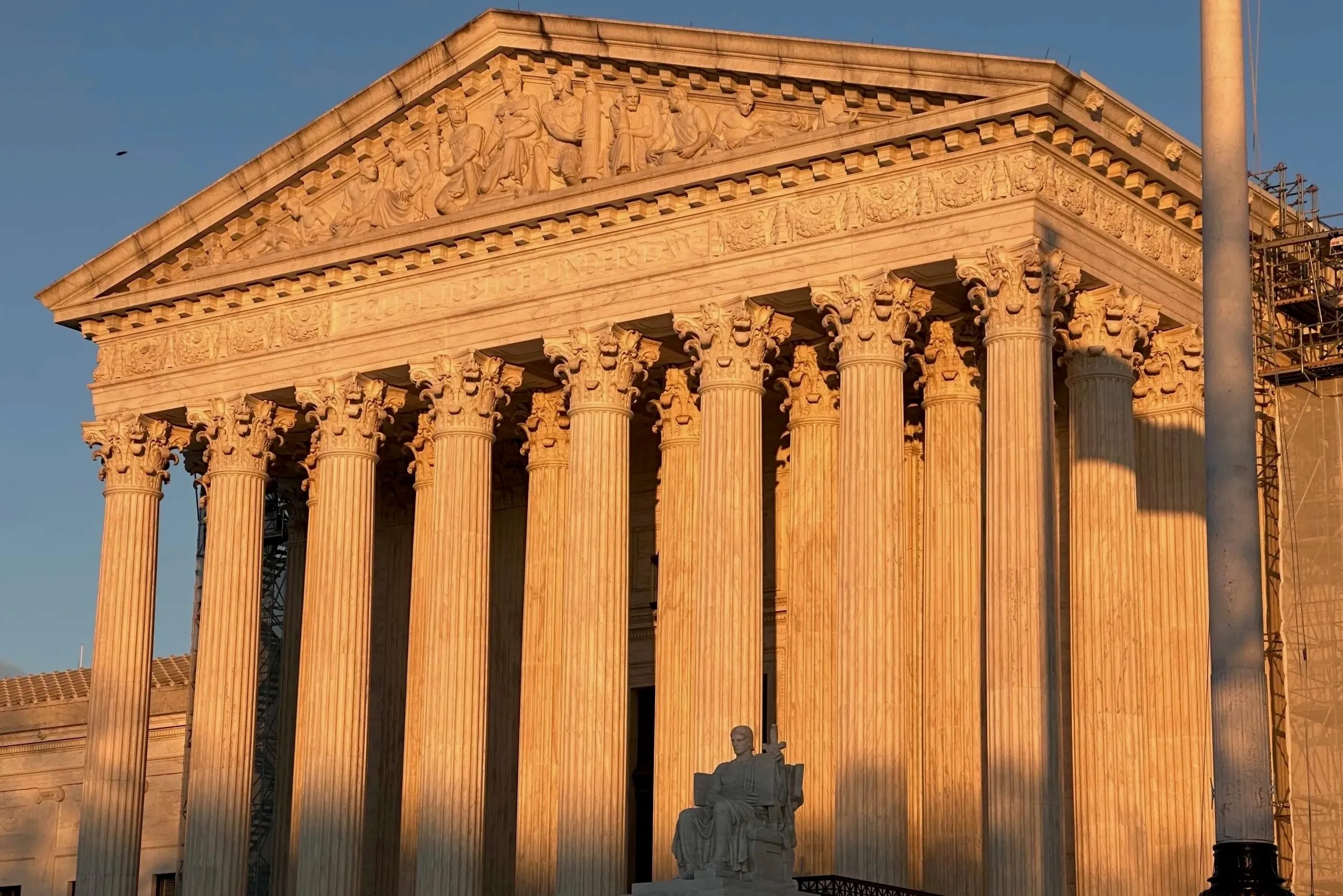
The refunds trace back to Feb. 20, when the Supreme Court ruled in Learning Resources Inc. v. Trump that the International Emergency Economic Powers Act does not authorize a president to impose tariffs unilaterally on goods from trading partners. IEEPA had been the legal foundation for the sweeping "liberation day" duties, and the decision left the government holding tens of billions of dollars it had no authority to keep.
The money is flowing to the entities that actually paid it at the border: importers. Apple is receiving about $2.2 billion, Ford roughly $1.3 billion and Amazon around $600 million. That distribution has drawn the central criticism of the refund process — the duties were largely passed through to consumers in higher prices, but the refunds go to corporate importers of record, with no mechanism to route any of it back to the households that absorbed the cost. There is no consumer claims process, because consumers were never the party of record on a customs entry.
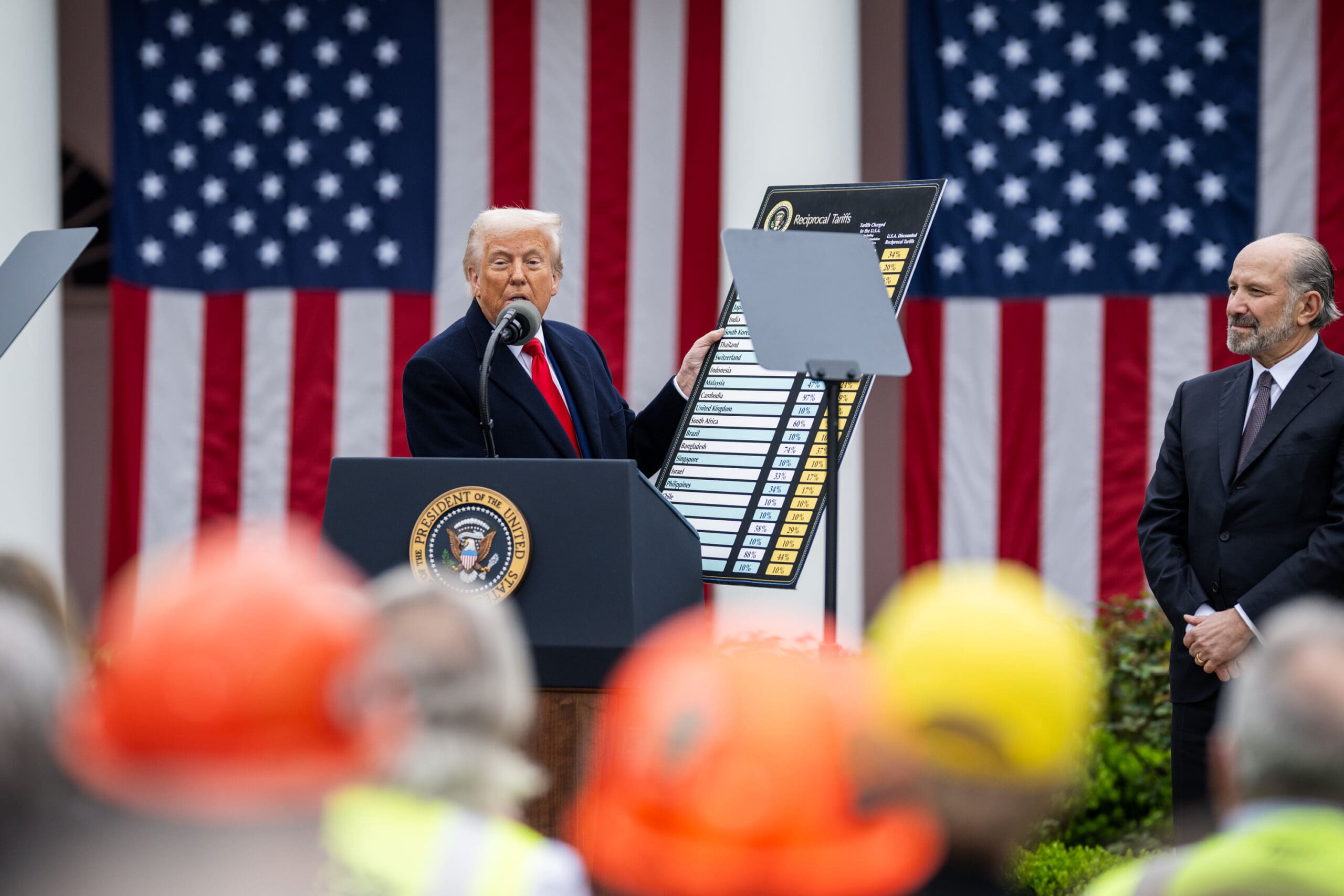
Trump's response to losing the case was not to retreat from tariffs but to relocate their legal basis. He called the justices "disloyal" after the February ruling and moved to new authorities, issuing temporary 10% duties and then, in late July, imposing tariffs under Section 301 of the Trade Act of 1974 targeting some 60 trading partners including the European Union, Canada, Japan and South Korea. Section 301 was designed for retaliation against specific unfair trade practices and had not previously been used to build a broad, across-the-board tariff wall — the same structural objection that sank the IEEPA program.
For importers, that means the refund checks arriving now are not the end of their tariff exposure. Companies are being made whole on duties paid in 2025 while simultaneously paying new duties in 2026 under a different statute, on much of the same merchandise. Trade lawyers expect the Section 301 program to draw its own litigation, which would put the same basic question — how much tariff authority Congress actually delegated to the president — back in front of the courts on a fresh record.
The filing was made in the Court of International Trade, the specialized federal court in Manhattan that handles customs and trade disputes and that produced the first ruling against the IEEPA tariffs before the Supreme Court affirmed the outcome. It is now the venue managing the mechanics of unwinding the largest tariff refund in U.S. history.