Businesses Can Begin Claiming Tariff Refunds Monday After Supreme Court Struck Down Trump's IEEPA Levies
A federal refund portal opens April 20 following the Supreme Court's 6-3 ruling that the emergency tariffs were unconstitutional — and businesses that paid billions in duties want their money back.
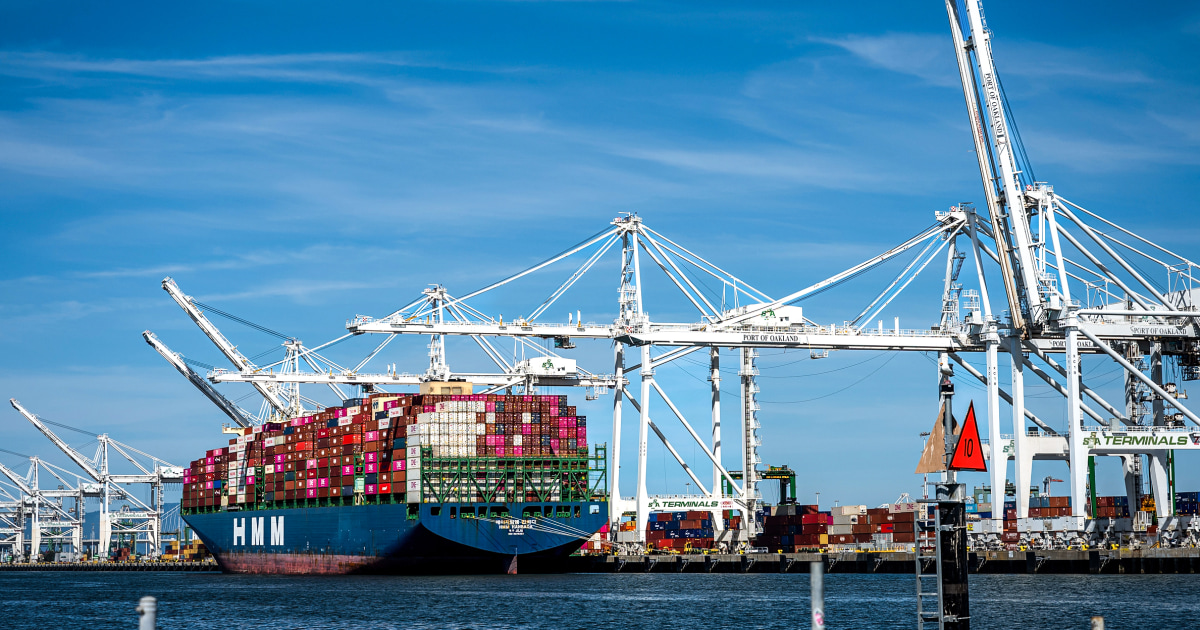
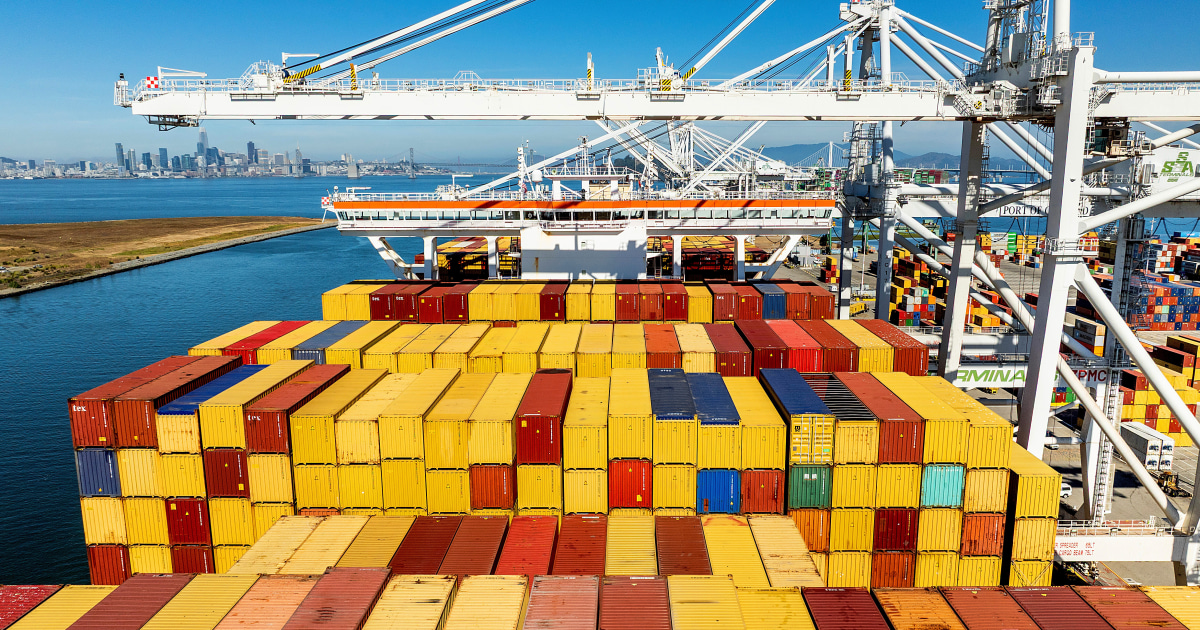
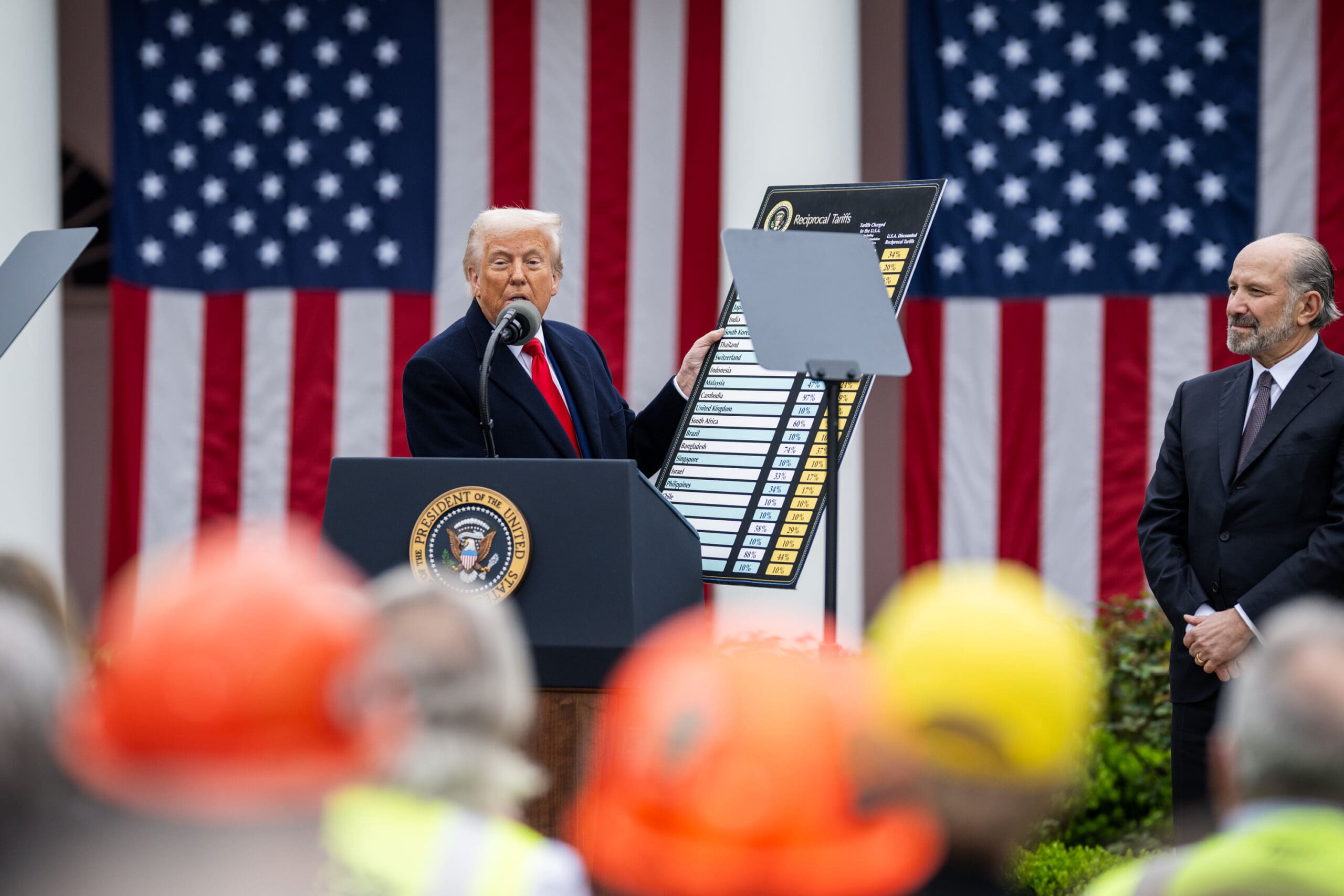
Starting Monday, April 20, American businesses that paid tariffs under President Trump's emergency trade orders can begin filing for refunds through a new federal portal, following the Supreme Court's landmark February ruling that those levies were unconstitutional. Economists and trade attorneys say the refund window could affect billions of dollars in duties already collected.
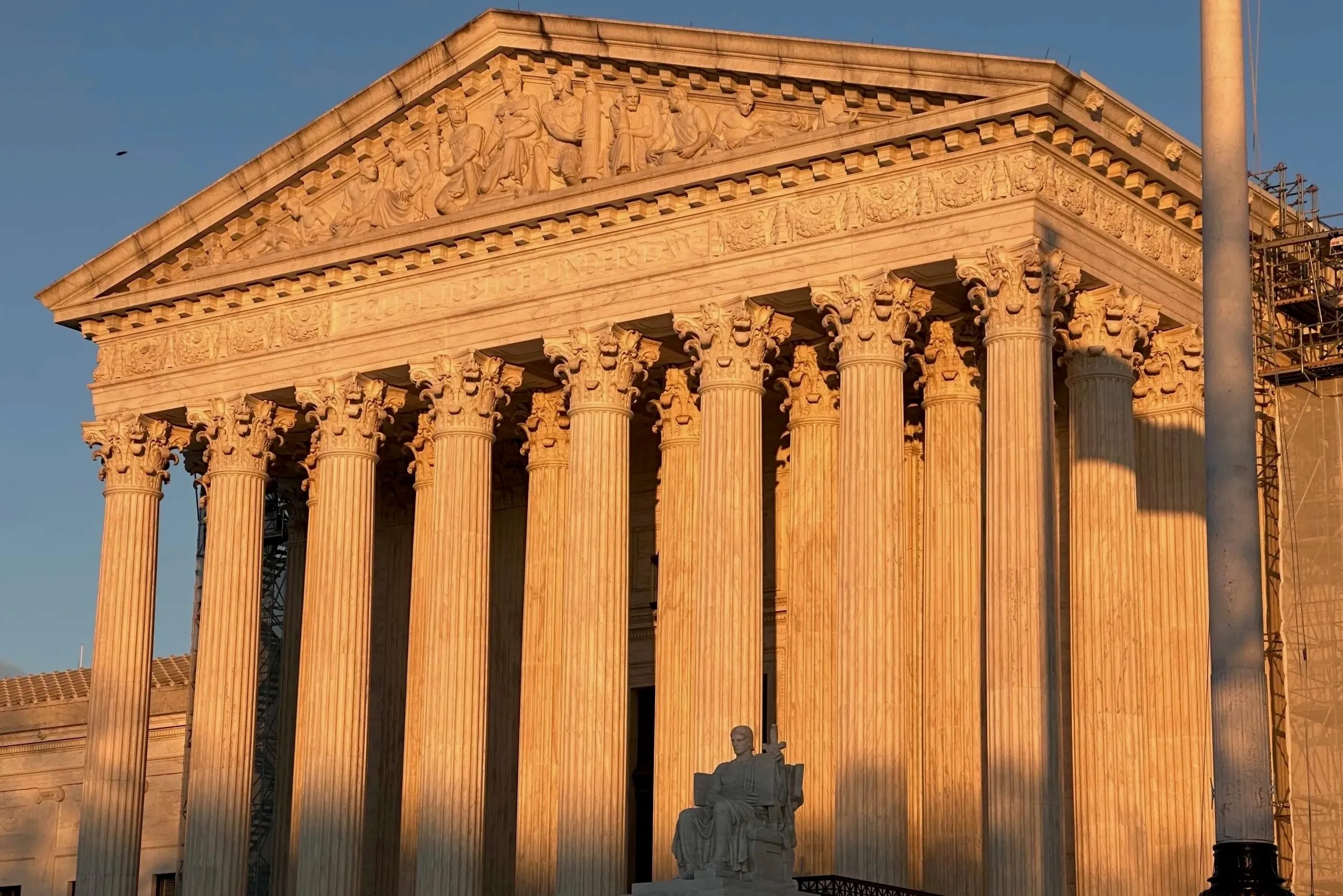
The legal foundation for the refund program is the Supreme Court's February 20 ruling in Learning Resources, Inc. v. Trump, in which a 6-3 majority struck down the sweeping tariffs Trump had imposed under the International Emergency Economic Powers Act of 1977. Chief Justice John Roberts, writing for the majority, held that IEEPA — a law designed to give presidents emergency authority over financial transactions with adversarial nations — does not grant the executive branch the power to set tariffs, which the Constitution explicitly assigns to Congress. Justices Sonia Sotomayor, Elena Kagan, Neil Gorsuch, Amy Coney Barrett, and Ketanji Brown Jackson joined the ruling.
The decision set off an immediate downstream legal process. The US Court of International Trade issued orders confirming that businesses subject to the nullified IEEPA tariffs were entitled to refunds of duties already paid. US Customs and Border Protection worked for nearly two months to build the refund portal, which officials described to industry groups in briefings last week as one of the most complex systems the agency has launched. One trade attorney who attended a preview session called it potentially "America's hottest website" when it goes live Monday morning. Another attorney who represents major importers told NBC News her clients had been preparing documentation for weeks and would file within the first 24 hours.
Legal analysts are watching closely to determine which tariffs fall inside the ruling's scope. The court specifically addressed levies imposed under IEEPA's emergency declaration authority. Tariffs authorized under Section 232 of the Trade Expansion Act — which Trump has continued to apply to steel, aluminum, and copper imports via new proclamations — were not addressed in the ruling and remain in effect. Justice Brett Kavanaugh, who dissented, argued that other federal statutes provide the president ample authority to impose tariffs, a position likely to fuel further litigation as the administration tests the boundaries of the ruling.
The White House has signaled it does not intend to cooperate enthusiastically with the refund process. A senior administration official said the government would comply with the court order "to the letter" but declined to specify a timeline for processing individual claims. Trade associations representing importers in consumer electronics, toys, and apparel — among the hardest-hit sectors — have urged their members to file documentation quickly. They said they expect the first wave of refunds to take at least 60 days to process, but noted that for companies that paid millions in duties, even partial restitution could meaningfully improve cash positions strained by two years of elevated import costs. The ruling is widely considered the most significant constraint placed on presidential trade authority in decades, re-establishing that tariff-setting requires explicit statutory authority rather than a presidential emergency declaration.