Supreme Court Tariff Ruling Triggers $166 Billion Corporate Windfall as Consumers Left Out
Following court decision striking down Trump-era tariffs, companies apply for massive refunds but remain silent on whether savings will reach families who paid the higher costs.

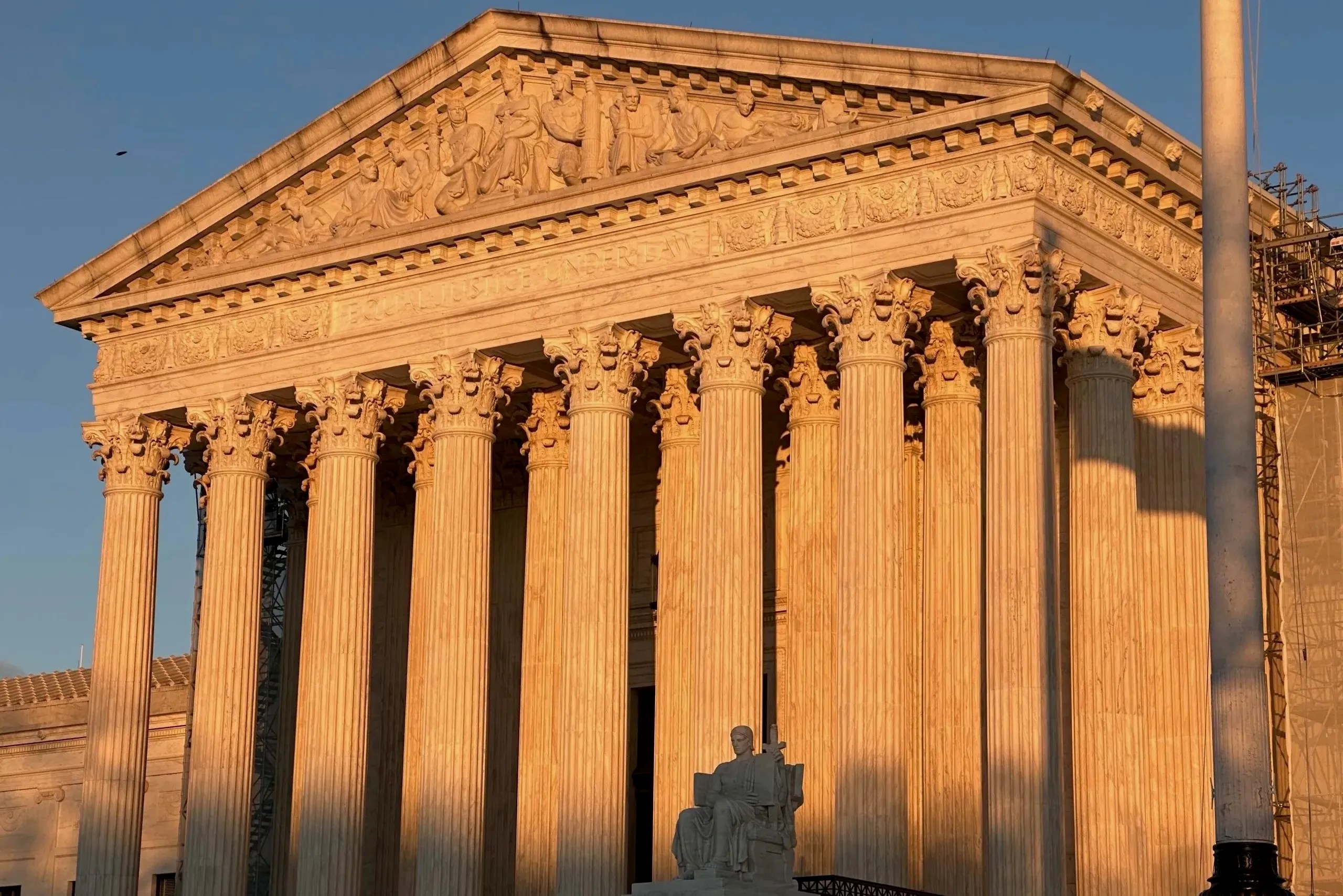
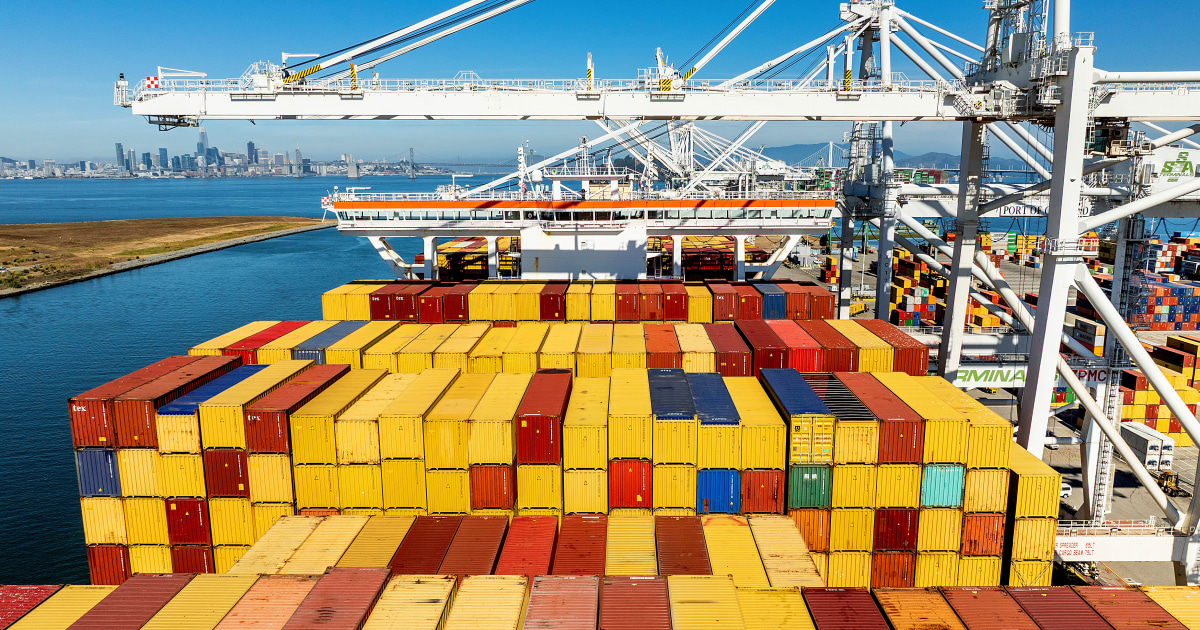
A landmark Supreme Court ruling that declared several Trump administration tariffs unconstitutional has set in motion a massive $166 billion refund process, but the windfall appears destined primarily for corporate coffers rather than the American families who ultimately bore the cost of the now-illegal trade policies. Companies across numerous industries have begun filing applications to recover tariff payments made over multiple years, while providing little indication they plan to pass savings back to consumers who experienced higher prices during the tariff period.
The refund process represents one of the largest reversals of trade policy in modern American history, stemming from a Supreme Court decision that found key elements of the previous administration's tariff structure violated constitutional principles governing interstate and international commerce. Legal experts describe the ruling as a significant constraint on executive branch trade powers, establishing new precedents for how future administrations can implement trade restrictions. The court's decision specifically targeted tariffs that were imposed without sufficient congressional oversight or clear legal authority.
Economic policy reporter Tony Romm explains that while importers are aggressively pursuing their share of the refund pool, consumers who paid higher prices for affected goods during the tariff period have no direct mechanism to recover those costs. The tariffs, which were initially presented as costs that would be borne by foreign exporters, were in practice passed through to American consumers in the form of higher retail prices. This created a situation where families paid more for everyday goods while companies collected the tariff payments that are now being refunded.
Industry representatives have been notably quiet about their plans for the incoming refund money, with most companies declining to specify whether any portion will be used to reduce current prices or provide direct rebates to consumers. Corporate accounting practices typically treat such refunds as general revenue, meaning the funds are likely to be distributed to shareholders or used for other business purposes rather than being returned to the customers who effectively paid the original costs. Consumer advocacy groups have called for greater transparency about how companies plan to handle the refunds.
The situation highlights a fundamental disconnect in how trade policy costs are distributed versus how benefits are recovered when those policies are reversed. While the tariff burden was broadly shared among consumers through higher prices, the refund benefits are concentrated among the specific companies that paid the tariffs directly to the government. This dynamic has prompted calls from some lawmakers for legislation that would require companies receiving large tariff refunds to demonstrate how they plan to share those benefits with the consumers who ultimately funded them.