Trump Considers Attending Supreme Court Arguments on Tariff Case in Presidential First
The president previously mused about making an unprecedented visit to the nation's highest court but ultimately stayed away from oral arguments.

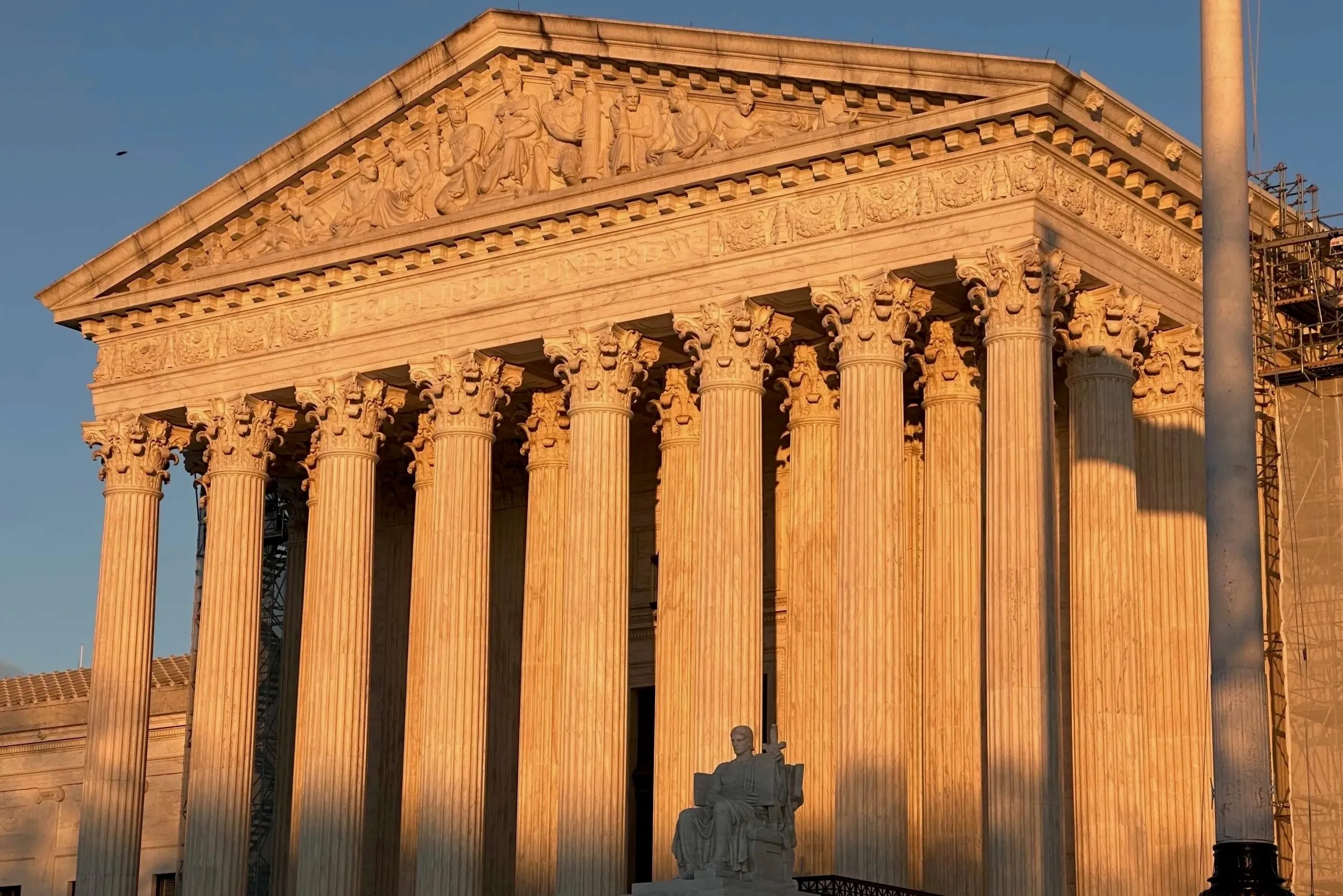
President Trump considered making an unprecedented presidential visit to the Supreme Court during oral arguments over his sweeping tariff policies, a move that would have marked the first time in American history that a sitting president attended such proceedings. The extraordinary consideration underscores the high stakes surrounding the case challenging the administration's broad trade policies that have reshaped international commerce. The president ultimately decided against making the appearance, according to sources familiar with the matter.
The Supreme Court case centers on Trump's extensive tariff regime, which has imposed significant duties on imports from various countries and sparked intense legal challenges from affected industries and trading partners. The tariffs have become a cornerstone of Trump's economic policy, generating billions in revenue while drawing criticism from free trade advocates who argue they constitute an overreach of executive authority. Legal experts have described the case as one of the most significant trade-related challenges to reach the high court in decades.
Presidential attendance at Supreme Court oral arguments would have shattered longstanding norms governing the separation of powers between the executive and judicial branches. The consideration alone has raised eyebrows among constitutional scholars, who note that such a visit could be perceived as an attempt to influence the justices' deliberations. The informal protocols governing interactions between the branches of government have evolved over centuries to maintain the independence of the judiciary.
The president's interest in attending reflects the administration's view that the tariff case represents a fundamental test of executive authority in trade matters. Trump has consistently argued that presidents possess broad constitutional powers to regulate international commerce in the national interest, particularly when national security concerns are involved. The administration has framed the tariffs as essential tools for protecting American workers and reducing trade deficits with key partners.
While Trump ultimately chose not to attend, the mere consideration has highlighted the unconventional nature of his presidency and willingness to challenge traditional boundaries between government branches. Legal observers continue to monitor the case closely, as the Supreme Court's eventual ruling could have far-reaching implications for future presidential authority over trade policy. The court is expected to issue its decision in the coming months, potentially reshaping the landscape of American trade law.