Supreme Court Strikes Down Trump Tariffs in Landmark 6-3 Ruling
The Court ruled the president lacked authority under IEEPA to impose sweeping import levies, sending markets surging and forcing the White House to scramble for alternative legal strategies.

The Supreme Court dealt President Trump a sweeping legal defeat Thursday, ruling 6-3 that his sweeping tariffs on Canada, Mexico, China, and dozens of other nations exceeded his authority under the International Emergency Economic Powers Act. The ruling in Learning Resources, Inc. v. Trump, authored by Chief Justice John Roberts, sent shockwaves through global financial markets and marked the most significant judicial check on presidential trade power in decades.
Roberts, writing for a majority that included Justices Sotomayor, Kagan, Jackson, Gorsuch, and Barrett, held that IEEPA "contains no reference to tariffs or duties" and that "until now no President has read IEEPA to confer such power." Applying the so-called major questions doctrine — which requires Congress to speak clearly when granting the executive extraordinary authority — the Court concluded that Trump's use of emergency powers to impose broad import levies had no valid statutory basis.
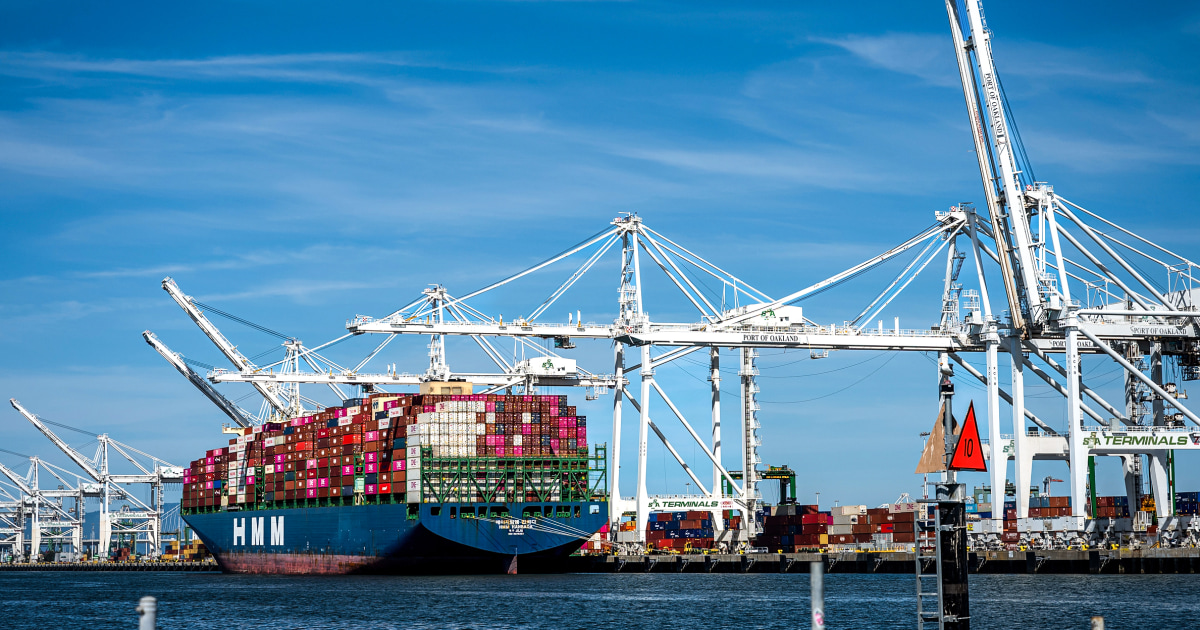
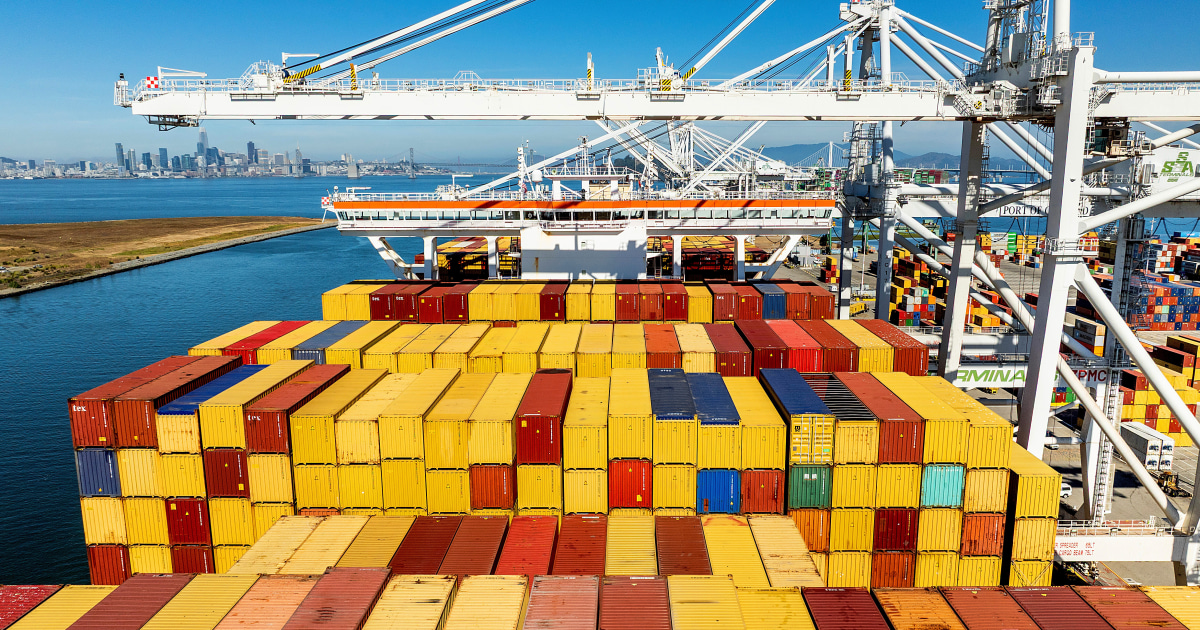
The decision struck down levies on Canada, Mexico, and China justified by the declared drug-trafficking emergency, as well as broader global tariffs the White House justified on the grounds of trade deficits. Approximately $200 billion in tariffs had already been collected from importers during 2025. The Court declined to rule on potential refunds for the businesses and consumers who absorbed those costs, leaving that question for future litigation.
Markets reacted sharply. The S&P 500 surged nearly 3 percent in after-hours trading as traders priced in the removal of a major drag on corporate profit margins. Supply chain executives across industries — from automotive to electronics to agriculture — said they were scrambling to review contracts restructured in anticipation of indefinite tariff burdens. The U.S. Chamber of Commerce called the ruling "a decisive victory for the rule of law and for American businesses and workers."
The dissent, written by Justice Kavanaugh and joined by Justices Thomas and Alito, argued that IEEPA's broad grant of authority to the president during national emergencies had historically been interpreted expansively and that tariffs fell within that scope. Kavanaugh warned the ruling would "handcuff the President's ability to respond to rapidly evolving economic threats" and urged deference to the executive on matters of foreign commerce.
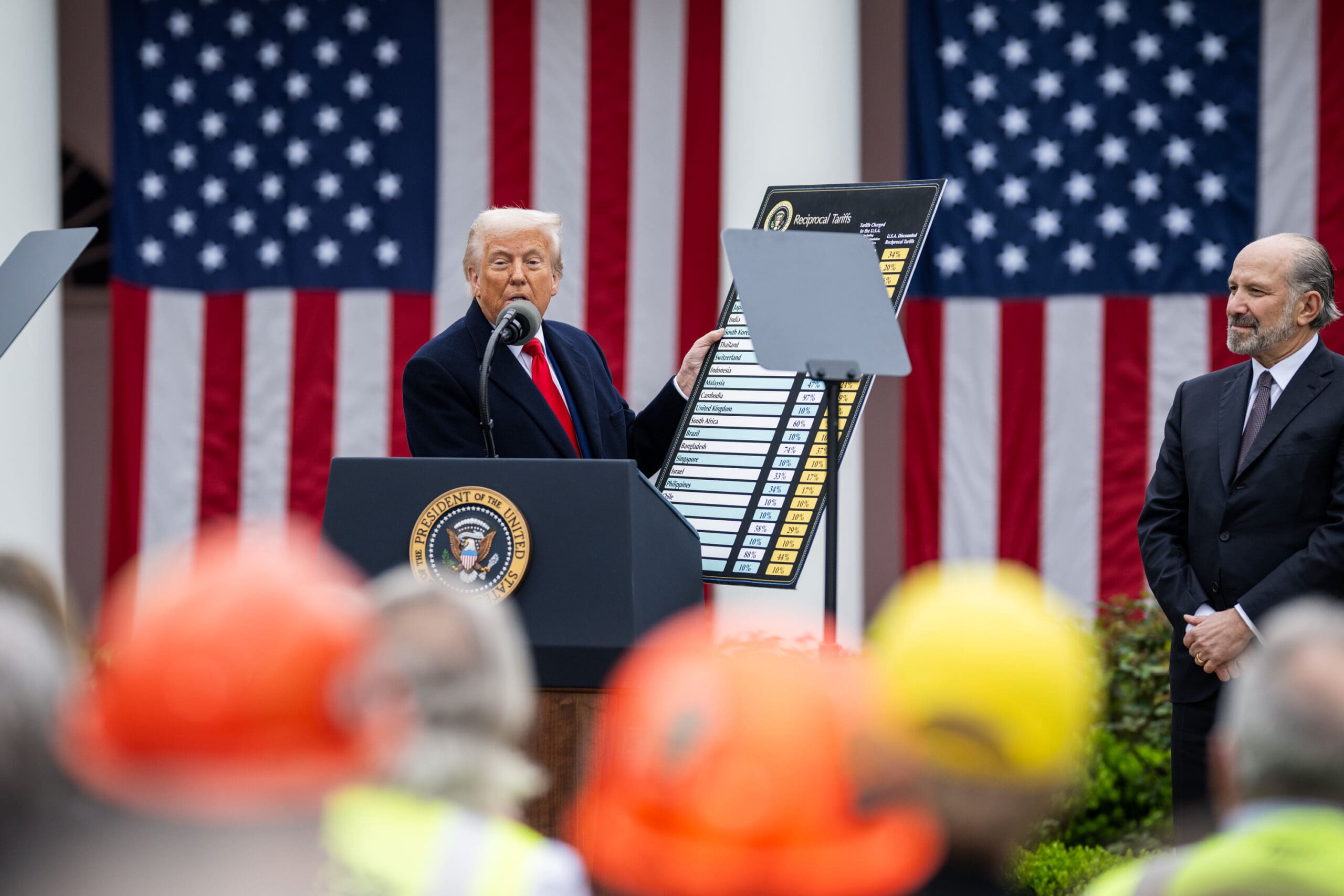
Trump responded defiantly within hours of the decision. Speaking from the Oval Office, the president announced he would impose a new 10 percent baseline tariff on all imports using authority under Section 122 of the Trade Act of 1974, a provision the White House believes is less vulnerable to legal challenge. U.S. Trade Representative Jamieson Greer also launched multiple Section 301 investigations targeting trading partners accused of unfair practices, a pathway that could restore significant tariff levels within months through a different legal mechanism.
The ruling nonetheless represents a fundamental realignment in the separation of powers over trade policy. Constitutional scholars said it would force future administrations to rely on specific congressional authorizations — a path that has historically proven difficult given the complexity of trade legislation. Section 232 national security tariffs on steel and aluminum, which were not challenged in this case, remain in effect at 41.1 percent. The overall average effective tariff rate is expected to fall from approximately 18 percent to 10.3 percent in the near term as importers apply for relief.
For ordinary Americans, the near-term effects are likely to include modest reductions in consumer prices on electronics, clothing, and appliances that had risen in response to tariffs. However, economists cautioned that the price impact would be gradual, as retailers tend to adjust slowly even when input costs fall. The longer-term trajectory of U.S. trade policy remains deeply uncertain as the administration pursues alternative legal avenues to reimpose tariffs it views as central to its economic and geopolitical strategy.