Supreme Court Strikes Down Trump's IEEPA Tariffs 6-3, Ruling They Exceeded Presidential Authority
Chief Justice Roberts wrote that the power to impose tariffs belongs to Congress, not the executive, leaving the administration scrambling for alternative legal authorities.
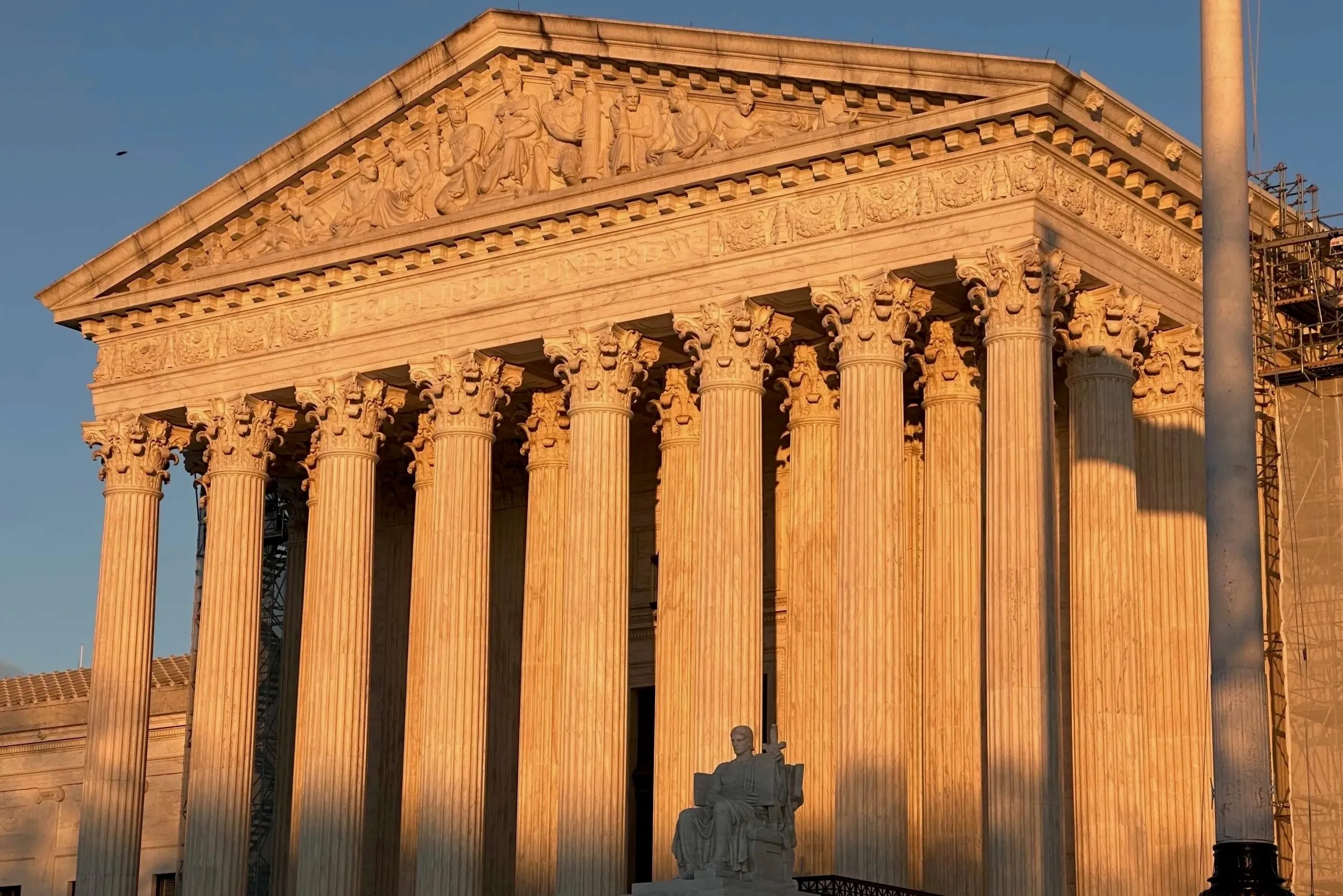
The Supreme Court delivered a landmark blow to executive trade power in February, ruling 6-3 that President Trump's sweeping tariffs imposed under the International Emergency Economic Powers Act were unconstitutional overreach — a decision that has since reshaped the global trade landscape and forced the administration to scramble for alternative legal authorities. In Learning Resources, Inc. v. Trump, Chief Justice John Roberts authored a majority opinion joined by three liberal justices and two conservatives, Neil Gorsuch and Amy Coney Barrett, finding that IEEPA "contains no reference to tariffs or duties" and that "until now no President has read IEEPA to confer such power."
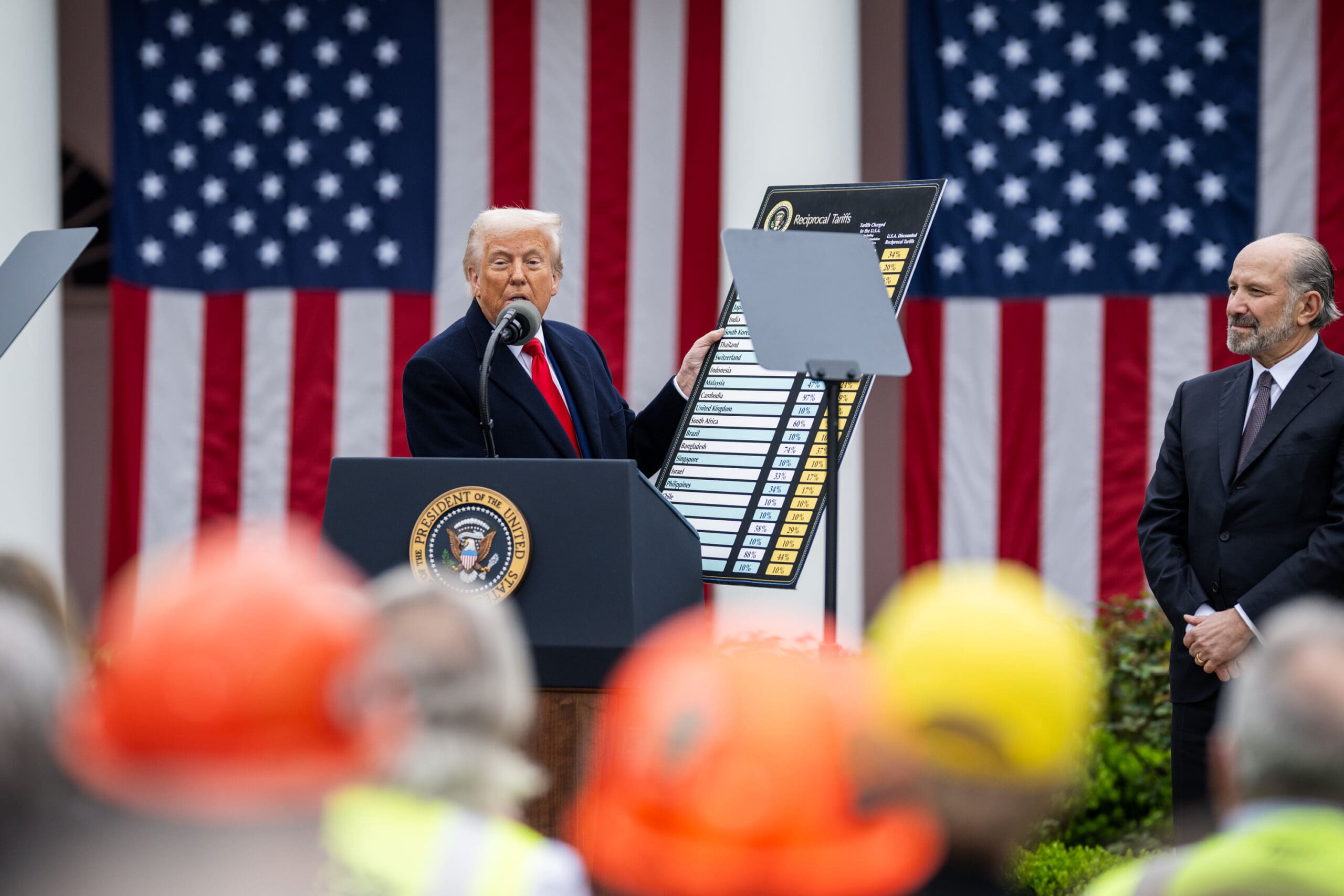
The February 20 decision struck down two major categories of Trump's tariff regime: the "reciprocal tariffs" that had imposed an initial 10% tax on imports from most countries with higher rates — up to 34% on Chinese goods — on dozens of specific trading partners, and the so-called "trafficking tariffs" targeting China, Canada, and Mexico on grounds of combating fentanyl trafficking. Tariffs imposed under Section 232 of the Trade Expansion Act of 1962, covering steel and aluminum, were explicitly not addressed by the ruling and remain in effect. Roberts wrote that the power to impose tariffs is "a branch of the taxing power reserved for Congress" and that IEEPA's grant of authority to "regulate importation" cannot be read to encompass unilateral tariff imposition.
Justices Clarence Thomas, Brett Kavanaugh, and Samuel Alito dissented, with Kavanaugh raising practical concerns about the ruling's implications for the $200 billion or more in tariffs already collected. The government, Kavanaugh warned in dissent, "may be required to refund billions of dollars" to companies that paid tariffs during the period they were in effect. Business groups immediately called for the Treasury Department to establish an automatic refund process, while legal experts predicted years of litigation over who was entitled to refunds and on what timeline.
Trump reacted with characteristic fury to the decision, calling it "a disgrace" and accusing the justices in the majority of being "very unpatriotic and disloyal to the Constitution" and suggesting they were influenced by foreign interests. Within days of the ruling, the administration announced it would impose a 10% global tariff using authority under Section 122 of the Trade Act of 1974, a narrower legal provision that allows temporary tariffs of up to 150 days when the US faces a significant balance of payments deficit. Critics argued the administration was once again pushing the limits of its statutory authority, and fresh legal challenges were filed almost immediately.
The economic impact of the court's ruling has been significant and complicated. The decision — coming at almost the exact moment the Iran war began reshaping energy markets — removed the largest layer of Trump's trade barriers but left a residual tariff structure in place through the Section 232 and Section 122 authorities. The Tax Foundation calculated that the tariffs that survived the ruling still represent the largest US trade tax increase as a percentage of GDP since 1993, and Goldman Sachs estimated that American consumers and businesses collectively continued to bear the vast majority of the remaining tariff burden. With the Iran conflict adding an energy price shock on top of the still-elevated tariff baseline, Federal Reserve officials have privately described the policy environment as among the most challenging for monetary policy in decades.