
Markets
Companies Begin Receiving Tariff Refunds After Supreme Court Ruling
The first wave of refunds are flowing to businesses after the Supreme Court ruled some of President Trump's tariffs unconstitutional.
Topic
14 stories from Planck Standard. Latest: May 13, 2026.
The first wave of refunds are flowing to businesses after the Supreme Court ruled some of President Trump's tariffs unconstitutional.
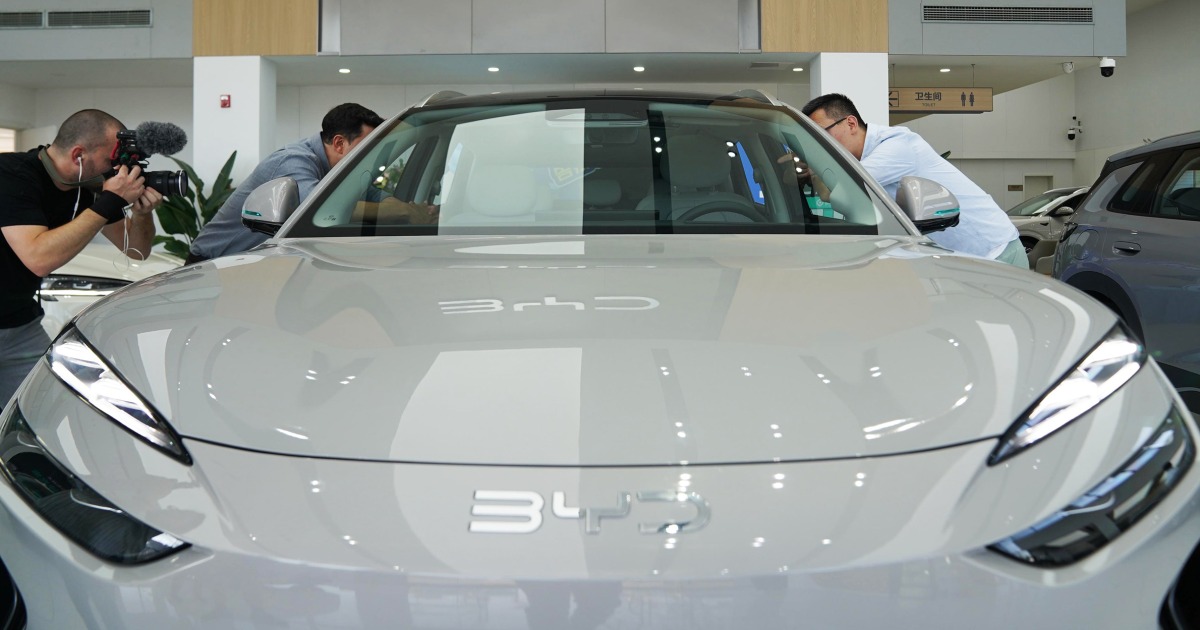
China dominates global EV production and adoption while facing barriers in the American market, highlighting growing technological and trade tensions.

The cost to put food in cans remains high because manufacturers must still import steel from overseas. U.S. Steel plans to reopen a tin-plate factory to address the shortage.

President has repeatedly modified tariff structure after court rulings declared some measures illegal, with additional updates still planned.
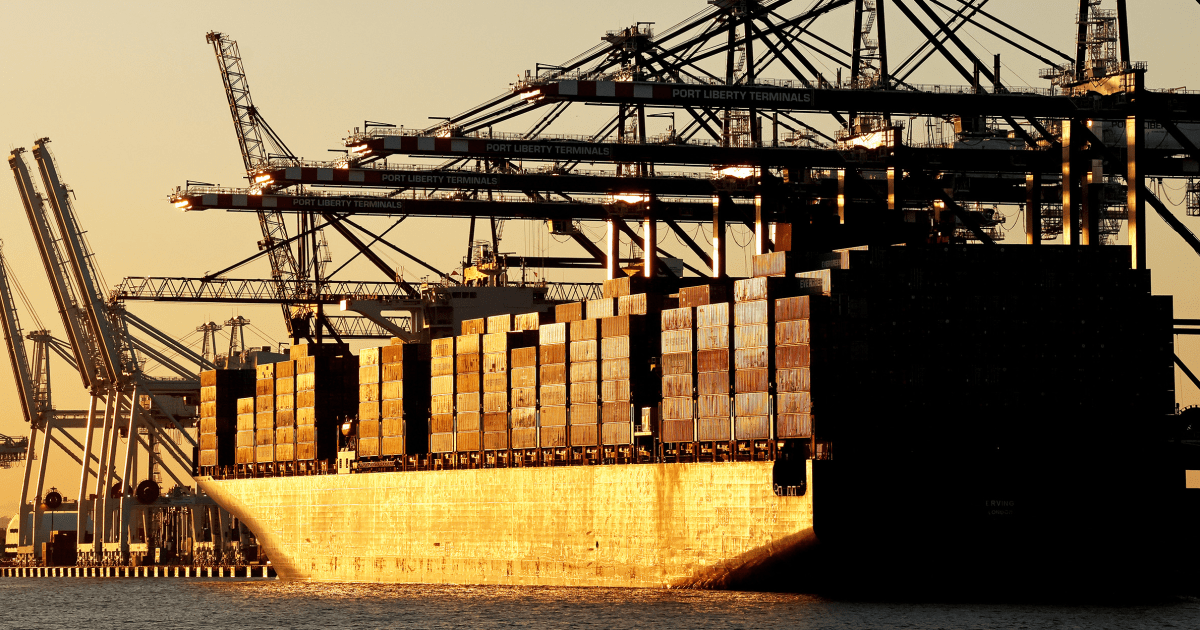
The Court of International Trade held that Section 122 of the 1974 Trade Act does not authorize sweeping import duties absent a real balance-of-payments emergency, leaving the White House racing to find another legal hook before the Federal Circuit.

Following court decision striking down Trump-era tariffs, companies apply for massive refunds but remain silent on whether savings will reach families who paid the higher costs.

American households are losing up to $780 a year as courts battle over who controls trade policy, leaving businesses unable to plan supply chains.

The government debuts a new system to repay importers two months after the Supreme Court struck down key trade policy tariffs.
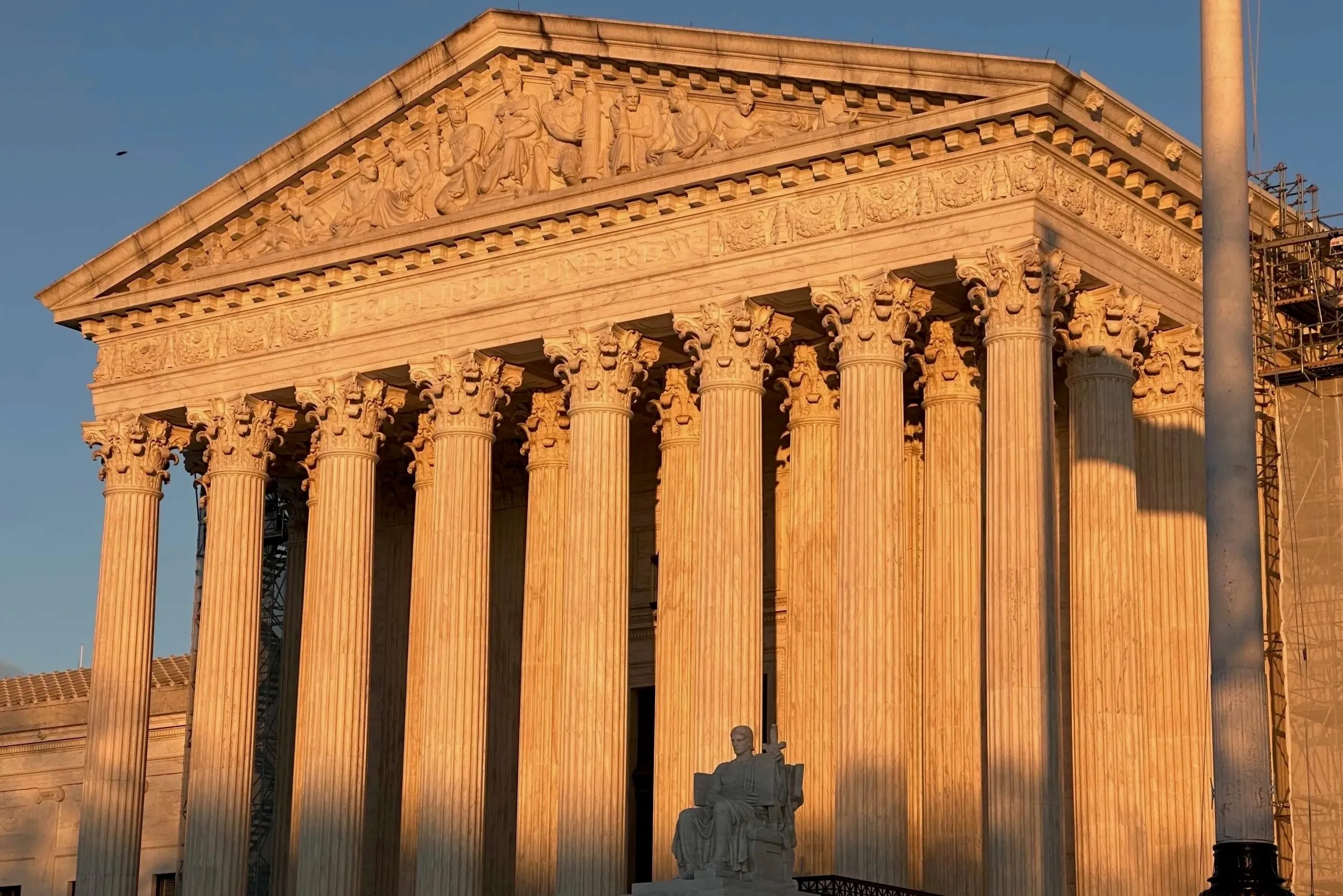
Chief Justice Roberts wrote that the power to impose tariffs belongs to Congress, not the executive, leaving the administration scrambling for alternative legal authorities.
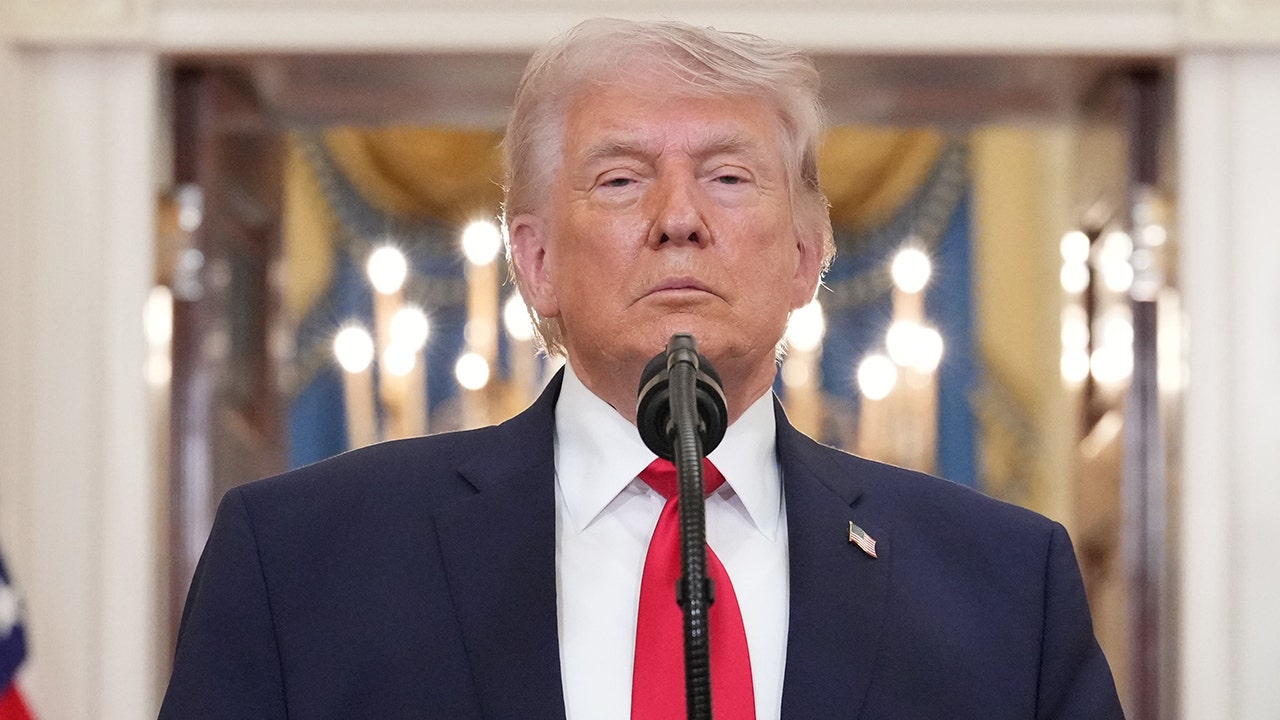
A new White House proclamation eliminates hundreds of product exemptions and raises metals tariffs to their highest levels in modern American history, prompting new investment pledges and fresh warnings about consumer prices.

The Supreme Court struck down the original tariff authority in February, but a new 10% global levy remains — and the EU, India, and Pacific nations have moved on to build a trading world that doesn't include Washington.

The executive action marks the most sweeping pharmaceutical trade measure in US history, giving drugmakers 120 days to comply or sign pricing agreements with the administration.

The president previously mused about making an unprecedented visit to the nation's highest court but ultimately stayed away from oral arguments.
 Watch
WatchThe Court ruled the president lacked authority under IEEPA to impose sweeping import levies, sending markets surging and forcing the White House to scramble for alternative legal strategies.