Trump Raises Tariffs on Steel, Aluminum and Copper to 50%, Citing National Security
A new White House proclamation eliminates hundreds of product exemptions and raises metals tariffs to their highest levels in modern American history, prompting new investment pledges and fresh warnings about consumer prices.
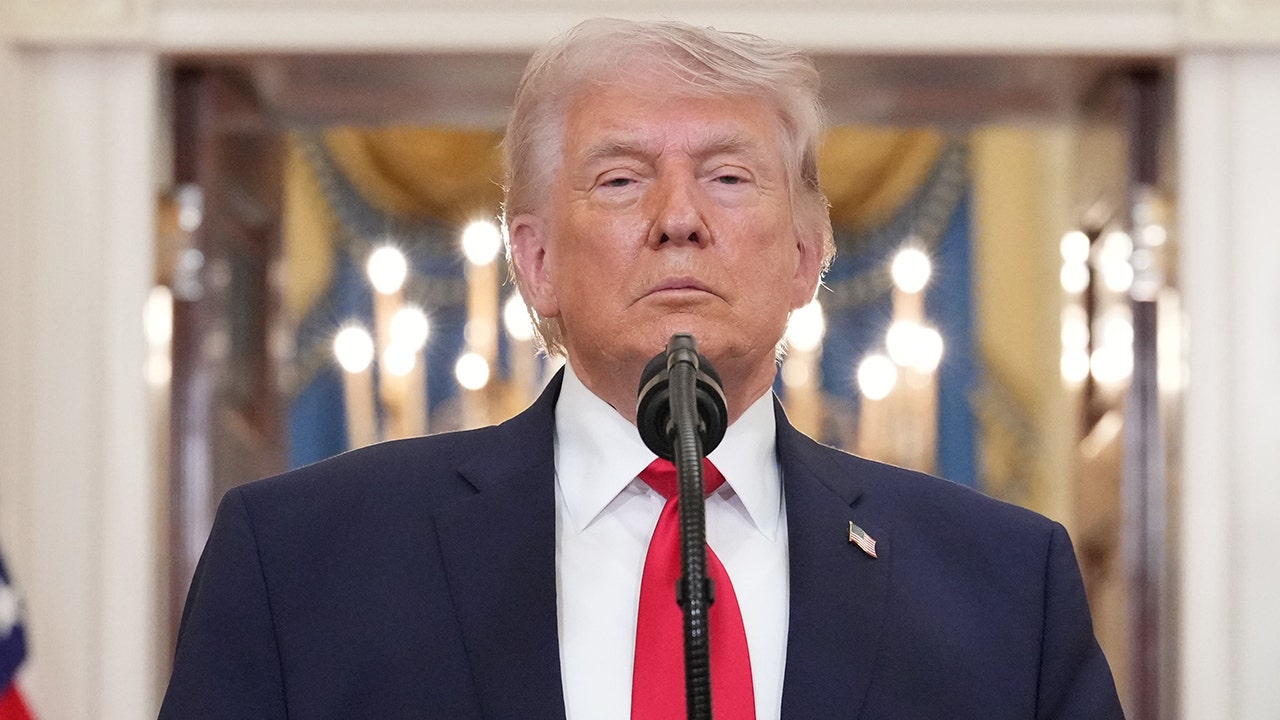
President Trump signed a new proclamation raising tariffs on imports of steel, aluminum, and copper to 50 percent, eliminating hundreds of product exemptions that had been granted to allied nations and domestic manufacturers since the initial metals tariffs were imposed during his first term. The White House described the action as a national security measure designed to revive American manufacturing capacity and reduce dependence on foreign metals supply chains.
The proclamation represents the highest tariff rates on these metals in modern American history, significantly exceeding the 25 percent rates on steel and aluminum that Trump first imposed in 2018. Administration officials argued that domestic production had not recovered sufficiently during the intervening years, and that the rising costs of the Iran war — which has driven up energy and logistics costs for American manufacturers — made a stronger protective tariff necessary. The new rates apply to all countries without exception, including traditional allies like Canada, the European Union, Japan, and South Korea.
Industrial companies that had lobbied for product exemptions from the earlier tariffs warned that the elimination of those carve-outs would significantly raise their input costs. Manufacturers of automobiles, appliances, pipelines, and industrial machinery said they rely on specialized steel and aluminum alloys that are not produced domestically at sufficient scale to meet demand. Several companies announced they would be forced to raise prices for American consumers, adding to inflationary pressures already elevated by the Iran war's impact on energy costs.
The copper tariff drew particular attention from technology and clean energy sectors. Copper is a critical input for electric vehicles, solar panels, wind turbines, and electrical grid infrastructure. Industry groups warned that a 50 percent tariff on imported copper would raise the cost of the energy transition and potentially slow American deployment of clean energy technologies at a time when the country is under pressure to reduce fossil fuel dependence. Copper prices on global commodity markets rose sharply on the announcement.
The announcement drew immediate pledges of new investment from several domestic steel producers, who described the tariff increase as the protection they needed to justify capital expenditures on new furnaces and production capacity. Trump touted these pledges at a White House ceremony, presenting them as evidence that his tariff strategy was working to revive industrial communities in the Midwest and South that lost manufacturing jobs over the previous several decades. Trading partners began signaling retaliatory responses, with the European Union indicating it would update its countermeasure schedule to reflect the new tariff levels.