Trump Signs 100% Tariff on Imported Pharmaceutical Drugs, Exempting Companies With Pricing Deals
The executive action marks the most sweeping pharmaceutical trade measure in US history, giving drugmakers 120 days to comply or sign pricing agreements with the administration.

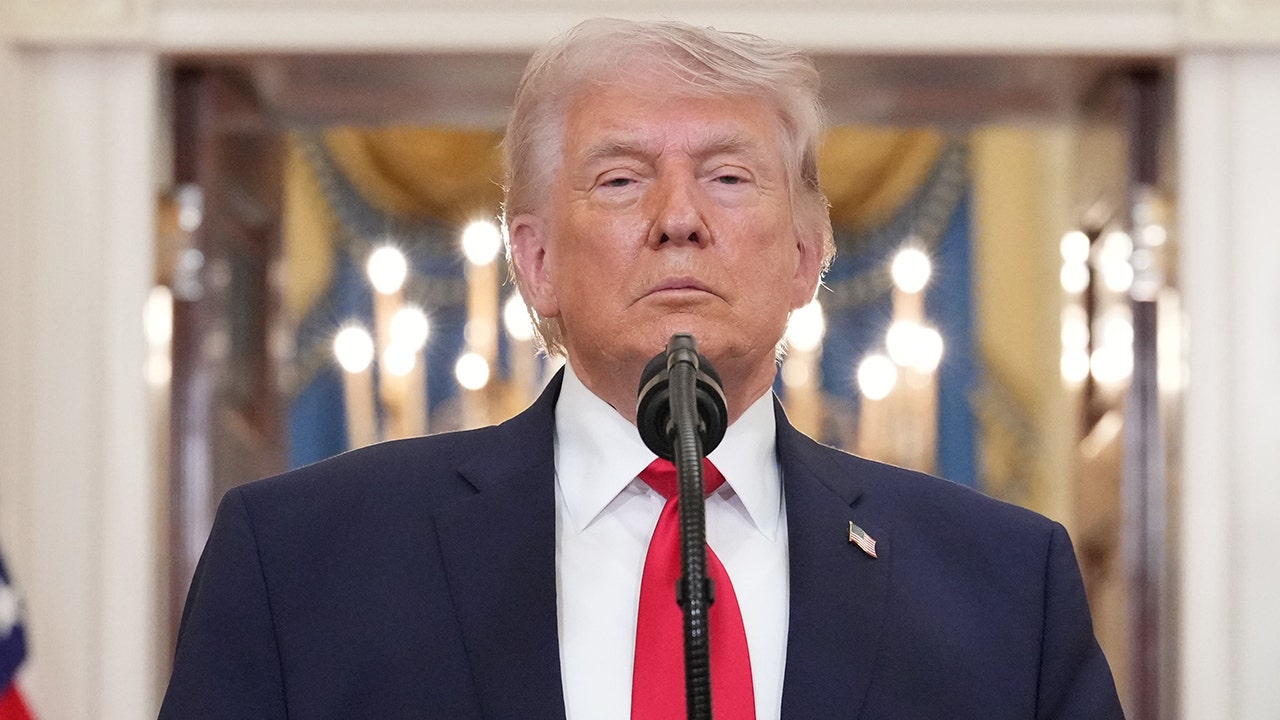
WASHINGTON — President Donald Trump signed an executive action on April 2, 2026, imposing 100% tariffs on imported patented pharmaceutical drugs and their active ingredients, marking one of the most sweeping trade actions ever taken against the pharmaceutical industry and setting the stage for a potential reshaping of global drug pricing and supply chains. The White House cited national security grounds, following a formal Commerce Department investigation that determined pharmaceutical imports pose a strategic vulnerability for the United States.
The tariffs apply to brand-name patented drugs and active pharmaceutical ingredients manufactured by companies that have not entered into agreements with the Trump administration on pricing and domestic production. Companies that sign Most Favored Nation pricing deals with the Department of Health and Human Services — and onshoring agreements with the Commerce Department — will face a 0% tariff for three years, through January 20, 2029. Large companies have 120 days to comply before tariffs take effect; smaller firms have 180 days.
Country-specific rates apply for trading partners with existing US agreements: European Union member states, Japan, South Korea, and Switzerland will face a 15% tariff; the United Kingdom will face 10%. Since November 2025, more than a dozen major pharmaceutical manufacturers — including Eli Lilly, Pfizer, and Novo Nordisk — had already signed pricing and investment deals with the Trump administration and will be exempt from the new tariffs for three years.
The announcement sent immediate shockwaves through global pharma markets. The United States currently imports the majority of active pharmaceutical ingredients for generic drugs from India and China, and a significant share of branded drugs from EU and Swiss manufacturers. Industry analysts warned the tariffs could increase drug prices for American consumers in the short term, while the administration argued the policy would accelerate domestic manufacturing investment and reduce dependence on foreign supply chains that were exposed as fragile during the COVID-19 pandemic.
Pharmaceutical lobby groups said they were reviewing the full text of the executive action before commenting. Senate Democrats quickly condemned the measure, arguing it would increase out-of-pocket costs for patients with chronic conditions and force healthcare providers to scramble for alternative suppliers. Several Republican senators from states with large pharmaceutical manufacturing interests expressed cautious support, while signaling they would watch implementation closely. Administration officials said the policy is part of a broader strategy to bring advanced manufacturing back to American soil, citing similar tariff frameworks applied earlier in Trump's second term to semiconductors and steel.