Chinese Electric Vehicles Take World by Storm — Except in United States
China dominates global EV production and adoption while facing barriers in the American market, highlighting growing technological and trade tensions.
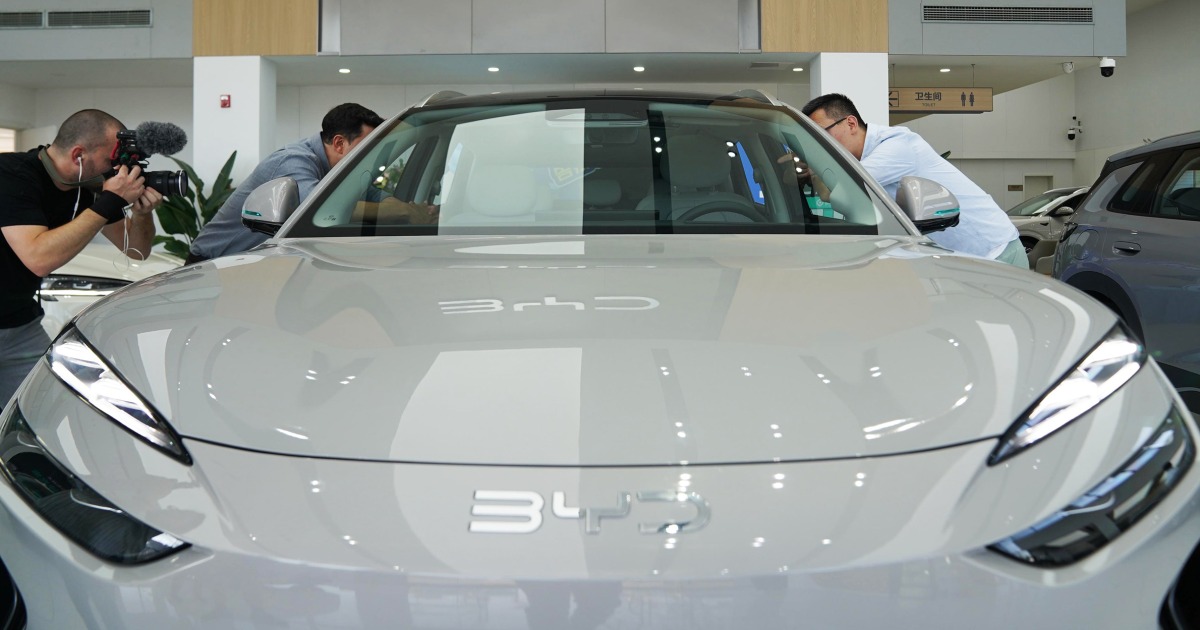
China has emerged as the undisputed global leader in electric vehicle production, adoption, and international sales, successfully penetrating markets across Europe, Asia, and South America while remaining largely shut out of the United States market due to trade barriers and geopolitical tensions. The stark contrast in Chinese EV market presence illustrates the growing technological competition between the world's two largest economies.
Chinese automakers have achieved remarkable success in electric vehicle manufacturing, combining government subsidies, massive scale production, and rapid technological advancement to create competitively priced vehicles that have gained significant market share worldwide. Companies like BYD, Nio, and Xpeng have not only dominated their domestic market but have also successfully expanded into Europe, where Chinese EVs now represent a growing portion of electric vehicle sales.
The Chinese EV industry's global expansion has been facilitated by substantial government support, including subsidies for manufacturers, charging infrastructure development, and export incentives. This coordinated approach has allowed Chinese companies to offer electric vehicles at price points that traditional automotive manufacturers have struggled to match, particularly in the mass market segments where affordability remains a primary consumer concern.
However, the United States market presents a different landscape for Chinese electric vehicles. Trade tensions, national security concerns, and existing tariff structures have effectively created barriers that prevent most Chinese EV manufacturers from establishing significant presence in the American market. These restrictions reflect broader concerns about technology transfer, supply chain dependencies, and competitive practices in the automotive sector.
The divergent market access highlights the complex relationship between technological advancement and geopolitical considerations in the modern global economy. While Chinese EVs continue to gain acceptance in markets that prioritize price and technology features, the American market remains largely protected through policy measures that prioritize domestic production and national security considerations over pure market competition. This dynamic is likely to continue shaping the global automotive landscape as electric vehicle adoption accelerates worldwide.