Volvo EX30 and Honda Prologue Join Growing List of Axed US EVs
Tariffs, eliminated tax incentives, and shifting automaker priorities are accelerating the retreat from electric vehicles

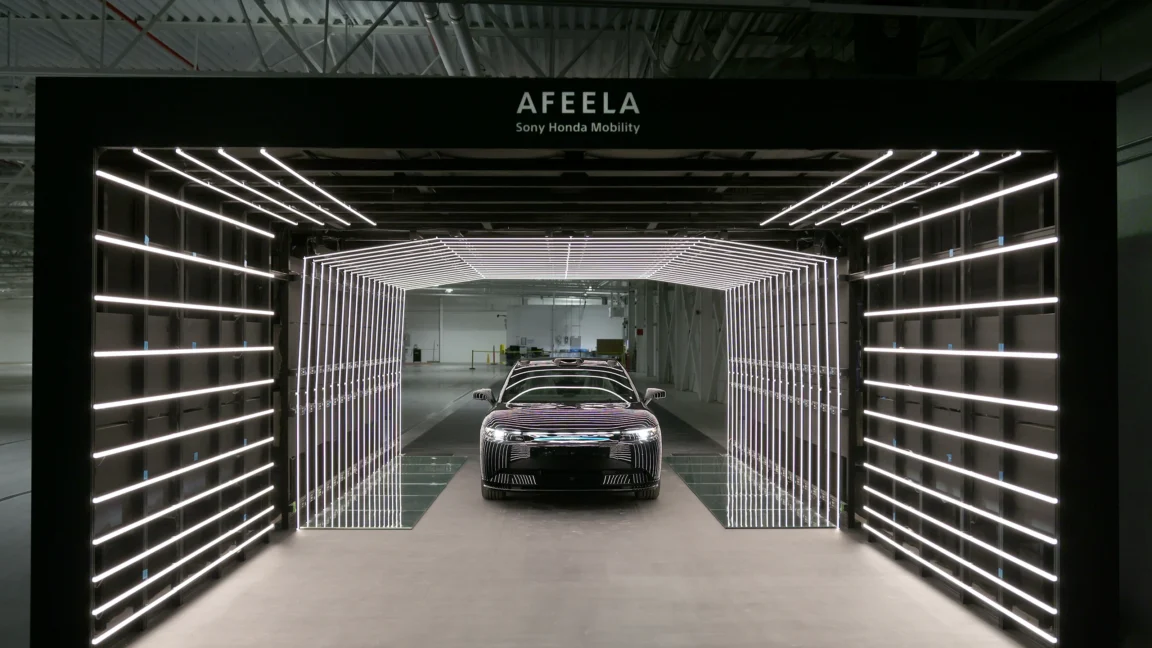
The U.S. electric vehicle market lost two more models this week as Volvo confirmed it will discontinue its compact EX30 SUV after the 2026 model year and reports emerged that Honda's Prologue crossover will not see a second generation — developments that underscore the accelerating retreat from battery-powered vehicles among major automakers.
Volvo's decision to pull the EX30 and its EX30 Cross Country variant from the American market marks the end of what was supposed to be the Swedish automaker's most accessible electric offering. When the vehicle was unveiled in 2023, it carried a starting price of $34,950, positioning it squarely in the affordable EV segment that analysts have long identified as critical for mass adoption. But tariffs on Chinese-manufactured vehicles forced Volvo to delay the U.S. launch until 2025 and relocate production, pushing the starting price to $44,900 — a nearly 30 percent increase that undercut the car's core appeal. The EX30 will continue to be sold globally, including in Canada and Mexico, and Volvo said it remains committed to electrification through its upcoming EX60 and an upgraded EX90.
The Honda Prologue's fate appears similarly sealed, though the automaker is disputing the timeline. According to an Automotive News report, Honda will not order a second generation of the Ultium-platform SUV, which General Motors manufactures at its Ramos Arizpe plant in Mexico. The cancellation appears driven in part by GM's own strategic pivot away from EVs and toward internal combustion engines and hybrids, effectively leaving Honda without a production partner for the vehicle. Honda spokesperson Chris Naughton called the report "based purely on speculation" and said the Prologue "remains in our lineup," but declined to address questions about GM's production plans. The denial rings somewhat hollow given that Honda disclosed just days earlier a write-down of up to $3.5 billion on its EV investments, citing an "extremely challenging earnings situation," and separately canceled its next-generation Zero Series electric lineup.
The twin cancellations come amid a broader pullback driven largely by the Trump administration's elimination of EV tax incentives, which had provided buyers up to $7,500 in credits. Without those subsidies, demand has softened considerably, and automakers are recalculating the economics of their electrification strategies. The pattern is now unmistakable: in just the past several weeks, Honda scrapped its Zero Series, and multiple manufacturers have signaled delays or cancellations of planned EV programs.
For consumers who had been waiting for affordable, mainstream electric options from established brands, the message is increasingly clear — the window of expanding EV choice in the United States is narrowing rather than widening, at least for now.