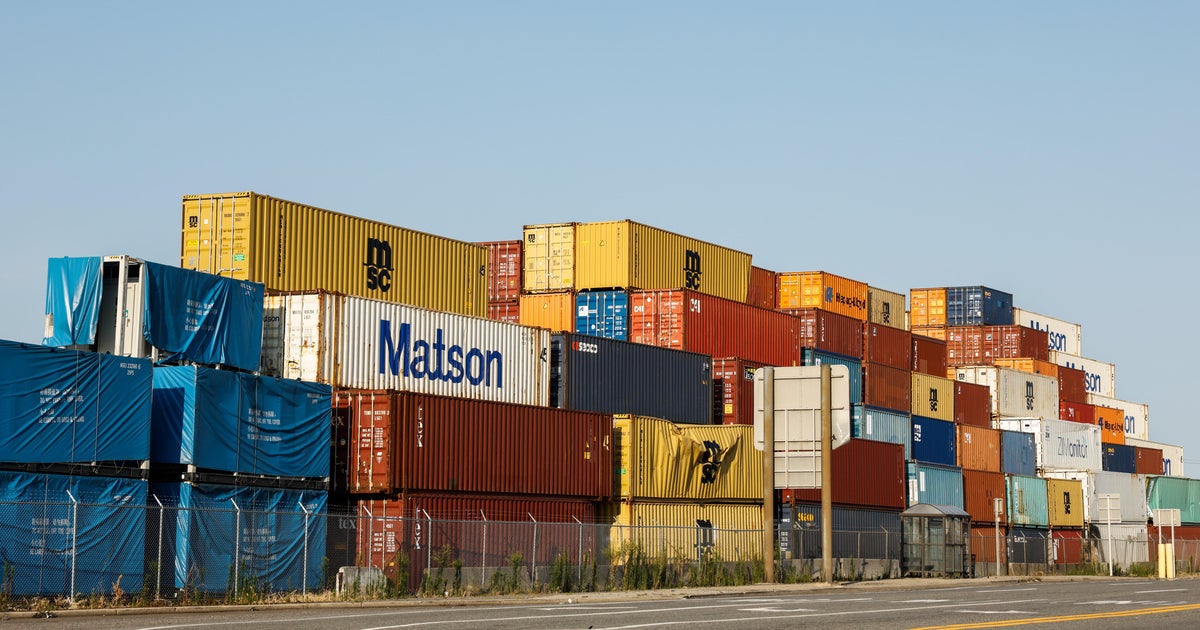
Trump Readies New Tariffs on 60 Countries as His 10% Global Levy Expires Friday
The White House has prepared duties of 10% to 12.5% on dozens of trading partners over forced-labor concerns, replacing a temporary blanket tariff that lapses this week after the Supreme Court struck down his earlier trade agenda.
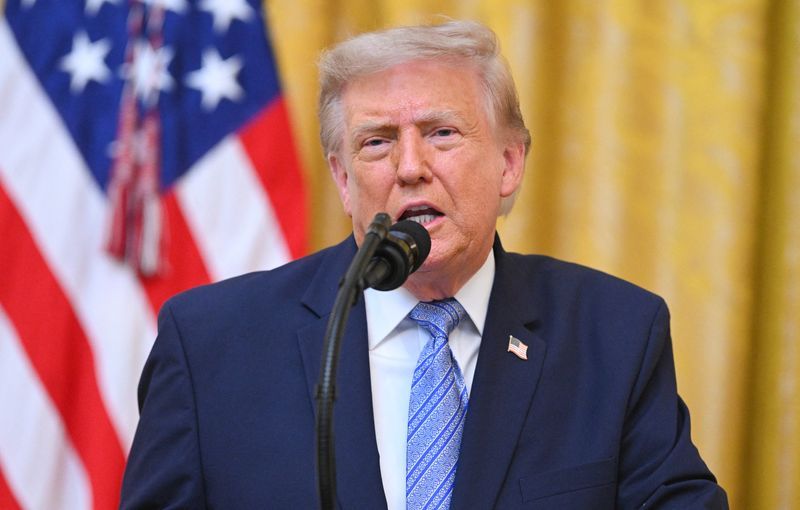
The Trump administration is preparing to slap fresh tariffs on roughly 60 trading partners as soon as this week, moving to replace a temporary 10% global levy that is set to expire on Friday, according to officials briefed on the plans.
The new duties, expected to range from 10% to 12.5%, are being framed around allegations that dozens of countries have failed to act against forced labor in their supply chains — a legal rationale the administration is using to rebuild President Trump's trade agenda after a bruising setback. In February, the Supreme Court struck down a sweeping set of his earlier tariffs, and the 10% across-the-board duty was imposed as a stopgap while lawyers searched for firmer legal footing.
Under the plan taking shape, a 10% rate would hit imports from partners including Canada, the European Union, Mexico, Taiwan and the United Kingdom, while goods from more than 40 other major economies — among them China, India and Japan — would face the steeper 12.5% levy. Officials say the tiered structure is designed to survive court challenges by tying the duties to specific labor-standards findings rather than to broad emergency powers.
The forced-labor tariffs are only the latest volley in a widening trade offensive. Last week, Washington announced a fresh 25% duty on certain Brazilian goods, and on Monday it unveiled a 50% levy on a broad list of Canadian products set to take effect in 30 days. Taken together, the measures amount to one of the most aggressive rounds of tariff-building since Trump returned to office, and they threaten to reignite retaliation from major partners.
Business groups and importers warned that the rapid-fire changes are making it nearly impossible to plan, with duty rates on the same goods shifting week to week as legal theories evolve. Economists cautioned that even single-digit tariffs applied across most of America's trading relationships would ripple through consumer prices, adding to costs on everything from cars and electronics to food and apparel at a moment when households are already stretched.
Foreign capitals reacted with a mix of alarm and calculation. Some governments signaled they would seek carve-outs by pointing to their own labor enforcement records, while others warned of countermeasures against American exports. With the stopgap levy lapsing in a matter of days, companies on both sides of the border were bracing for another abrupt reset of the rules governing trillions of dollars in global trade.