State Department Accuses Cuba of a 67-Year 'Campaign of Subversion' Against the U.S.
A sweeping new report alleges Havana cultivated American left-wing groups including CodePink and the National Lawyers Guild, drawing swift denials and accusations of a politically motivated witch hunt.
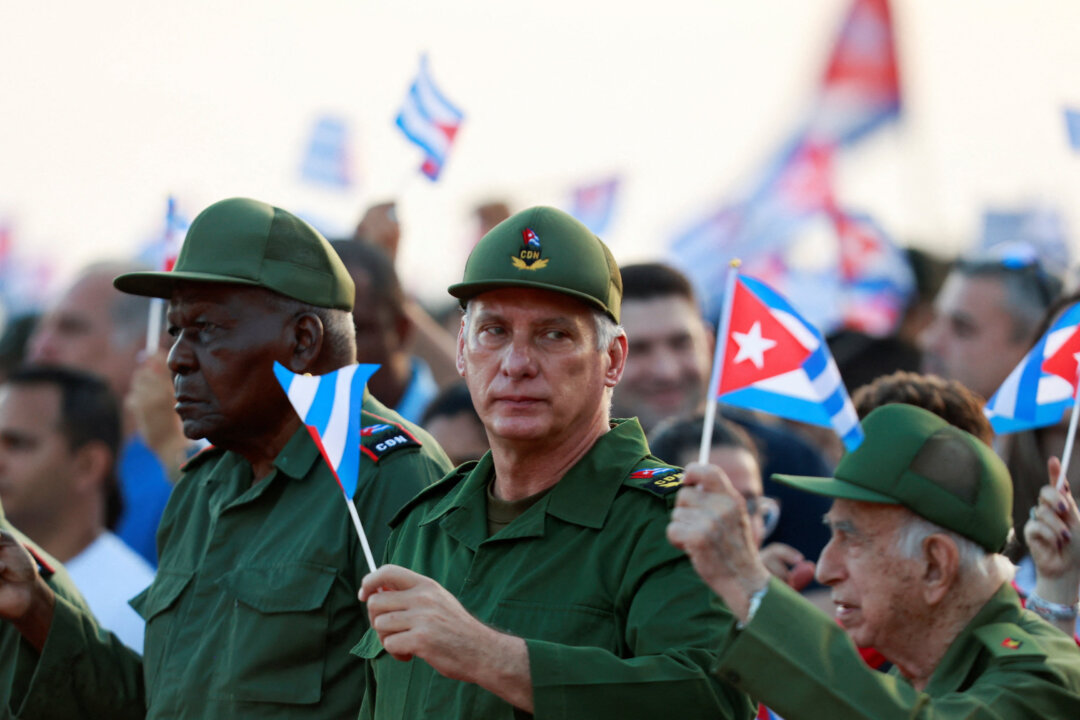
The State Department on Monday released a report accusing the Cuban government of waging a "sustained campaign of subversion" against the United States for nearly seven decades, alleging that Havana has cultivated American left-wing organizations and, at times, infiltrated the upper reaches of the U.S. government.
The report, titled "Cuba: The Capital of 21st Century Communism," names a number of American groups it says have been influenced or supported by Cuban propaganda and intelligence efforts, including the National Lawyers Guild, CodePink, Pastors for Peace and the National Network on Cuba. It also singles out the Democratic Socialists of America and left-wing online commentators, framing them as vehicles for what the department describes as a decades-long ideological influence operation directed from the island.
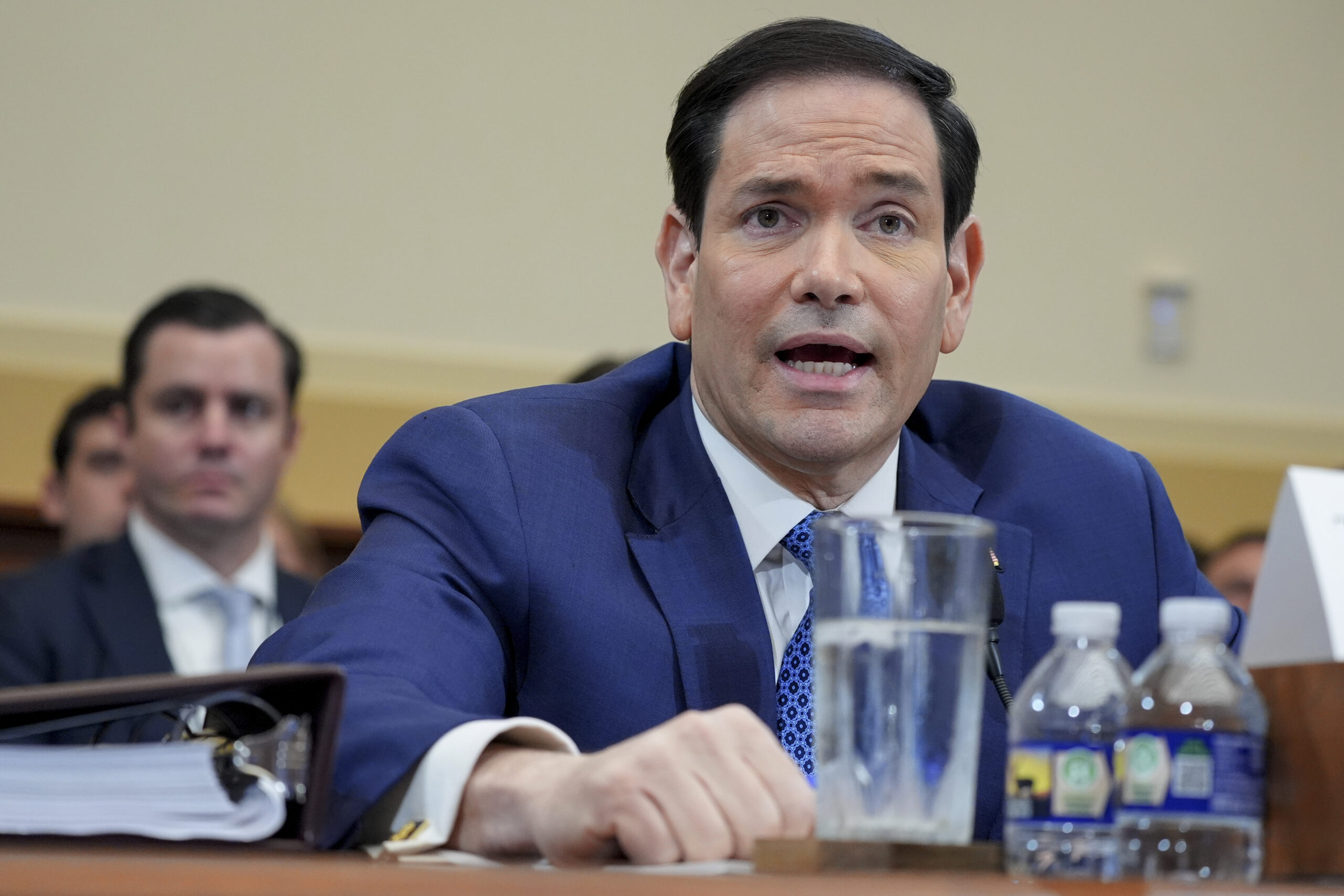
The document caps months of escalating pressure on Havana and dovetails with a broader Trump administration effort, led by Secretary of State Marco Rubio, to confront what officials have labeled "left-wing" political terrorism at home and abroad. Rubio, the son of Cuban immigrants and a longtime hawk on the communist government, has made isolating Havana a centerpiece of his tenure, and the report leans heavily on the language of national security to justify continued sanctions and diplomatic pressure.
The named organizations pushed back forcefully. CodePink, the antiwar group founded in 2002, called the report "one of many politically motivated witch hunts designed to silence antiwar voices," arguing that its real purpose was "justifying even more aggression against Cuba while turning advocates for peace into suspects." Civil-liberties advocates warned that branding domestic advocacy groups as instruments of a foreign adversary could chill constitutionally protected speech and set a precedent for targeting political opponents.
The allegations arrive against the backdrop of a deepening humanitarian crisis in Cuba, where a U.S. energy blockade has contributed to repeated collapses of the national power grid, chronic fuel shortages and widespread blackouts. Critics of the administration argue that the report is designed in part to deflect from that suffering and to build a case for further intervention, while supporters say it documents a genuine and long-ignored threat.
The State Department did not release the classified underpinnings of many of its claims, and independent verification of the more sweeping infiltration allegations remained difficult. But the political message was unmistakable: an administration that has repeatedly warned it may move against Cuba "almost immediately" now has an official document casting the island as, in its words, the ideological headquarters of a hostile global movement — and casting a set of American activists as its domestic echo.