Twenty-Five States Sue Over Trump's Third Attempt at Global Tariffs, This Time Under a Forced-Labor Rationale
The coalition, led by California Attorney General Rob Bonta, argues the administration stretched Section 301 of the 1974 Trade Act past its breaking point to impose duties on 60 economies.
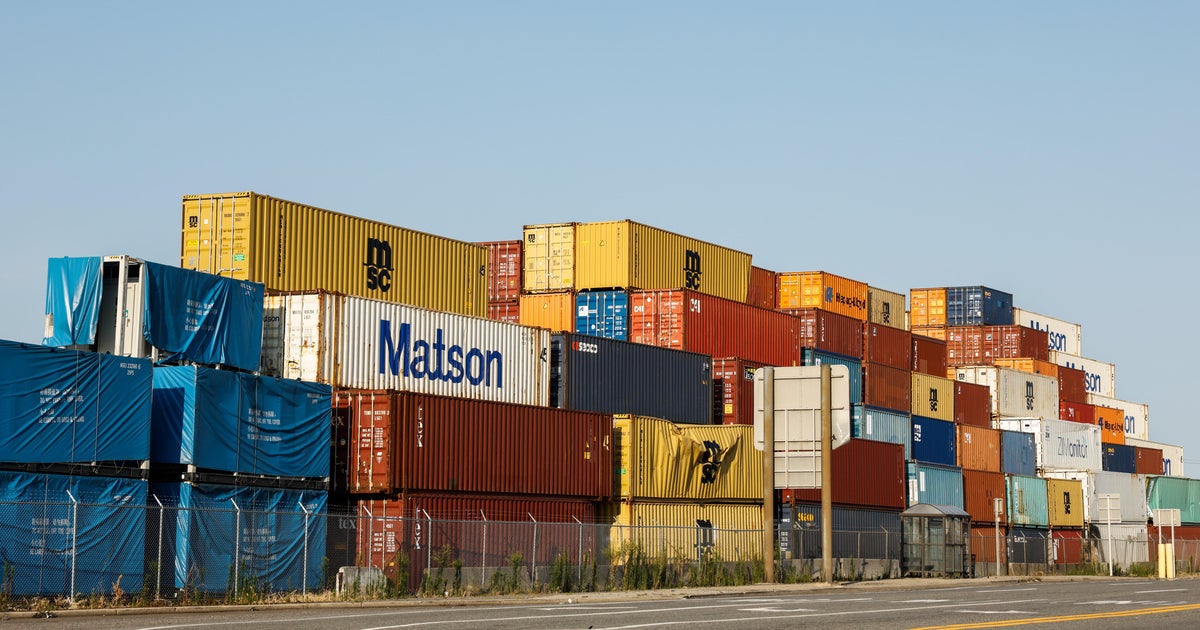
Twenty-five states sued the Trump administration on Monday over its newest round of tariffs, arguing in a filing at the U.S. Court of International Trade that the White House has once again reached for a trade statute that does not authorize what it is being used to do.
The duties at issue were imposed in June under Section 301 of the Trade Act of 1974 and hit 60 economies at rates between 10% and 12.5%. The administration justified them as a response to forced labor in imported goods — a rationale that lets the executive branch act against what the statute calls unjustifiable or unreasonable foreign practices. The states contend that framing is a pretext for what is functionally a broad, across-the-board levy on nearly every U.S. trading partner, imposed without the country-by-country investigation the law requires.
California Attorney General Rob Bonta, who leads the coalition, framed the suit as the latest round in a running fight. "This is President Trump's third attempt to illegally impose tariffs that would make life more expensive for American families and small businesses," Bonta said. He added: "Tariffs are taxes, and the American people cannot and should not shoulder the extra costs that come from the president's failed and illegal economic policy."
The White House rejected that reading. "Section 301 tariffs have proven to be a legally durable tool since the president's first term, and they remain so now," spokesman Kush Desai said — a pointed contrast with the administration's earlier tariff authorities, which have fared badly in court. Section 301 is the mechanism that survived legal challenge during Trump's first-term trade war with China, and administration lawyers have treated it as the safest of the available options precisely because it has been tested.
The plaintiffs are California, Arizona, Colorado, Connecticut, Delaware, Hawaii, Illinois, Kentucky, Massachusetts, Maryland, Maine, Michigan, Minnesota, Nevada, New Jersey, New Mexico, New York, North Carolina, Oregon, Pennsylvania, Rhode Island, Virginia, Vermont, Washington and Wisconsin.
The economic backdrop cuts in an unexpected direction. The U.S. effective tariff rate has actually fallen this year, to 7.4% from 9.4%, because the Section 301 duties replaced the temporary and steeper Section 122 duties the administration had been relying on. That means the states are challenging a tariff regime that is, on average, lighter than the one it succeeded — a point the administration is likely to press. The states' answer is that legality does not turn on severity, and that a program built on the wrong statutory footing has to be undone regardless of its rate.
A ruling against the administration would force a third rewrite of the tariff architecture in a single year, and would raise the question of refunds for importers who have already paid.
Originally reported by CBS News.