Nvidia CEO Projects $1 Trillion in Orders for AI Chip Platforms
Jensen Huang doubled demand forecast for Blackwell and Vera Rubin architectures at GTC 2026 keynote

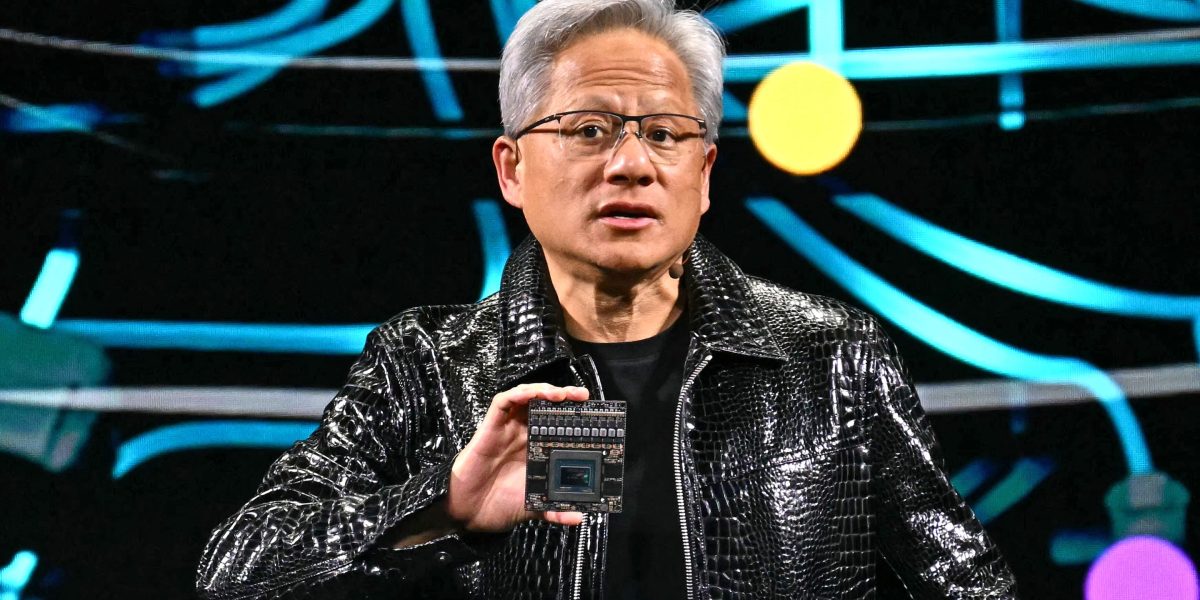
Nvidia CEO Jensen Huang told attendees at the company's annual GTC Conference in San Jose on Monday that he now sees at least $1 trillion in combined orders for the company's Blackwell and Vera Rubin chip architectures through 2027 — double the $500 billion demand estimate he cited just months earlier.
The staggering projection, dropped roughly an hour into a technically dense keynote address, underscores the accelerating pace of infrastructure spending driven by the artificial intelligence boom. At a previous event in Washington, D.C., Huang had pegged cumulative demand for the two chip families at approximately $500 billion through 2026. "I'm here to tell you that right now where I stand — a few short months after GTC DC, one year after last GTC — right here where I stand, I see through 2027, at least $1 trillion," he told the audience.
The Vera Rubin architecture, first unveiled in 2024 and now entering production, represents a generational leap over its Blackwell predecessor. Nvidia has said the platform delivers 3.5 times faster performance on model-training workloads and five times faster inference, reaching up to 50 petaflops. The company expects to ramp Rubin production significantly in the second half of 2026, positioning it as the centerpiece of next-generation AI data centers being built by hyperscalers and sovereign cloud operators worldwide.
The trillion-dollar figure, while reflecting orders rather than booked revenue, signals extraordinary confidence in sustained enterprise and government appetite for AI computing power. It also raises the stakes for Nvidia's manufacturing and supply chain partners, particularly TSMC, which fabricates the company's most advanced processors. With capital expenditure plans from major cloud providers like Microsoft, Amazon, Google, and Meta already running into hundreds of billions of dollars over the coming years, Huang's forecast may not be as outlandish as it initially sounds.
For investors, the projection adds fuel to a narrative that has driven Nvidia's market capitalization past the $3 trillion mark. But it also invites scrutiny: whether demand of this magnitude can be sustained will depend on whether AI applications continue to translate into tangible economic returns for the companies making these enormous infrastructure bets.