Scientists Crack a 150-Year-Old Gallium Mystery, Overturning Decades of Textbook Chemistry
University of Auckland researchers found that the strange metal's covalent bonds don't vanish for good when it melts — they re-form at higher temperatures, rewriting how we explain why gallium melts in your hand.
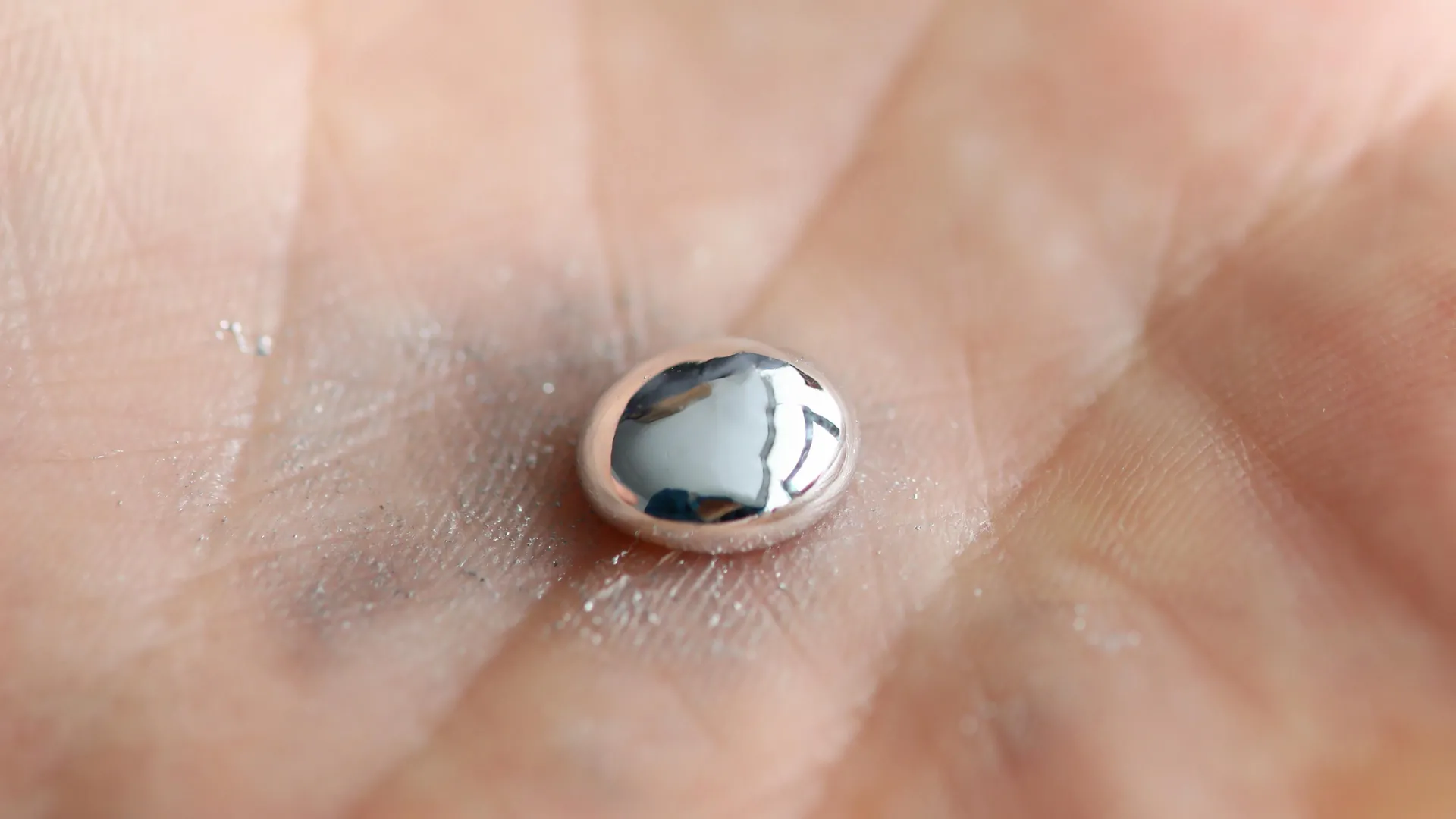
Nearly 150 years after gallium was discovered and slotted into the periodic table, scientists say they have finally solved a mystery that has puzzled chemists for generations — and in doing so, they have overturned an assumption that has sat in the scientific literature for three decades. The metal, famous for melting in the warmth of a human hand, turns out to behave in a way textbooks got wrong.
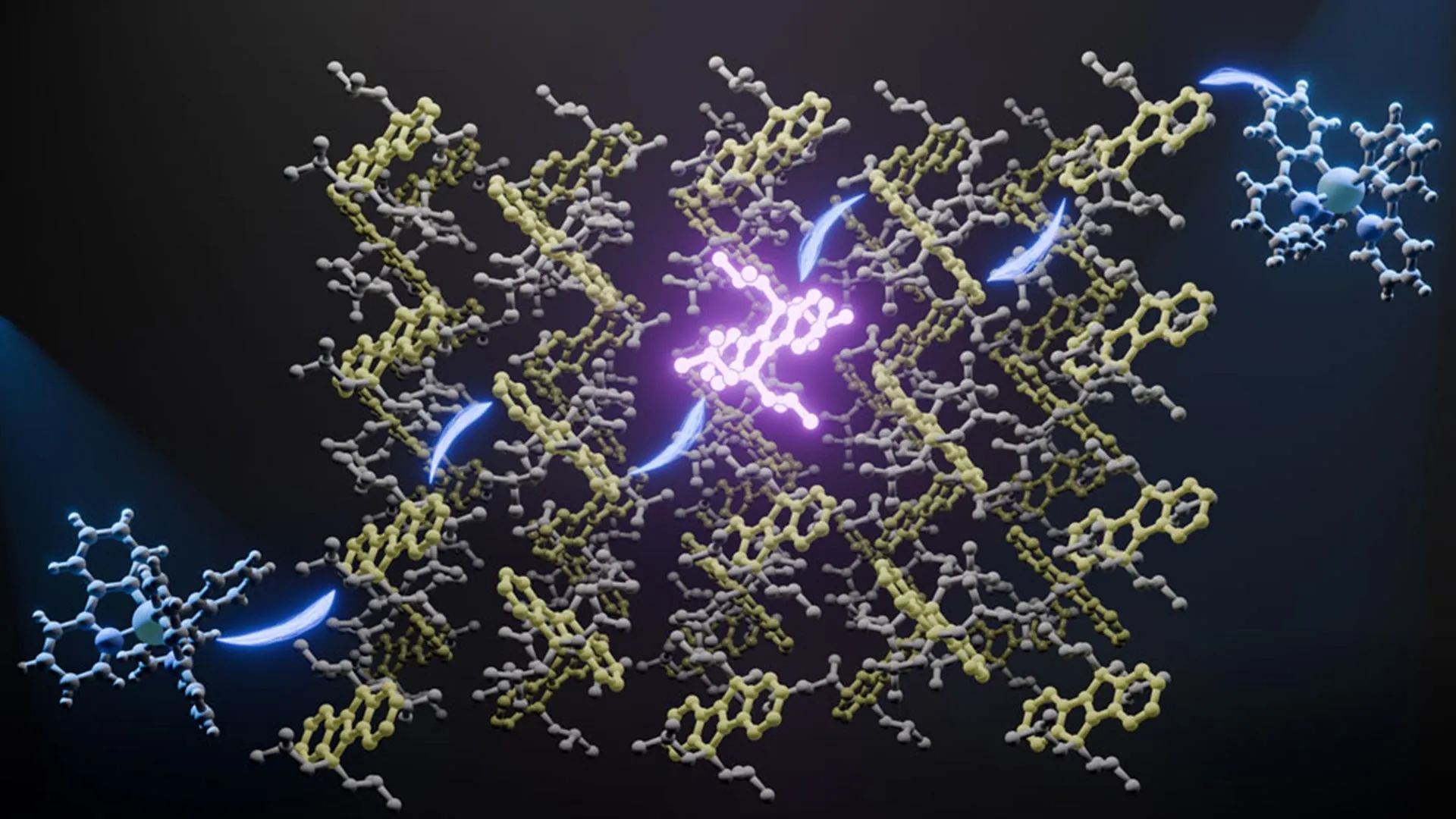
Researchers at the University of Auckland, led by Professor Nicola Gaston of the MacDiarmid Institute, found that gallium's covalent bonds do not disappear permanently when the metal melts. Instead, those bonds break apart at the melting point and then re-form when the liquid metal is heated to even higher temperatures. "Thirty years of literature on the structure of liquid gallium has had a fundamental assumption that is evidently not true," Gaston said.
The discovery reframes one of gallium's defining oddities: its remarkably low melting point of about 30 degrees Celsius, low enough that a solid chunk turns liquid in your palm. The team's explanation hinges on entropy, a measure of disorder. When gallium's covalent bonds snap at the melting point, the resulting jump in entropy frees the atoms to move, making the metal unusually easy to melt. The bonds reappearing at higher temperatures had gone unnoticed — and unexplained — for decades.
The work, carried out with Dr. Steph Lambie, now at the Max Planck Institute, and Dr. Krista Steenbergen of Victoria University of Wellington, does more than settle an academic argument. Gallium is a workhorse of modern technology, essential to semiconductors, LEDs and next-generation electronics, and understanding exactly how its atoms bond and rearrange could sharpen the design of those materials. Liquid gallium is also emerging as a tool in nanotechnology; the Auckland group has previously used it to crystallize zinc into intricate patterns.
Beyond immediate applications in chip-making and liquid-metal catalysts, the finding is a reminder that even elements humans have studied since the 1870s can still hide fundamental secrets. By showing that a bonding behavior long assumed to be a one-way street is in fact reversible with temperature, the researchers have handed materials scientists a more accurate map of how one of technology's most important metals actually works — and a caution against treating any assumption as settled just because it has survived for a century and a half.