Gravitational-Wave Hunters Unveil a 390-Collision Catalog, Catching the Clearest Black-Hole 'Ring' Yet
A single 10-month observing run added 161 new detections, nearly doubling the record — and delivered the sharpest gravitational-wave signal ever recorded, along with hints that some black holes are built from earlier black holes.

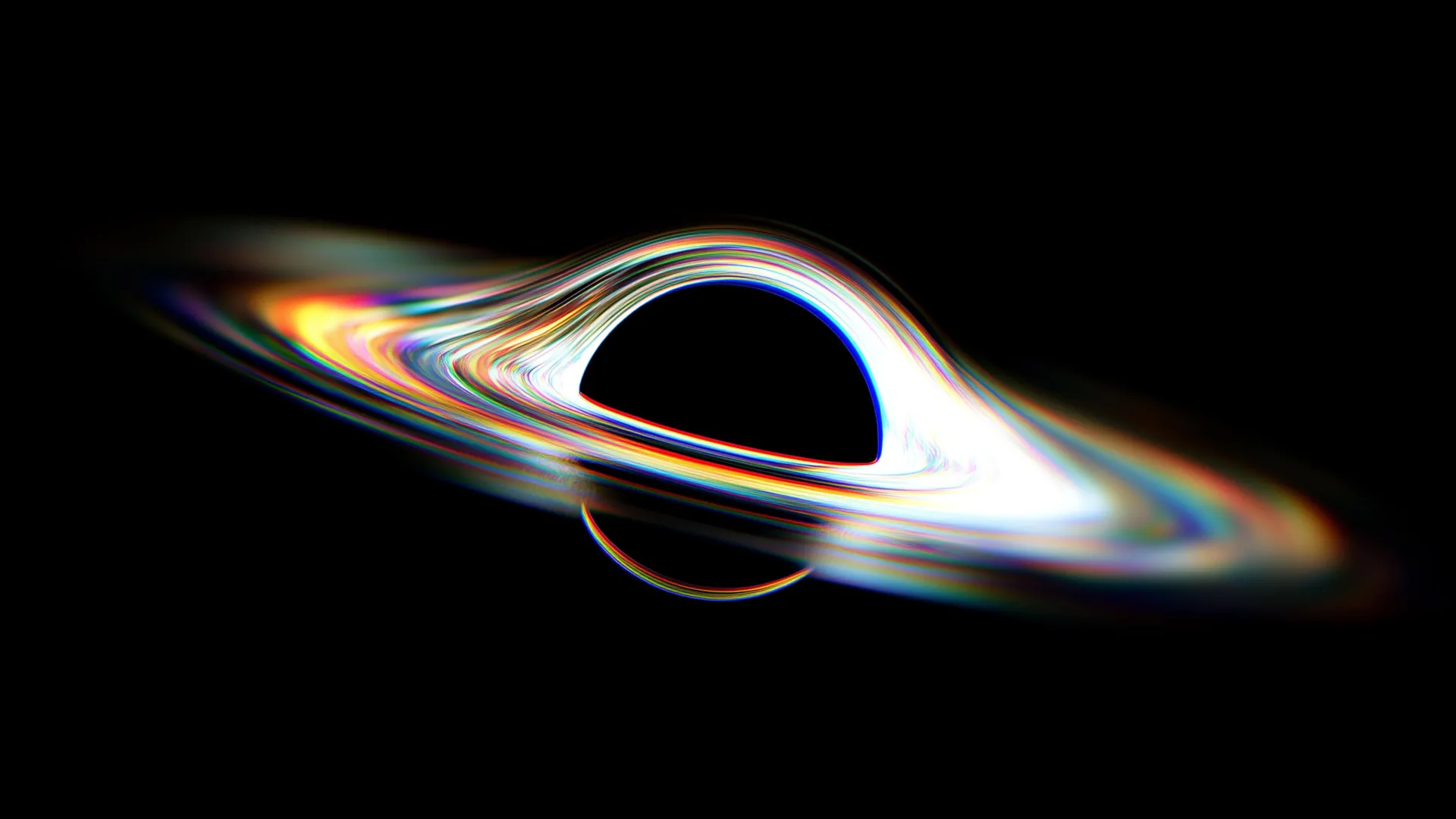
Astronomers have released the largest gravitational-wave catalog ever assembled, adding 161 new black-hole collisions in a single observing run and pushing the total number of confirmed detections to 390 — a haul so large it is beginning to reveal the hidden demographics of the universe's dead stars.
The new release, known as GWTC-5.0, comes from the LIGO–Virgo–KAGRA collaboration, a network of detectors comprising the twin LIGO instruments in the United States, Virgo in Italy and KAGRA in Japan. The 161 fresh signals were recorded between April 2024 and the end of January 2025. Thanks to a series of hardware upgrades and the 2024 return of Virgo after four years offline, the combined network is now sensitive enough to capture as many as three to four collisions every week.
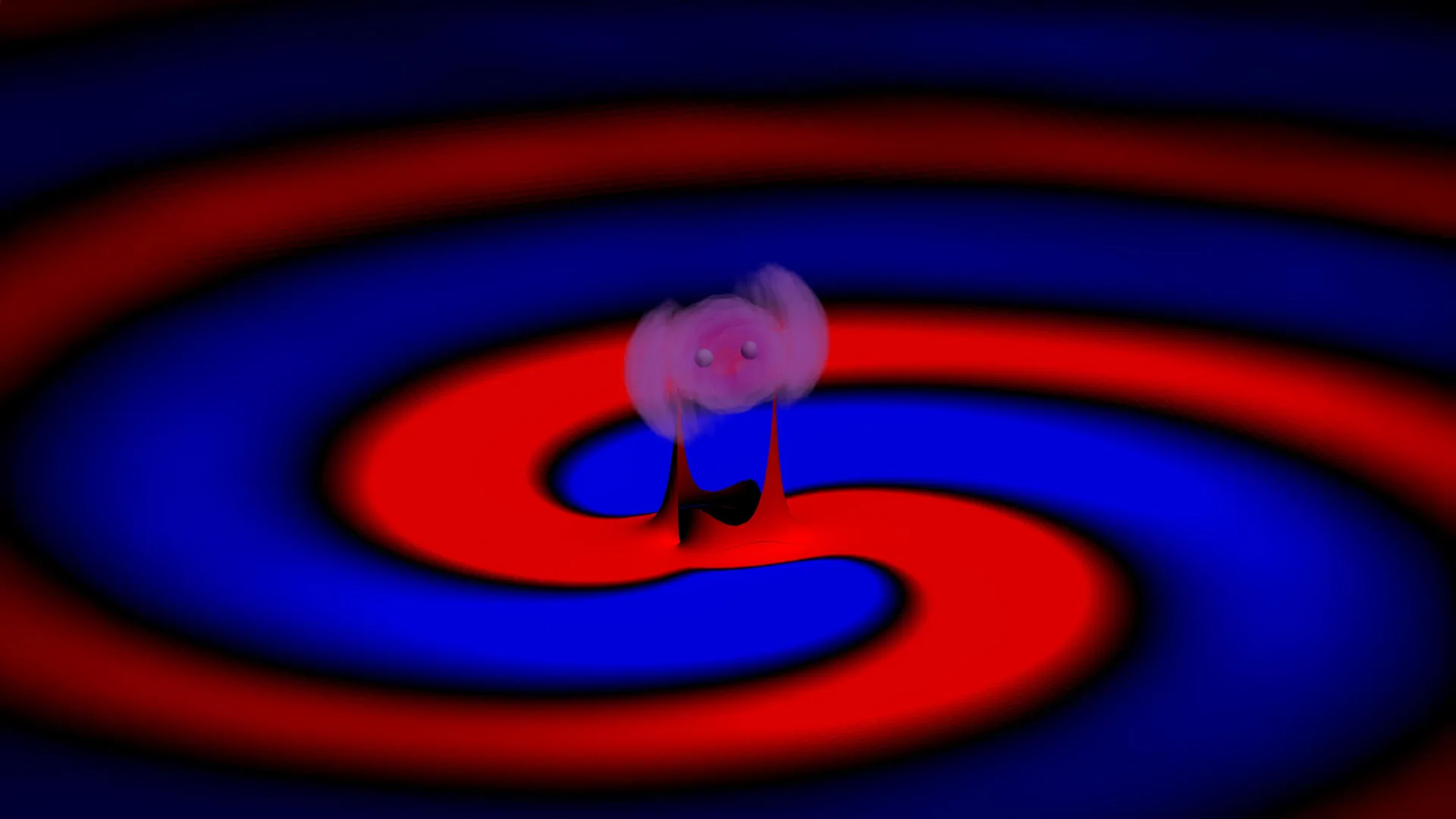
Two events stood out. A merger designated GW250114, detected on January 14, 2025, produced the clearest gravitational-wave signal ever recorded, with a signal-to-noise ratio of 76.9 — involving black holes of about 32 and 34 solar masses more than a billion light-years away. A second event, GW240615, became the most precisely located merger to date, pinned to a patch of sky just six square degrees across, with black holes of roughly 26 and 30 solar masses lying more than three billion light-years off.
Beyond the record-setting individual detections, researchers said the real prize was the crowd. "We're now detecting so many of these signals that we're not just learning about individual collisions; it's the astronomical equivalent of uncovering an ancient civilisation," one team member said. With hundreds of mergers now cataloged, scientists can lay their masses, spins and distances side by side and ask what the whole population is trying to tell them — including growing evidence that some black holes are themselves the products of earlier black-hole mergers, so-called hierarchical or second-generation objects.
The analysis was led by researchers at the University of Glasgow's Institute for Gravitational Research, including Dr. Daniel Williams, Dr. John Veitch, and postgraduate researchers Alex Papadopoulos and Storm Colloms. A decade after the first-ever detection of gravitational waves confirmed a prediction of Einstein's, the field has shifted from celebrating single events to conducting a genuine census — one that is starting to expose black-hole families no one could see before.