AI Sniffs Out Two New Superconductors, Pointing the Way to Thousands More
Physicists paired machine learning with quantum theory to find and confirm two new materials — a recipe that could speed the long hunt for a room-temperature superconductor.
Physicists have combined machine learning with quantum theory to discover and confirm two brand-new superconductors, and in the process built a much faster way to search for many more. The work, led by Professor Päivi Törmä and colleagues at Aalto University in Finland, identified two materials — YRu3B2 and LuRu3B2 — that carry electrical current with zero resistance when chilled to within a whisker of absolute zero.
Superconductors are materials that conduct electricity perfectly, losing no energy to heat, and they already underpin technologies from MRI scanners to particle accelerators. The catch is that most work only at punishing temperatures. The two newly confirmed compounds are no exception, becoming superconducting at critical temperatures of about 0.81 kelvin for YRu3B2 and 0.95 kelvin for LuRu3B2 — colder than deep space. What makes them exciting is not how they behave but how they were found.
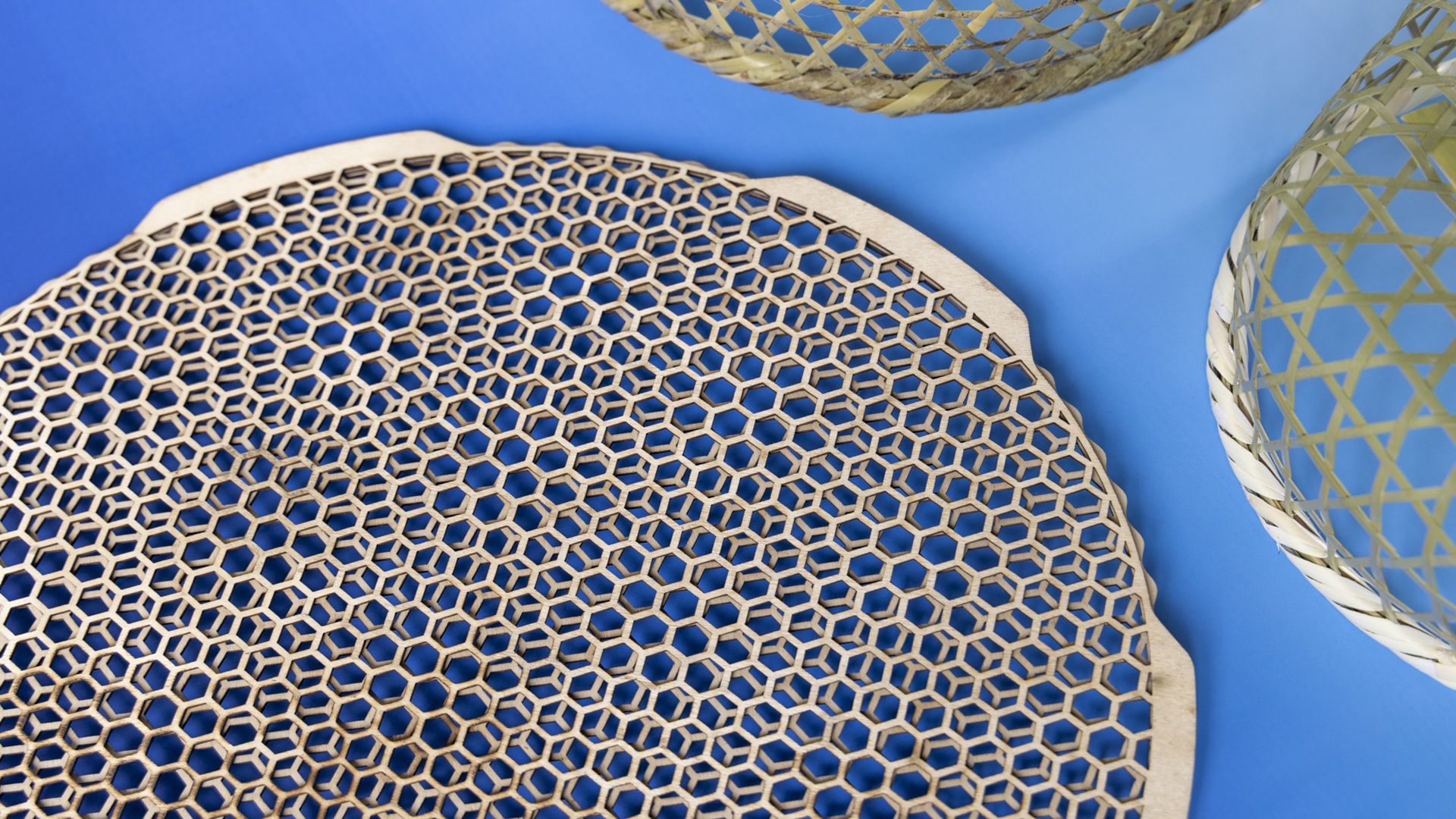
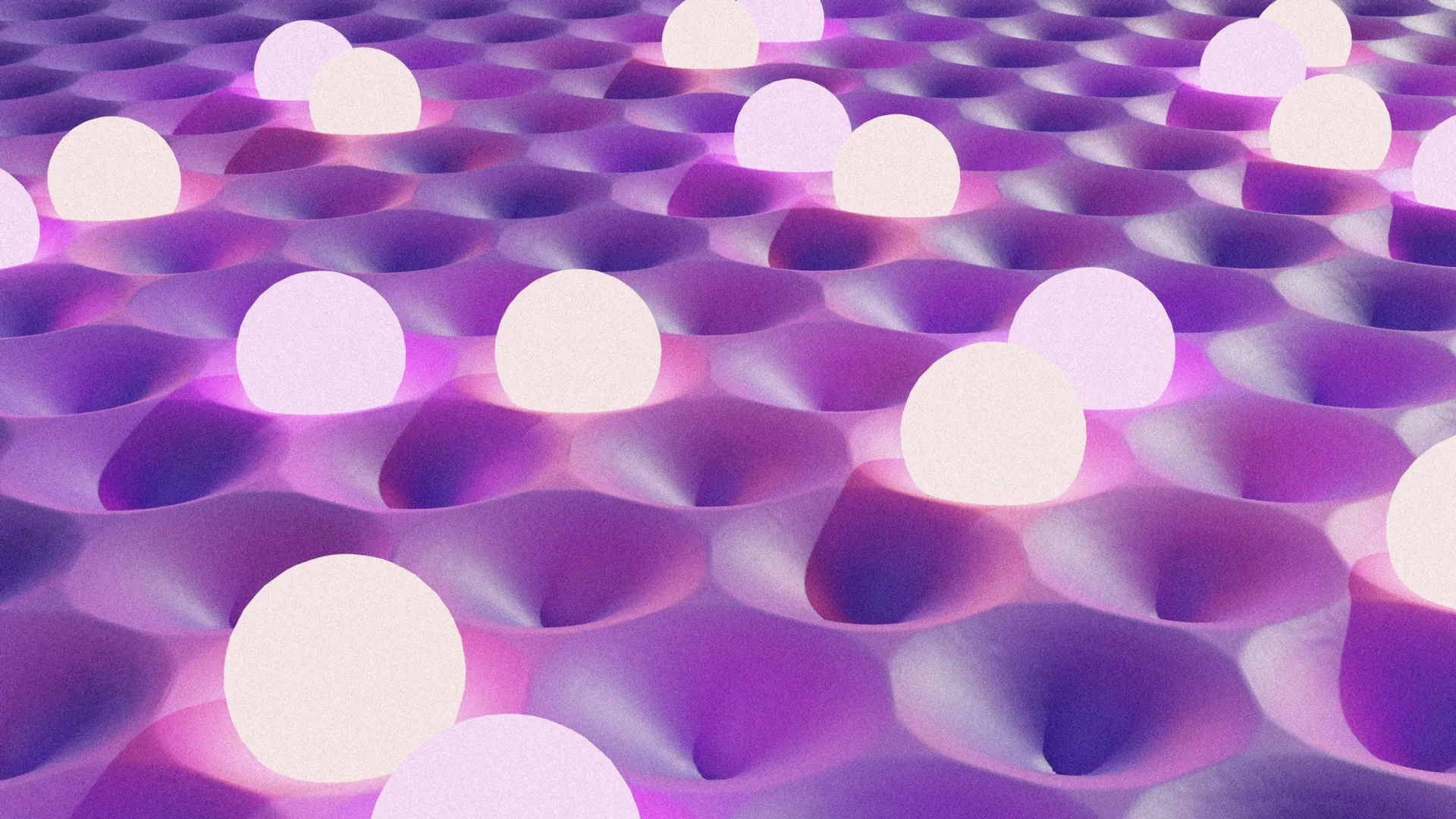
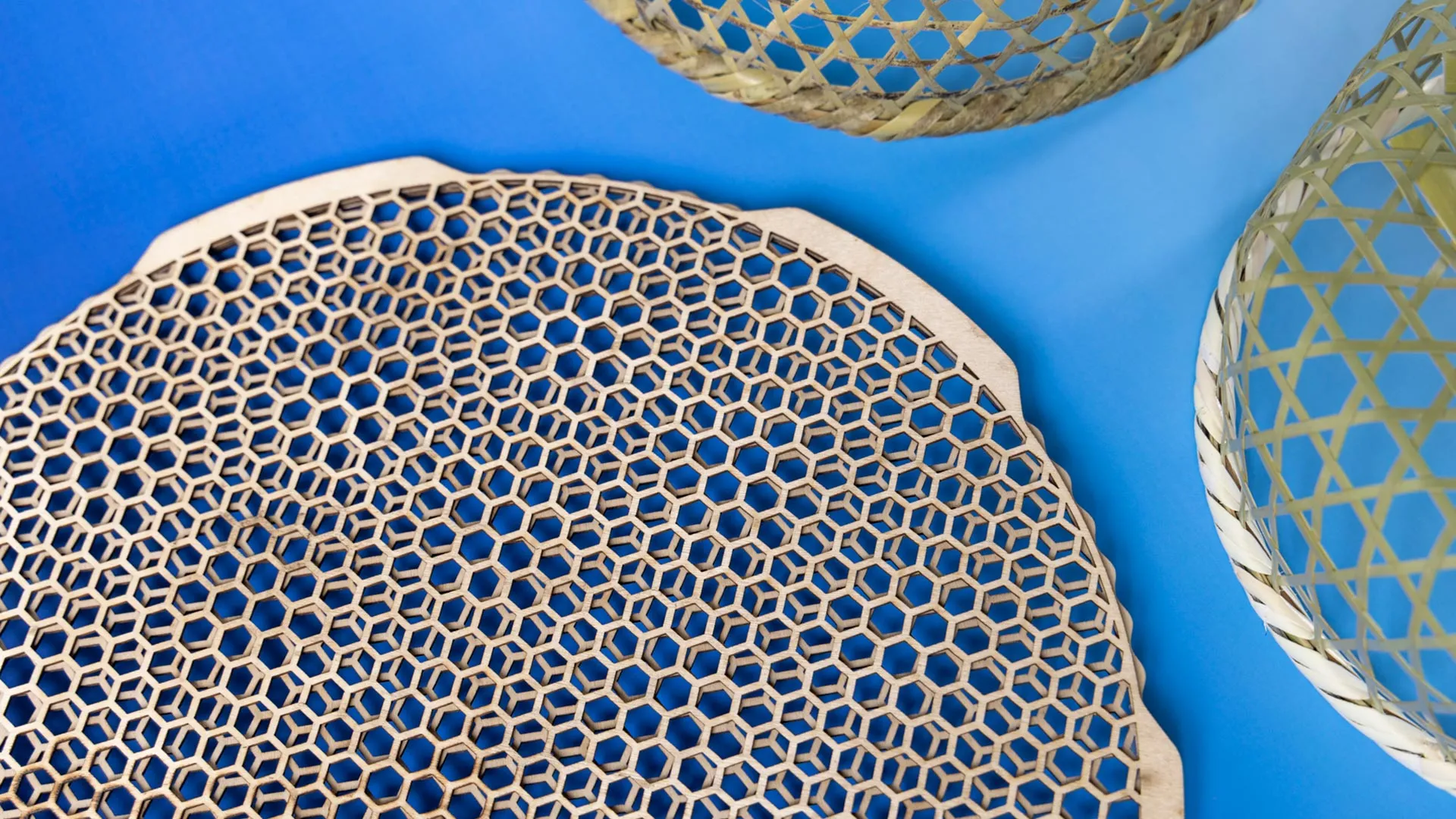
Both materials owe their superconductivity to a particular arrangement of electrons in what physicists call a kagome lattice, a geometric pattern named after a traditional Japanese basket weave. In such lattices, electrons can form "flat bands" that make them prone to exotic collective behavior, including superconductivity. Hunting for those patterns by hand across the enormous space of possible materials is painfully slow, which is where the machine came in.
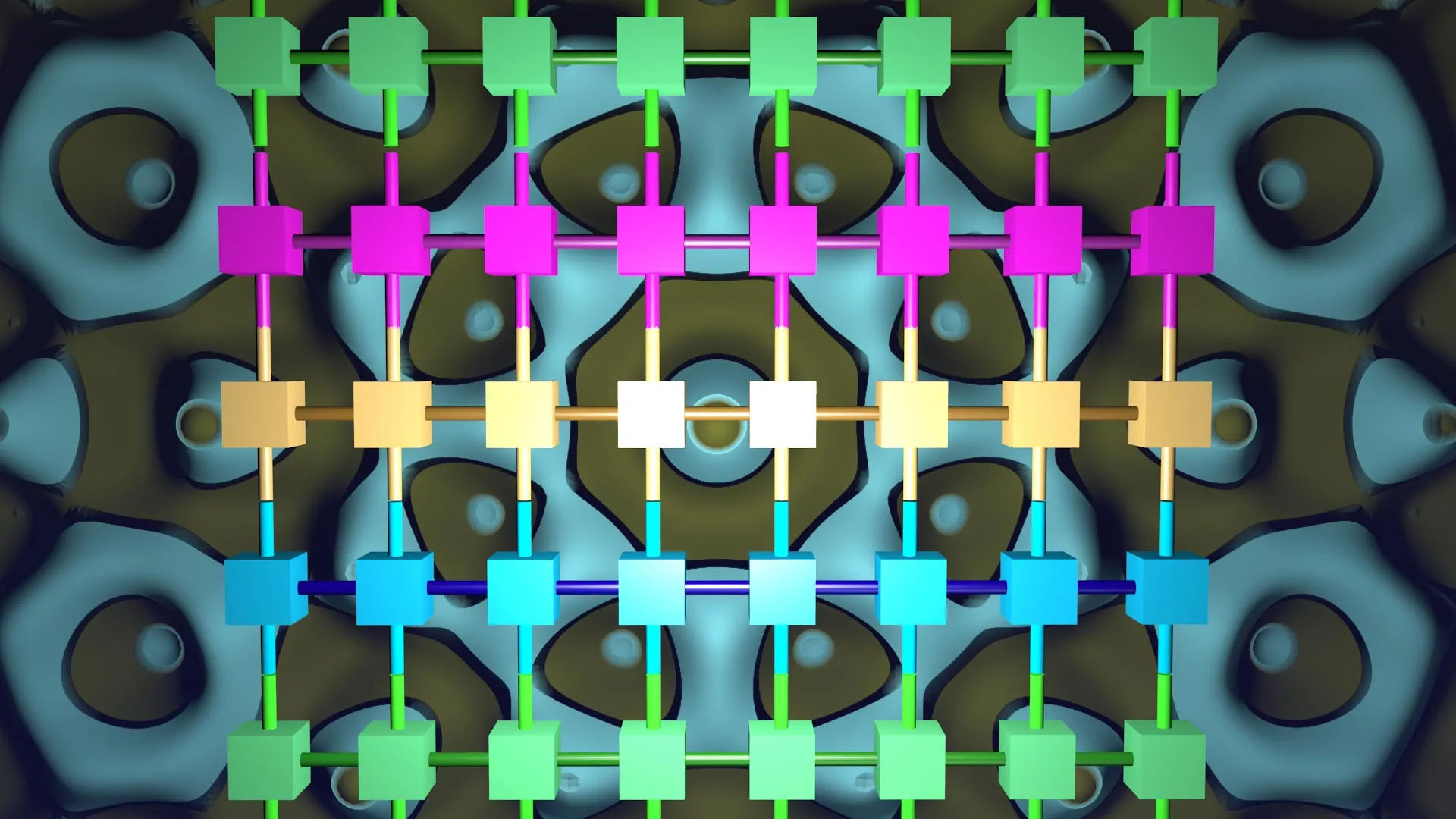
The team's approach used machine-learning models to pre-screen vast numbers of candidate compounds, flagging the most promising, and then applied targeted quantum-mechanical calculations only to that short list. The winning candidates were then actually synthesized in the lab and verified experimentally. "Our method uses machine-learning-based pre-screening followed by targeted calculations on the promising candidates," Törmä said, describing a pipeline that could compress years of trial and error into a fraction of the time.
The discovery is part of the SuperC consortium, an international collaboration launched in 2023 with an audacious goal: to find a room-temperature superconductor by 2033. A material that superconducted at everyday temperatures would be transformative, enabling lossless power grids, cheaper medical imaging, and magnetically levitated transport without the elaborate cooling that today's superconductors demand. The two new compounds will not power anything practical on their own, but the method that unearthed them may be the more valuable prize — a search engine for the physics of the possible.