A Strange LIGO Signal May Be the First Real Fingerprint of 'Primordial' Black Holes From the Dawn of Time
Physicists say a collision between two objects lighter than the Sun, detected last November, could point to black holes born in the first instant after the Big Bang — and to the identity of dark matter.
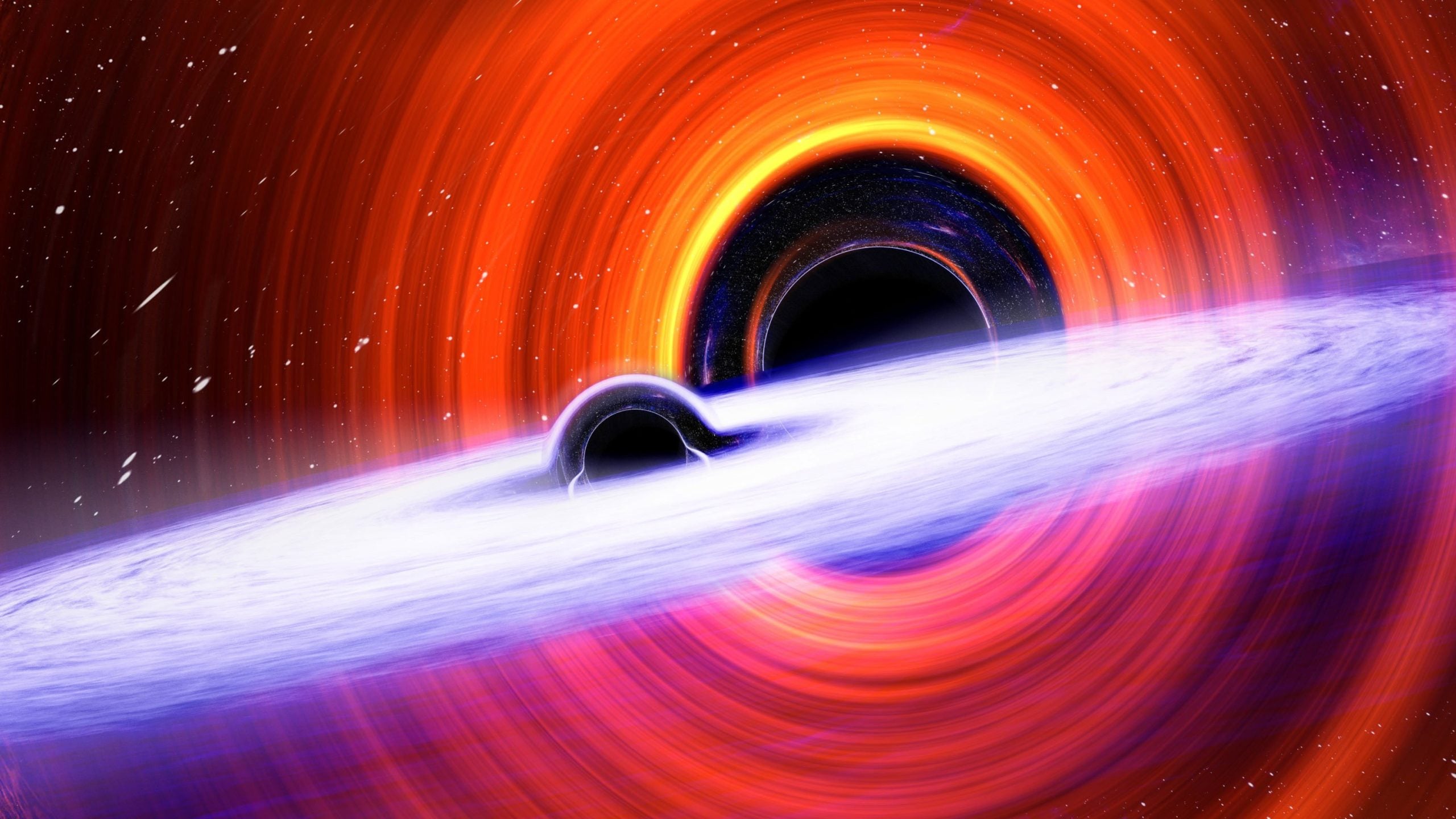
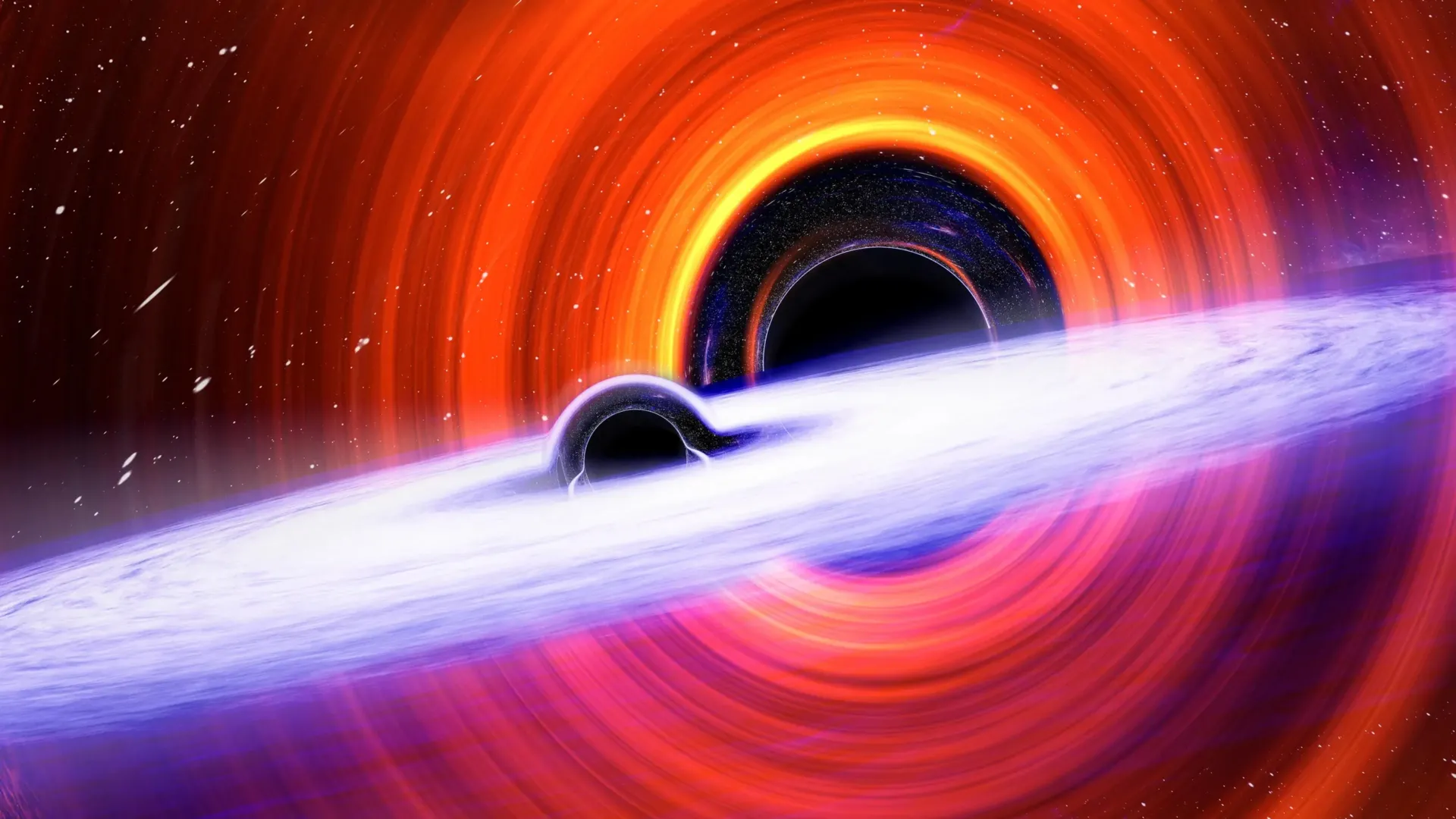
A faint, unusual ripple in spacetime detected by the LIGO gravitational-wave observatory has reignited one of the most tantalizing ideas in modern cosmology: that some of the universe's black holes were not born from dying stars, but forged in the chaotic first fraction of a second after the Big Bang. If confirmed, the finding could also crack the enduring mystery of dark matter.
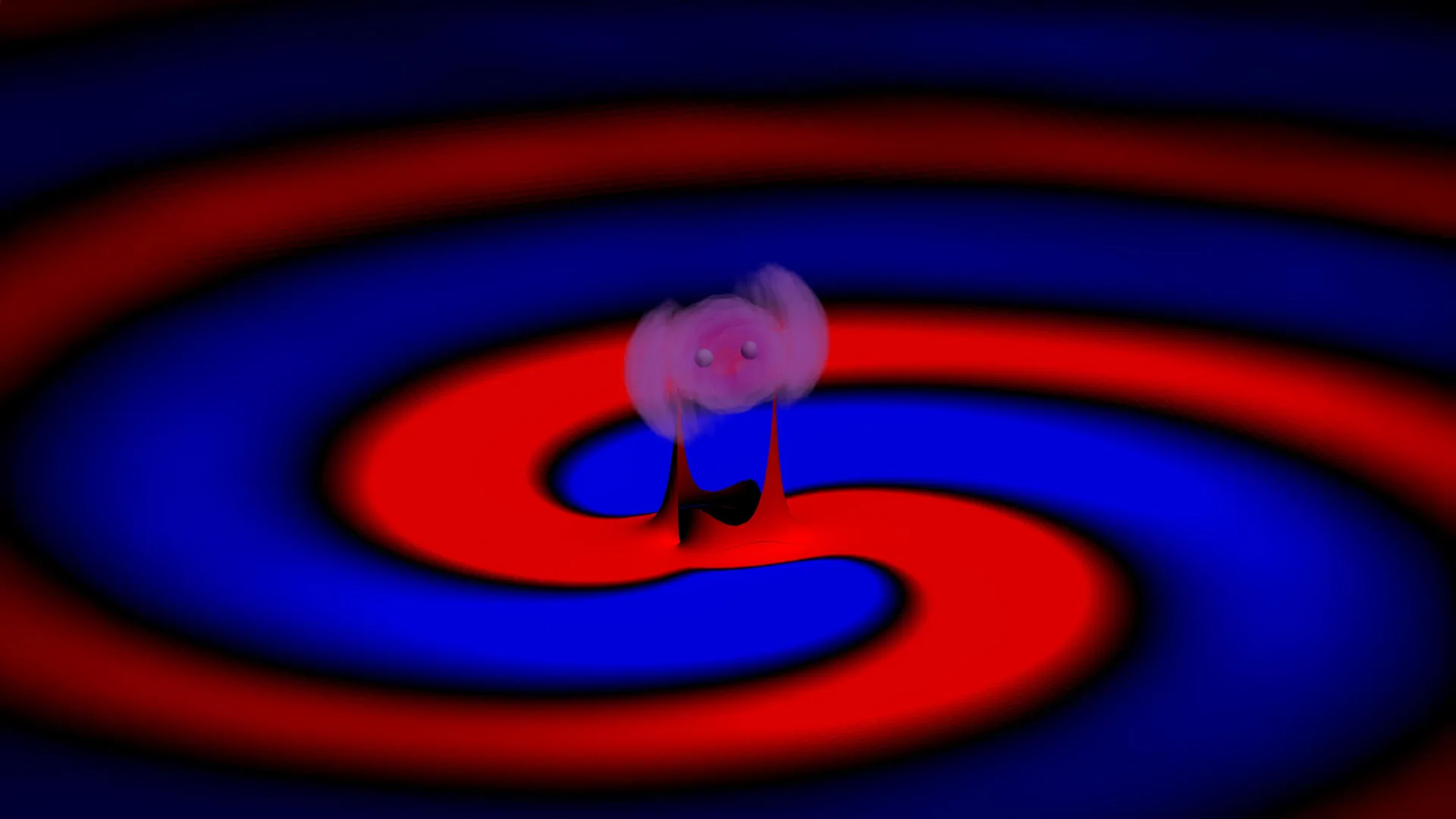
The signal, recorded last November, is strange because of the masses involved. Gravitational-wave detectors normally register mergers of black holes and neutron stars weighing several times the mass of the Sun. This event appears to have involved at least one object weighing less than a single solar mass — far too light to be an ordinary black hole formed by a collapsing star, which physics dictates should be considerably heavier. That anomaly is precisely what makes the detection so intriguing.
Researchers at the University of Miami, led by associate professor Nico Cappelluti and Ph.D. student Alberto Magaraggia, argue that the object could be a primordial black hole — a hypothetical class of black hole thought to have formed in the extraordinarily dense, turbulent conditions of the infant universe, long before the first stars or galaxies existed. Unlike their stellar cousins, primordial black holes could span an enormous range of masses, from asteroid-sized specks to far larger bodies. "We believe our study will aid in confirming that they actually do exist," the team wrote.
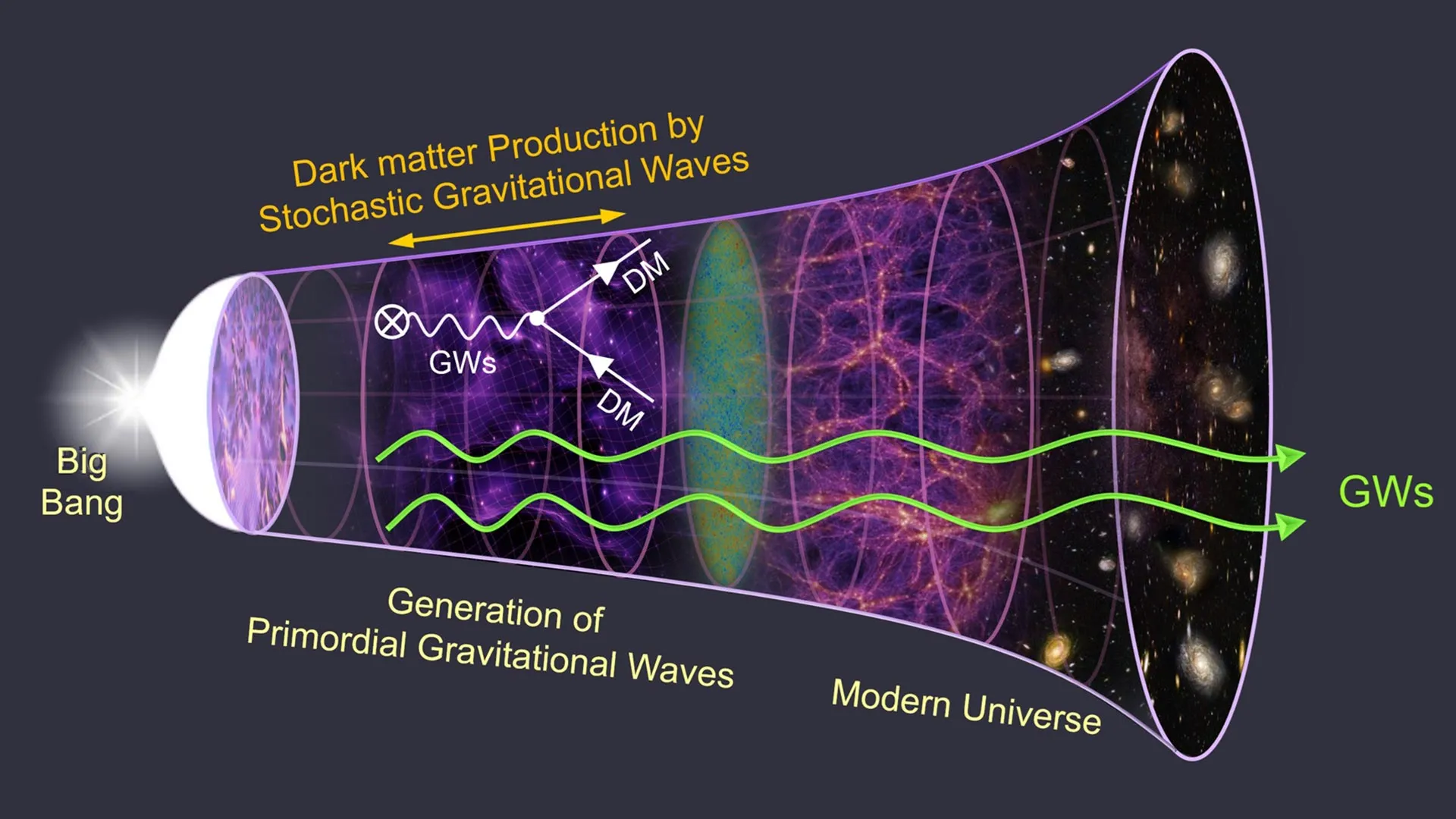
The implications reach well beyond black-hole physics. Dark matter, the invisible substance that makes up roughly 85 percent of all matter in the cosmos, has never been directly detected despite decades of searching for exotic new particles. Primordial black holes offer an appealing alternative: if they exist in sufficient numbers, they could account for a significant fraction — perhaps even all — of dark matter, without requiring any new particle physics at all. That would be a profound reordering of a problem that has frustrated physicists for generations.
For now, the researchers stress caution. The signal remains preliminary, and teams are continuing to scrutinize the data to determine whether it truly represents a subsolar-mass object or an artifact that mimics one. Distinguishing a genuine primordial black hole from an "impostor" is notoriously difficult, and extraordinary claims will demand extraordinary evidence. But with detectors growing more sensitive and catalogs of gravitational-wave events swelling into the hundreds, scientists are increasingly optimistic that, if these relics of the Big Bang are out there, the next few years may finally bring them into view.