Physicists Extend the Life of Magnetic 'Magnons' 100-Fold, Opening a Path to Penny-Sized Quantum Computers
A Vienna-led team kept the tiny magnetic waves alive for 18 microseconds, showing their fragility was never a law of nature — just a matter of material purity.

Physicists have found a way to keep an elusive kind of magnetic wave alive nearly a hundred times longer than ever before, a breakthrough that could shrink the guts of a quantum computer down to the size of a one-cent coin.
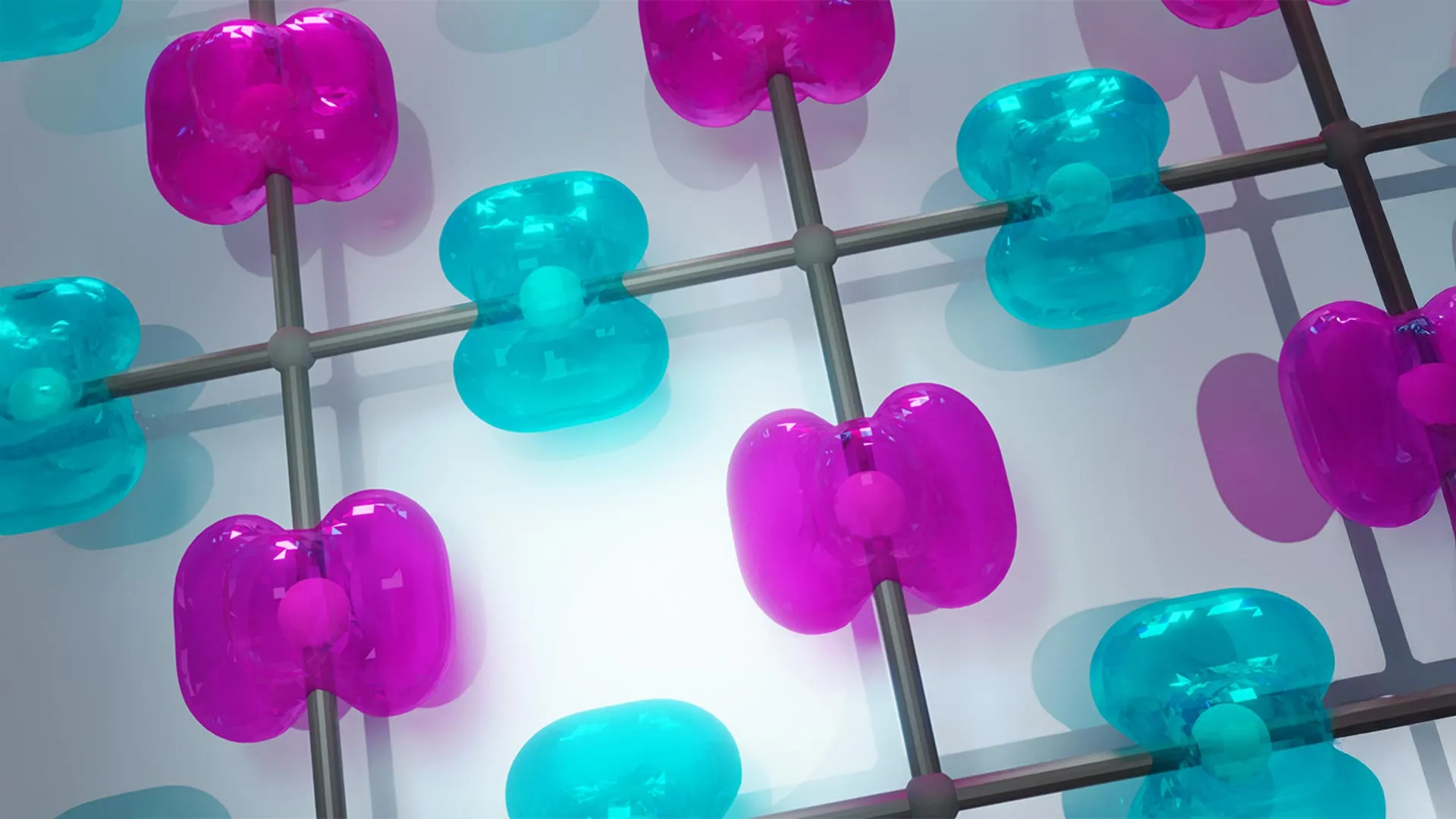
The waves are called magnons — ripples of magnetism that travel through a material as the tiny magnetic moments of its atoms swing in sync, a bit like a stadium wave rolling through a crowd. Physicists have long been intrigued by magnons because they could shuttle quantum information across a chip. The problem was their lifespan: until now, magnons flickered out after at most a few hundred nanoseconds, far too short to be useful.
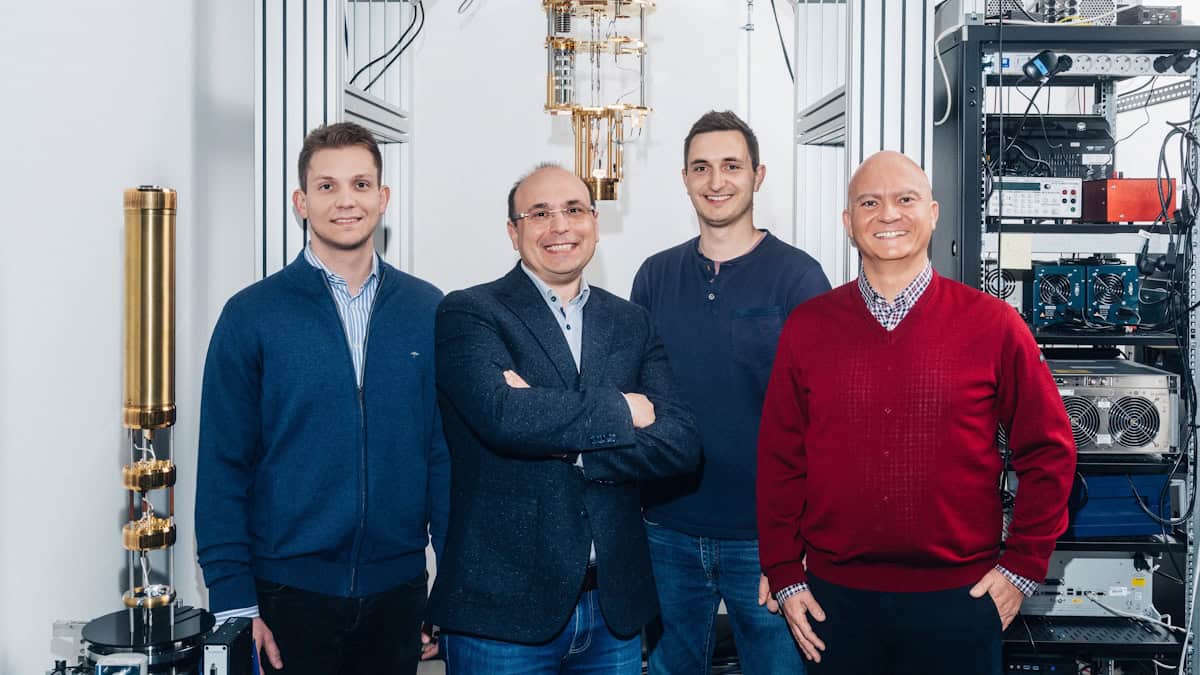
An international team led by Andrii Chumak at the University of Vienna smashed that barrier, measuring magnon lifetimes of up to 18 microseconds — almost 100 times longer than any value recorded before. The results were published in the journal Science Advances. The team achieved the feat using ultra-pure spheres of yttrium iron garnet, a synthetic crystal prized for its magnetic properties, cooled to a frigid 30 millikelvins, a hair above absolute zero.
The most important finding was not the number itself but what it revealed about why magnons die. The researchers showed that the short lifetime was never dictated by a fundamental law of physics. Instead, it came down to the purity of the material — impurities and defects were bleeding away the energy. Clean up the crystal, and the magnons persist. "It is a question of materials, not of physics," the team's work suggests, meaning there is room to push lifetimes even further.
That distinction matters enormously for engineers. With lifetimes of 18 microseconds, magnons stop being lossy, throwaway intermediaries and start behaving like robust quantum memories and low-loss communication links etched directly onto a chip. In principle, a single magnon channel could connect hundreds of quantum bits along a shared pathway — a long-sought "quantum bus" that has been one of the hardest components to build.
If the approach scales, it could help solve one of quantum computing's central engineering headaches: wiring together large numbers of qubits without drowning them in noise. The researchers say the work paves the way toward compact, magnon-based quantum processors, potentially collapsing hardware that today fills a room into a device roughly the size of a penny. Considerable challenges remain before such machines exist, but the result reframes what once looked like a dead end as an open road.