A Strange LIGO Signal May Be the First Sign of Black Holes Born at the Dawn of Time
A gravitational wave from an impossibly light object has scientists asking whether primordial black holes could explain dark matter.
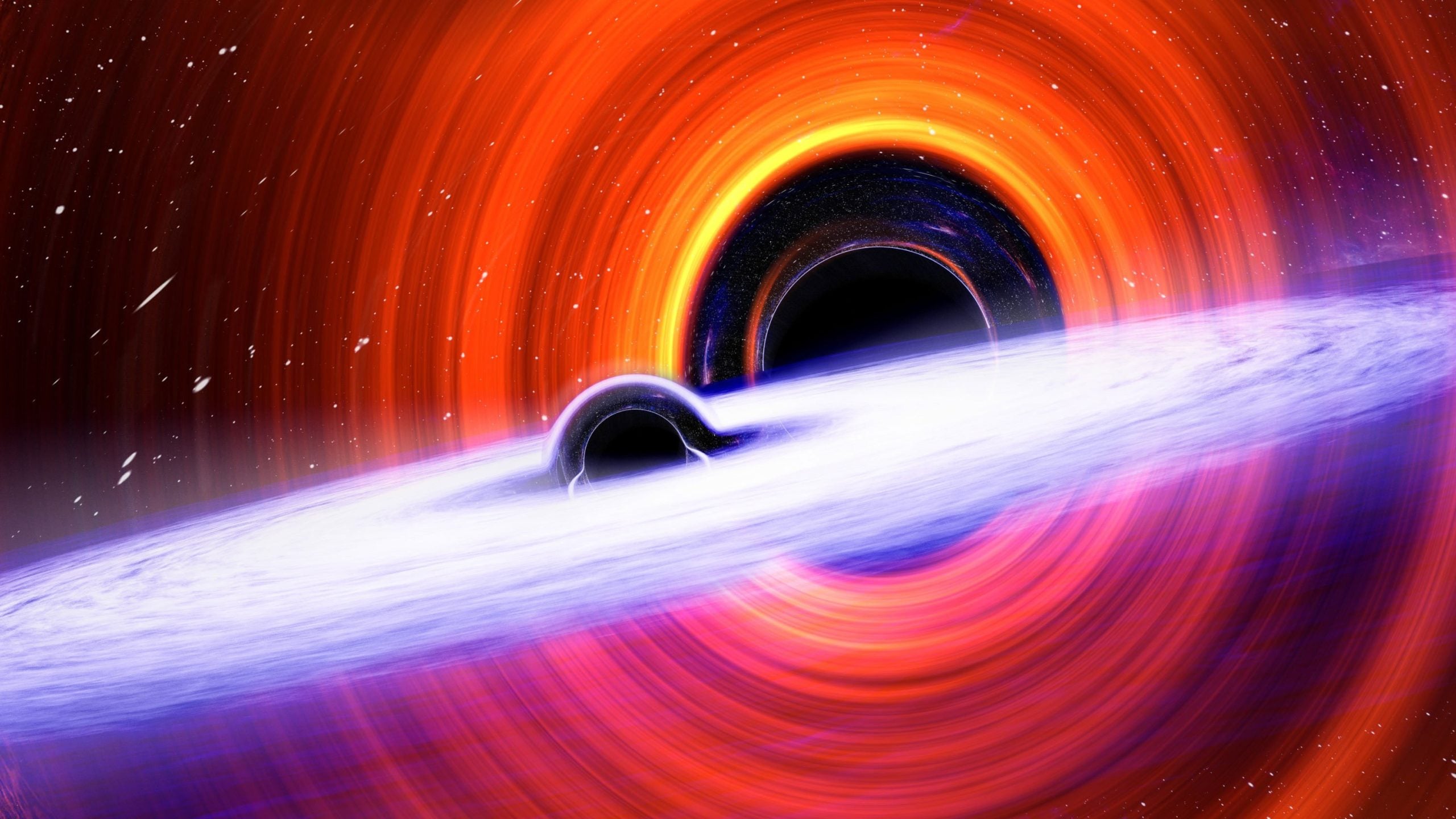
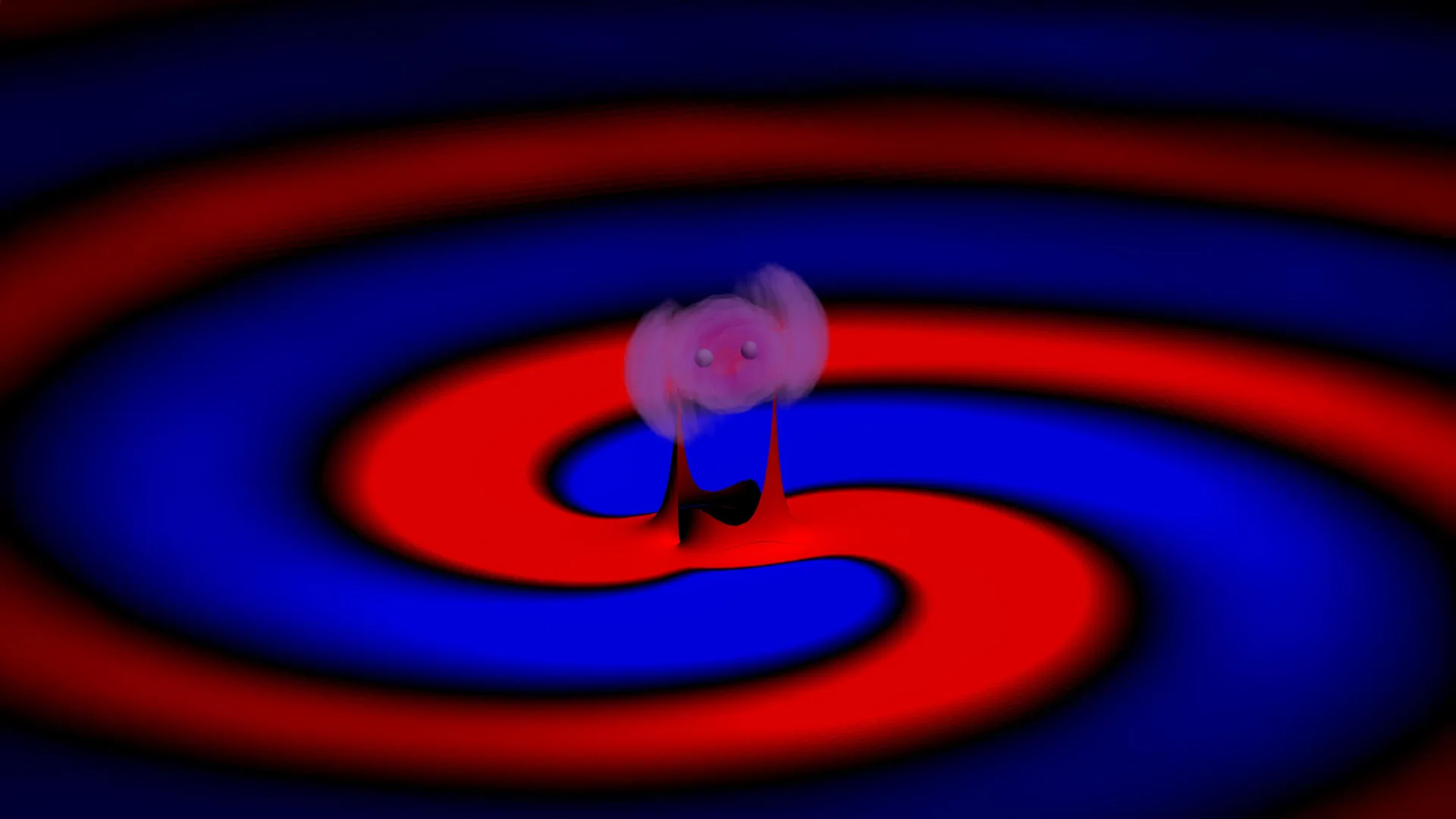
A peculiar gravitational wave captured by the LIGO observatory could turn out to be the first real evidence for one of cosmology's most tantalizing ideas: black holes that formed in the first fraction of a second after the Big Bang, long before the first stars ignited.
The signal, recorded in November 2025, stood out because at least one of the objects involved in the collision appeared to weigh less than a single sun. Conventional black holes are born when massive stars collapse and explode as supernovae, a process that produces objects with a minimum mass of roughly 1.4 times that of the sun. An object below that threshold cannot easily be explained by ordinary stellar evolution — which is precisely what makes the detection so provocative.
Researchers at the University of Miami, led by associate professor Nico Cappelluti and Ph.D. student Alberto Magaraggia, argue that the most compelling explanation may be a primordial black hole, a relic forged in the extreme densities of the infant universe. Their analysis was published in The Astrophysical Journal. If such objects exist in sufficient numbers, the team suggests, they could account for a significant portion — perhaps even all — of the mysterious dark matter that makes up most of the universe's mass yet has never been directly observed.
Cappelluti was careful to temper excitement with scientific caution. "LIGO picked up what is very strong evidence that these types of black holes exist," he said. "But we'll need to detect another such signal or even several others to get the smoking-gun confirmation." A single unusual event, however striking, is not enough to overturn decades of dark-matter theorizing; the case will stand or fall on whether similar sub-solar-mass collisions keep showing up in the data.
The stakes are considerable. Dark matter has eluded physicists for nearly a century, and most searches have focused on hypothetical undiscovered particles. Primordial black holes offer a radically different candidate — one that requires no new particle at all, only that gravity behaved in unexpected ways in the universe's earliest instants. As LIGO and its partner detectors grow more sensitive, astronomers will be watching closely for the next faint ripple in spacetime that could confirm whether these dawn-of-time objects are real, and whether they hold the answer to what the cosmos is truly made of.