Colombia's Quake Toll Passes 70 After a 7.4 Ruptured 66 Miles Underground and Flattened Buildings 250 Miles Away
The U.S. Geological Survey put the epicenter beneath San Jose del Palmar in the jungle department of Choco. The deaths are concentrated in Cali, Pereira and the coffee belt.

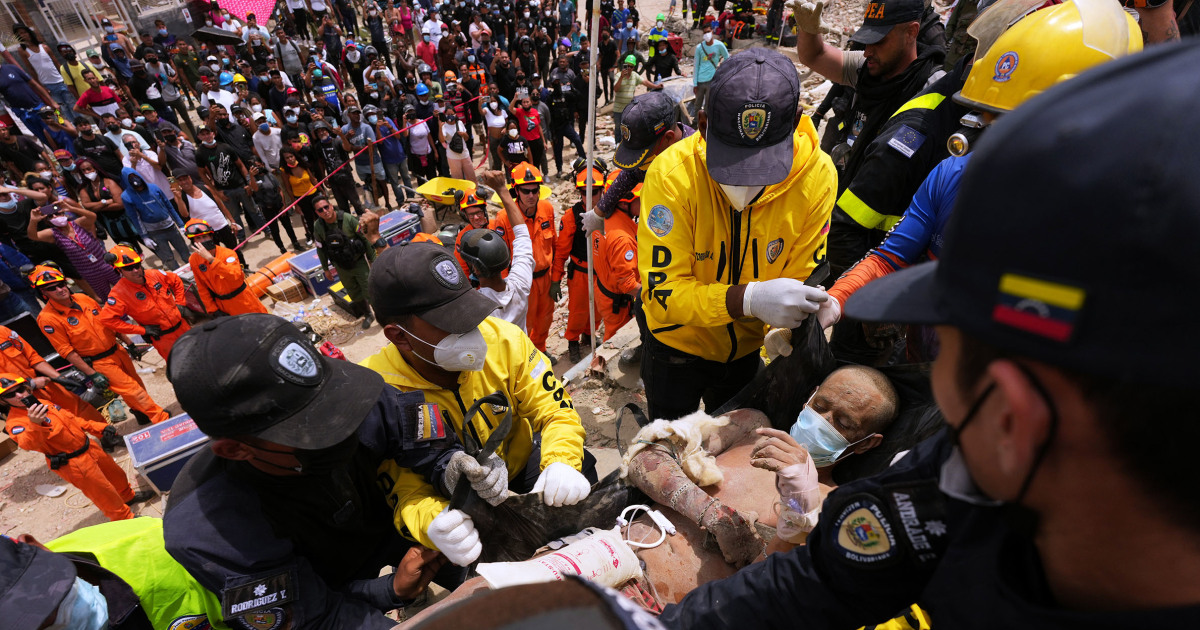
A magnitude 7.4 earthquake tore through western Colombia at 7:34 a.m. local time Monday, killing at least 74 people and collapsing buildings in cities hundreds of miles from the epicenter, according to a running tally kept by CNN. The confirmed toll stood at 47 by midday and climbed through the afternoon as rescue crews reached buildings that had come down with people inside.
The U.S. Geological Survey located the rupture beneath San Jose del Palmar, a remote municipality in the department of Choco roughly 250 miles west of Bogota, at a depth of about 107 kilometers — some 66 miles down. That depth is why the shaking traveled so far. Colombia's own seismic network initially put the event at 6.6 before the larger figure settled. A magnitude 5.0 aftershock followed less than an hour later.
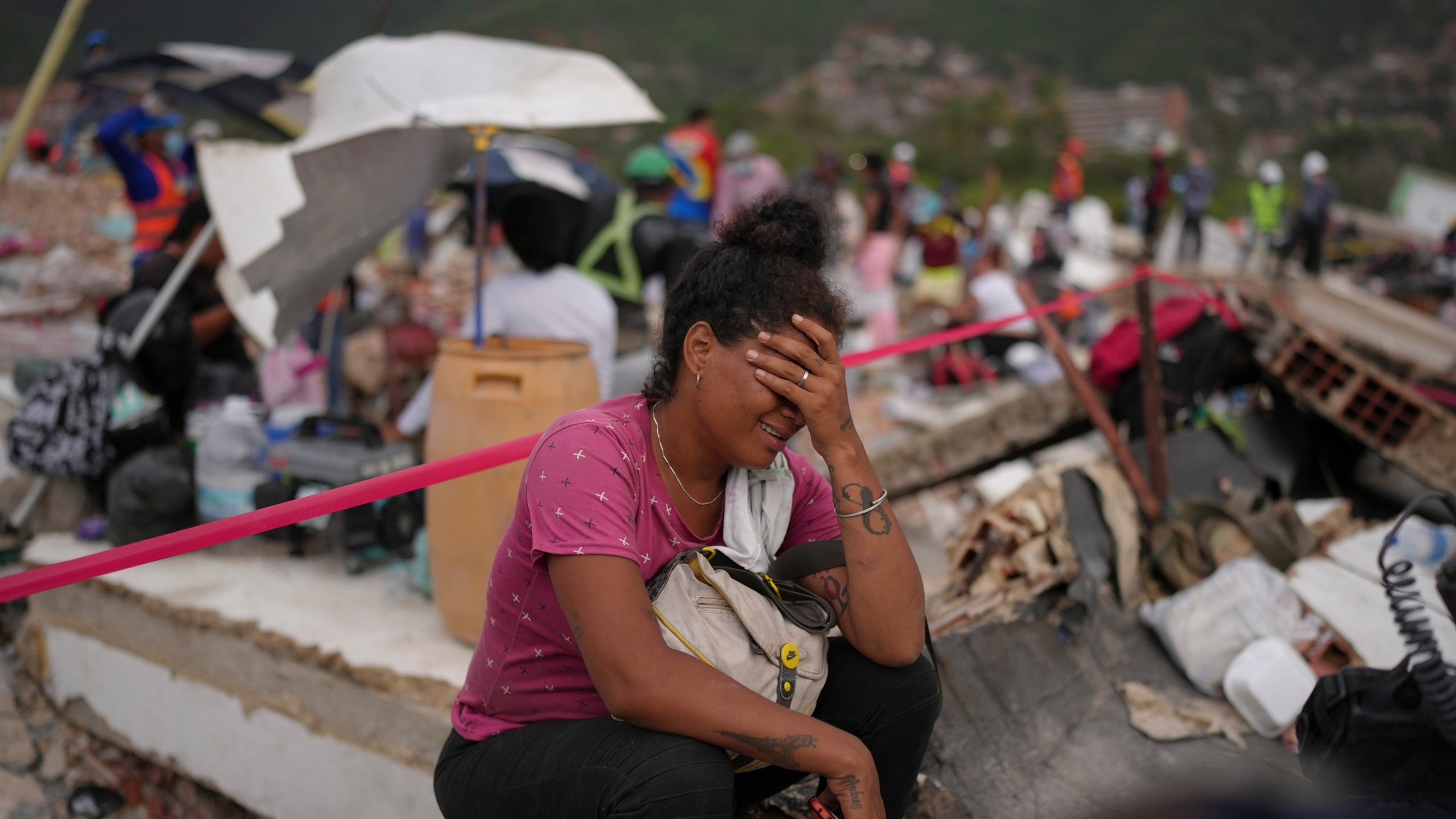
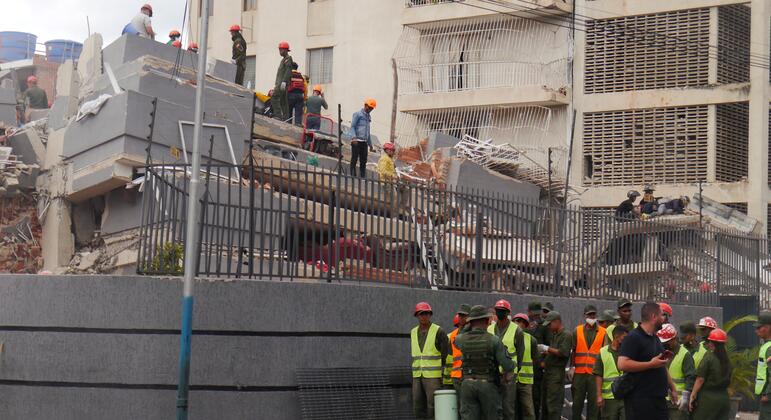
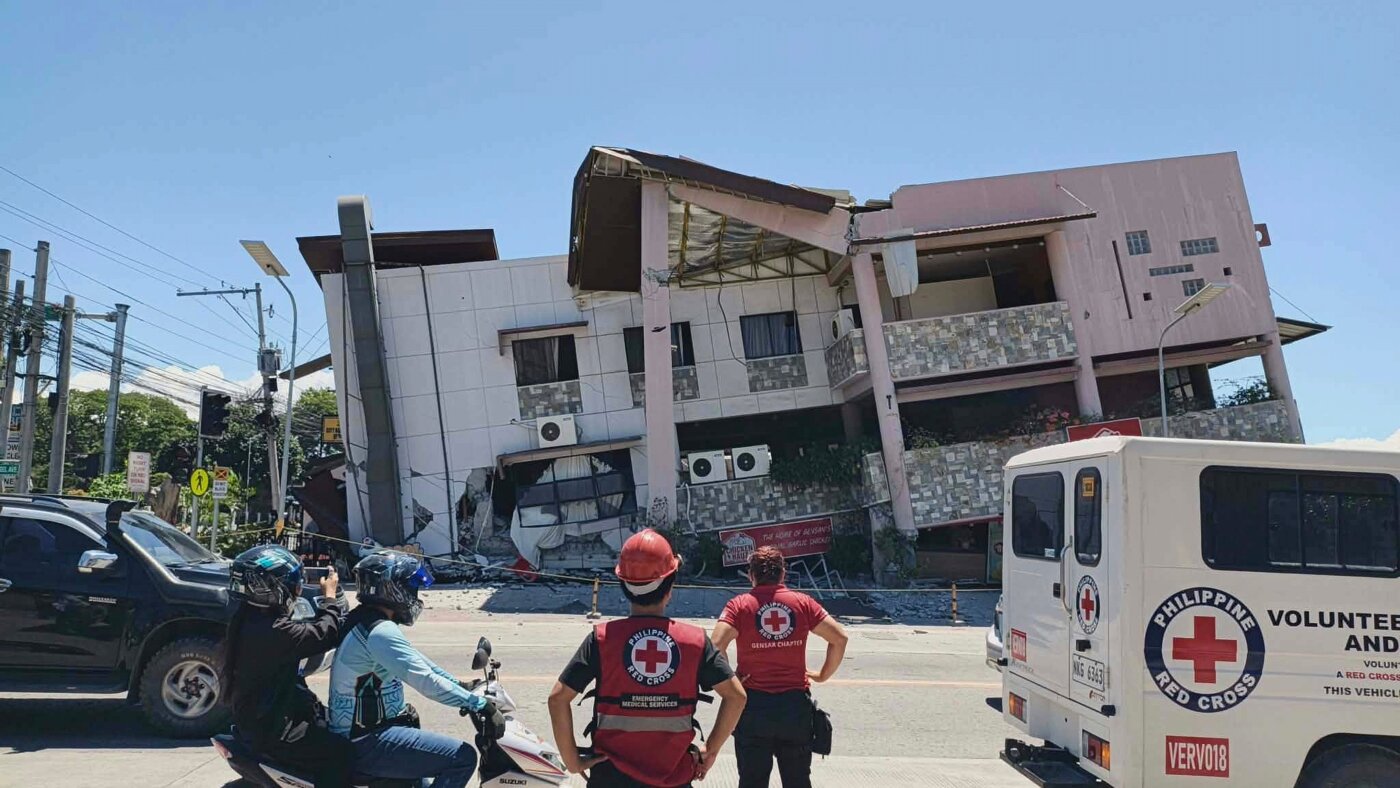
The casualties clustered in the coffee-growing highlands and the Cauca Valley rather than near the epicenter itself. Pereira, the capital of Risaralda and the heart of Colombia's coffee axis, reported 18 dead, Mayor Mauricio Salazar said. Twenty-seven deaths were counted across the department of Valle del Cauca and two in Manizales. In Cali, one of Colombia's largest cities, more than two dozen structures came down, and residents remained trapped in the rubble hours after the shaking stopped.
Manizales lost more than a dozen buildings and upward of 20 homes, Mayor Jorge Eduardo Rojas said, and one tower of the city's neo-Gothic cathedral — a landmark of reinforced concrete finished in the mid-twentieth century — collapsed. In Armenia, engineers ordered evacuations of buildings judged unsafe. Medellin suspended its metro system so crews could inspect the elevated track and stations. No tsunami warning was issued, and the shaking was felt as far as the Caribbean coast near Barranquilla and across the border in Ecuador.
Bogota escaped largely intact. "No serious structural damage has been reported in Bogota, so our resources are at the service of the country," Mayor Carlos Fernando Galan said, freeing the capital's emergency units to move west. In Choco itself, Governor Nubia Carolina Cordoba-Curi said damage assessments were still underway in the departmental capital of Quibdo and warned that the sequence was not over. "We are concerned about aftershocks," she said.
The disaster landed on a government that is days old. President Abelardo de la Espriella, the right-wing lawyer who won June's runoff and was inaugurated last week in Cali under heavy military guard, took charge of the response and began traveling to the affected departments. Secretary of State Marco Rubio said Washington "stands ready to support the people of Colombia."
Colombia sits where the Nazca plate grinds beneath the South American plate, and deep intraslab earthquakes of this kind are a recurring hazard along the Pacific margin. The country's deadliest modern quake struck the Armenia region in 1999 and killed roughly a thousand people. Monday's event is the second major seismic disaster in northern South America this summer, after a quake in Venezuela in late June that killed thousands and left tens of thousands unaccounted for.