Trump Says the Navy Has Total Control of Hormuz and Wants Iran to Pay for 50 Years of Damage. Oil Jumped 5%
Tehran's price for reopening the world's most important oil chokepoint was reparations and sanctions relief. Trump's counteroffer was a bill of his own, and Brent crude blew past $87.
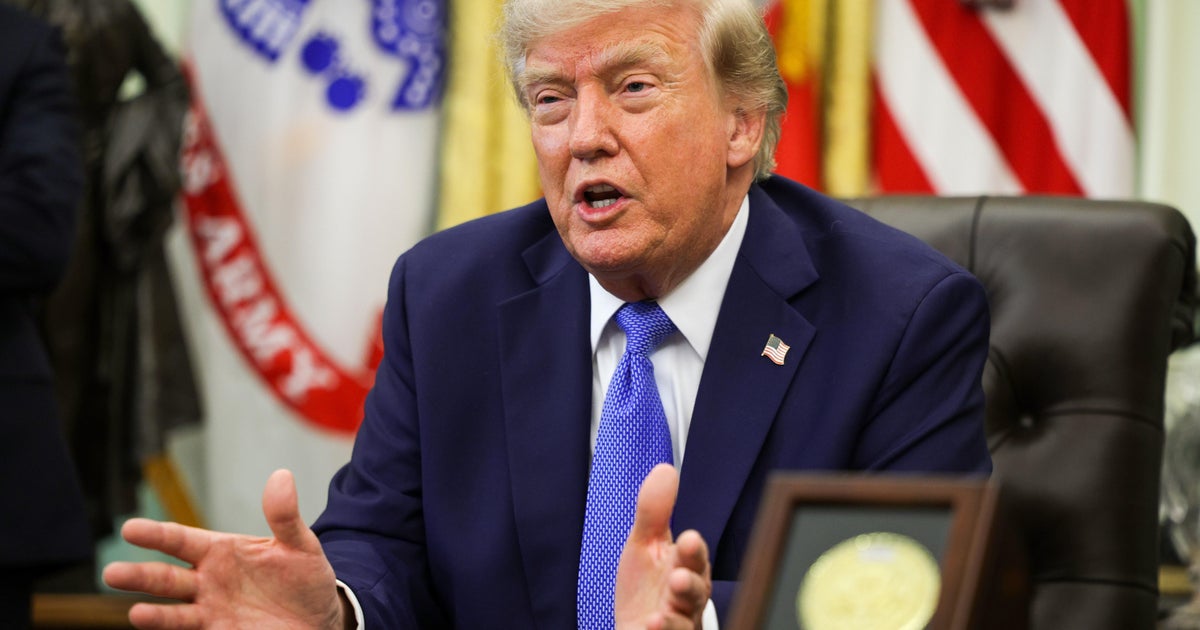
President Donald Trump answered Iran's terms for reopening the Strait of Hormuz on Monday with a demand of his own: that Tehran write a check covering half a century of what he called damage done to Americans and to the region. The response hardened a stalemate that has kept roughly a fifth of the world's seaborne oil and liquefied natural gas bottled up since February, and it sent crude sharply higher.
"We're going to ask for money for the damage they've done over a 50-year period," Trump said at the White House, saying the figure would cover deaths among both civilian demonstrators inside Iran and U.S. forces stationed across the region. "So if there's damages to be paid, I think Iran should pay those damages." In a Truth Social post he widened the claim further, writing that "Iran should be responsible for the damages and death caused to the people of Lebanon, Syria, Yemen, and Gaza!"
Some of the specifics Trump attached to the demand do not match the available record. He put the number of protesters killed in Iranian government crackdowns during late 2025 and 2026 at roughly 52,000; the U.S.-based Human Rights Activists News Agency counted about 7,000 deaths as of February, of whom roughly 6,500 were protesters. He also said Iran should compensate the families of the 17 American sailors killed aboard the USS Cole in the October 2000 attack in Yemen, an operation that U.S. investigators attributed to al Qaeda rather than to Tehran.
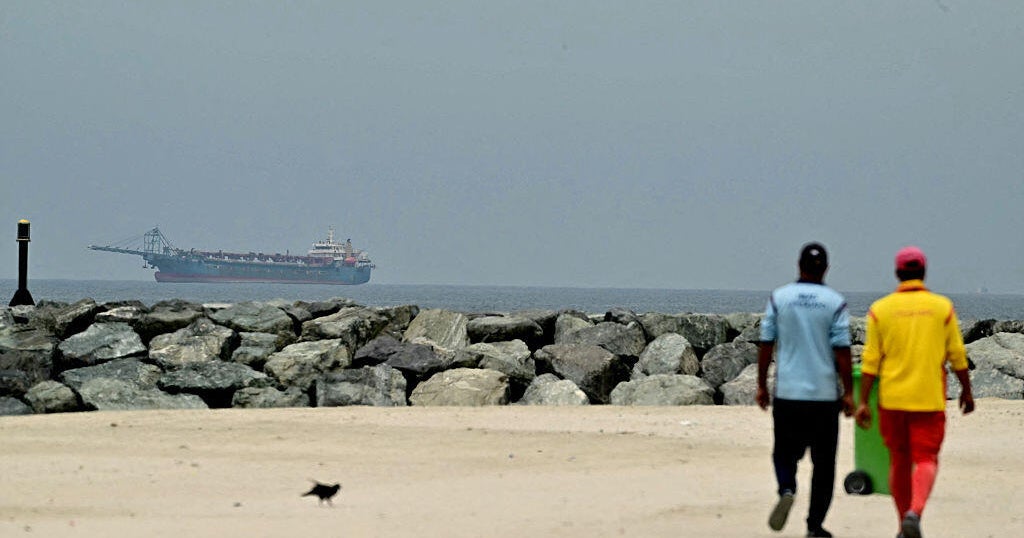
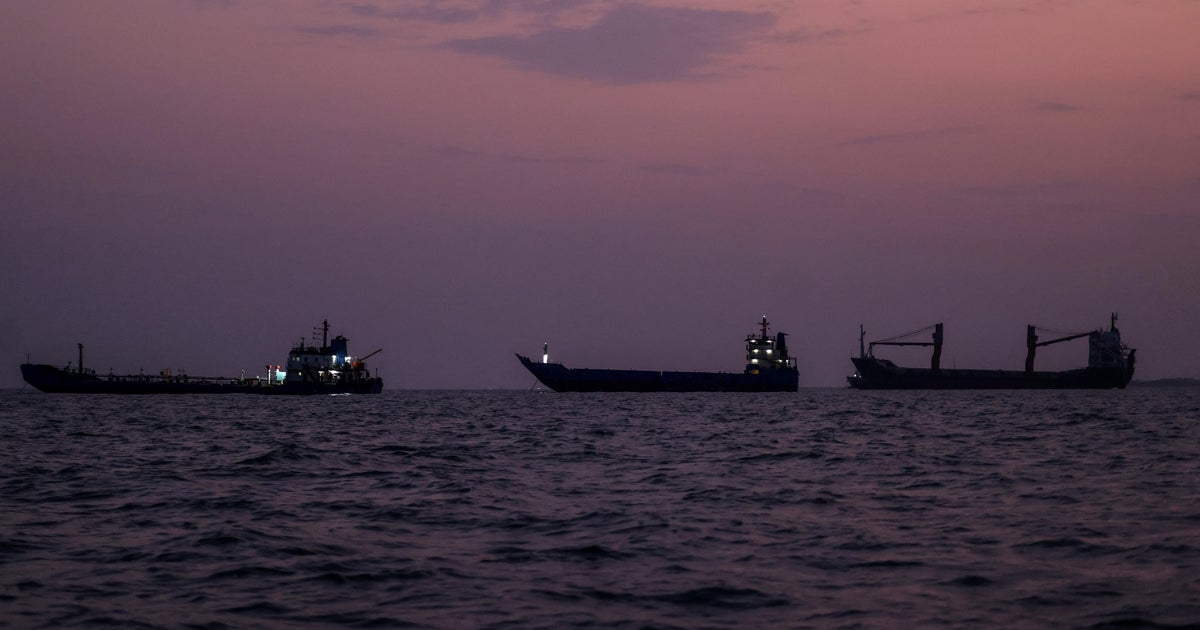
Markets took the exchange as evidence that no deal is close. Oil settled 5% higher Monday, and by Tuesday morning Brent crude had pushed past $87 a barrel while the U.S. benchmark cleared $82. Gulf shipping traffic through the strait has collapsed to a handful of transits a day. U.S. Central Command says it has redirected 55 vessels linked to Iran since reinstating the naval blockade in July, and Trump described the Navy's grip on the waterway as effectively complete and the blockade itself as infallible.
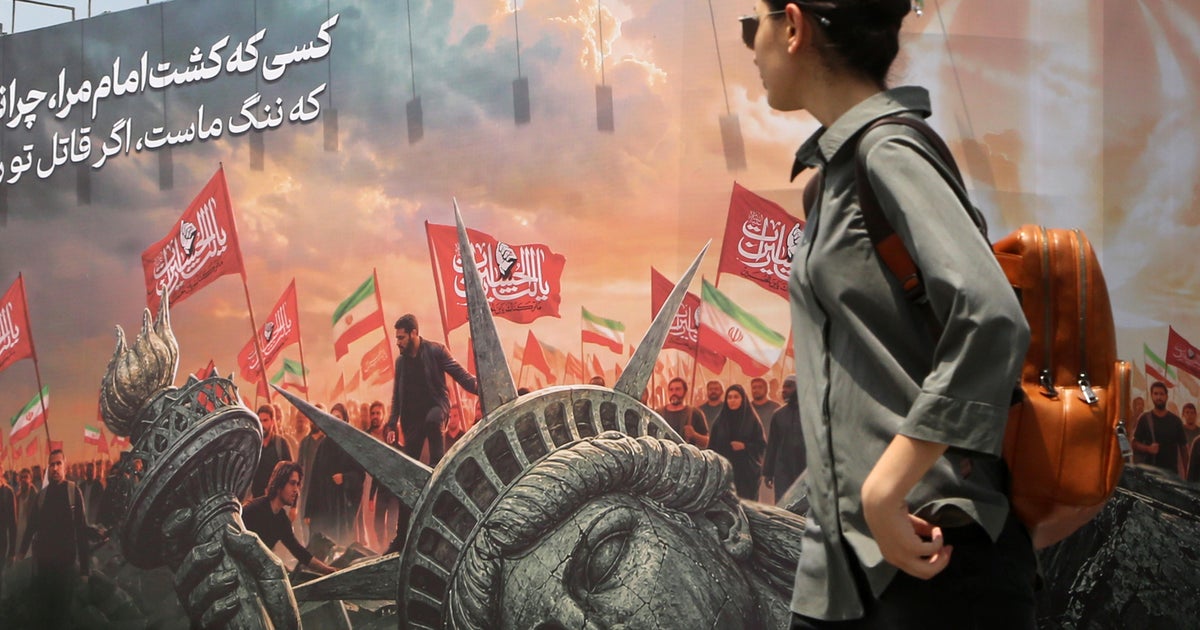
Iran's list of conditions is no shorter. Officials in Tehran have said the strait stays shut until Washington permanently ends the war against Iran and its regional allies, stops threatening the country, lifts the blockade of Iranian ports, compensates Iran for war damage, drops sanctions and unconditionally releases frozen and seized assets. Each side has now formally demanded reparations from the other, which is the central reason mediators are struggling.
Those mediators have not given up. Pakistan's interior minister, Mohsin Raza Naqvi, arrived in Tehran on Tuesday for talks with Iranian officials, according to Iran's MEHR news agency. Pakistan has been working alongside Oman and Qatar throughout the conflict. Pakistan's defense minister, Khawaja Asif, told Bloomberg that signals over the past several days point the other way from Trump's rhetoric. "Things are shaping up again in favor of a peace arrangement or a deal," Asif said, describing the two governments as approaching some sort of arrangement.
The wider theater stayed violent while the talking continued. A cargo vessel near the Bab el-Mandeb Strait was struck by an unidentified projectile, and the Greek maritime firm Marisks reported three crew deaths, two Pakistani nationals and one Indonesian. Iranian-backed Houthi forces attacked the Yemeni port city of Mokha and Marib province with missiles and drones. In southern Lebanon, Israeli strikes wounded two people and damaged an ambulance, drawing a statement from Lebanon's health ministry condemning what it called the continued targeting of rescue teams.