Iran War Enters Fourth Week With No End in Sight: Hormuz Closed, Oil Above $108, 3,000 Ships Stranded
U.S. and Israeli forces have struck more than 8,000 Iranian targets since February 28, but the Strait of Hormuz remains effectively closed, pushing global oil prices to their highest levels since 2022 and triggering the largest emergency petroleum reserve release in history.
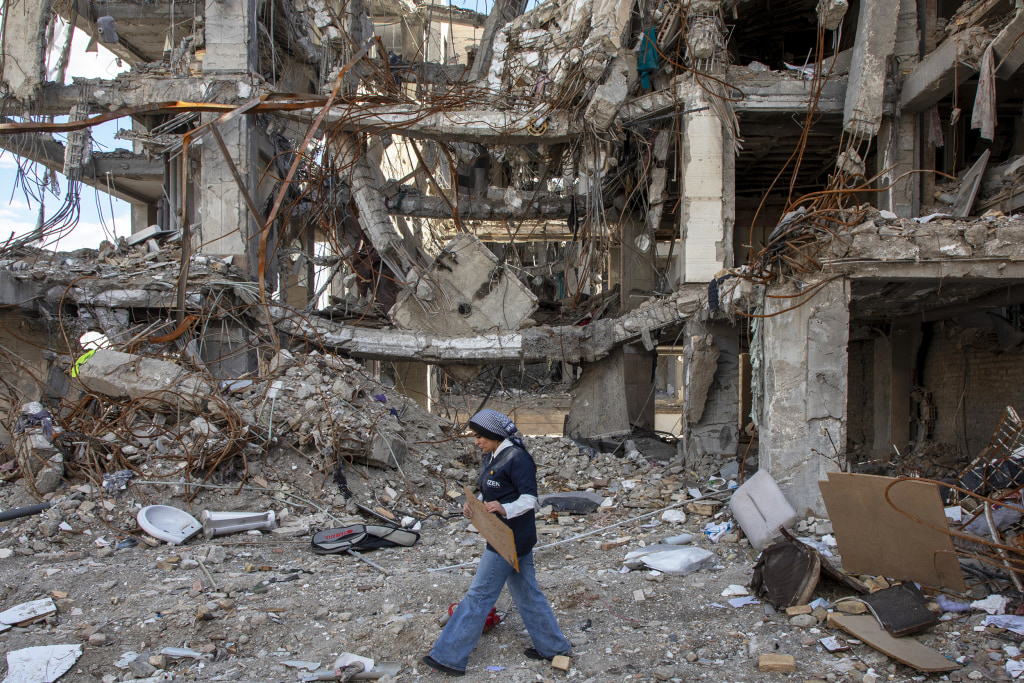
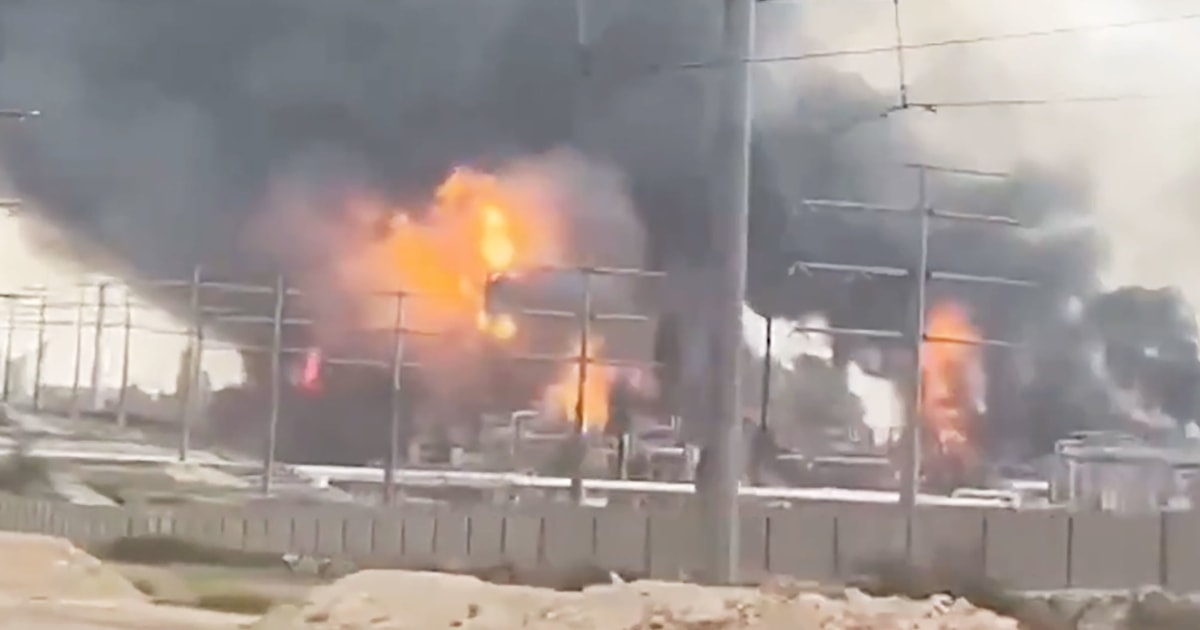
The United States-Israel war against Iran entered its fourth week Saturday with no end in sight, as the Strait of Hormuz remained effectively closed to commercial shipping and crude oil prices held above $108 per barrel — levels not seen since 2022 and already delivering a painful shock to the global economy. The U.S. military confirmed that American and Israeli forces have struck more than 8,000 Iranian military targets since operations began on February 28, including 130 Iranian vessels, 1,400 missile batteries, and dozens of radar installations. U.S. Central Command chief Admiral Brad Cooper said Iran's ability to threaten the strait was "significantly degraded" but emphasized that the threat was not yet eliminated.
President Trump, speaking from Mar-a-Lago on Friday, said his administration was "thinking about winding down" the military campaign after what he called overwhelming success. "We've destroyed their missiles, we've destroyed their defenses, we've protected Israel and everyone else," Trump told reporters. The remarks were immediately undercut when the Pentagon confirmed it was dispatching additional Marines to the region. Israeli Prime Minister Benjamin Netanyahu said Saturday that Israel was "continuing to strike our enemies" and would not accept a ceasefire. Iran's new supreme leader, described by Defense Secretary Pete Hegseth as "likely disfigured" from earlier strikes, vowed to keep the strait blocked until all U.S. and Israeli attacks ceased.
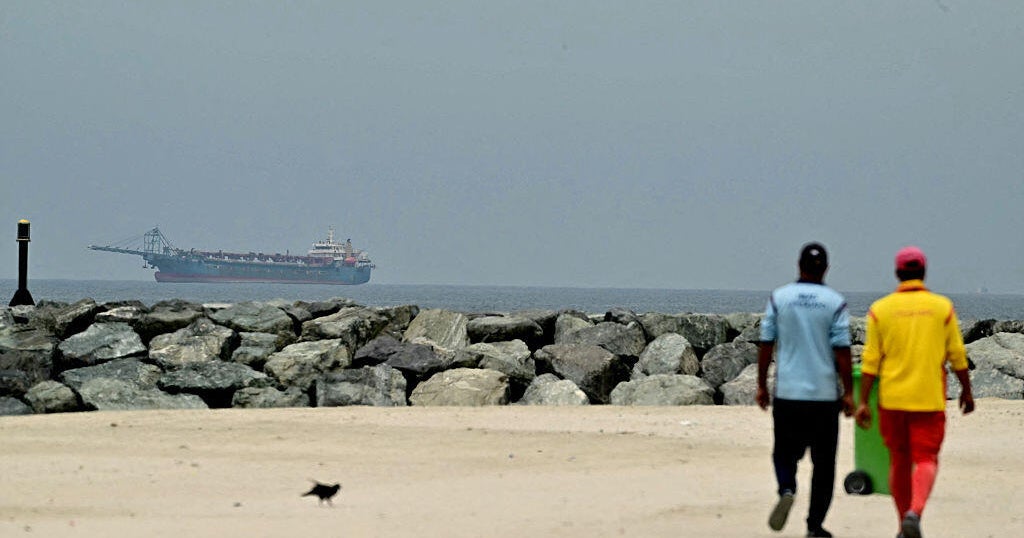
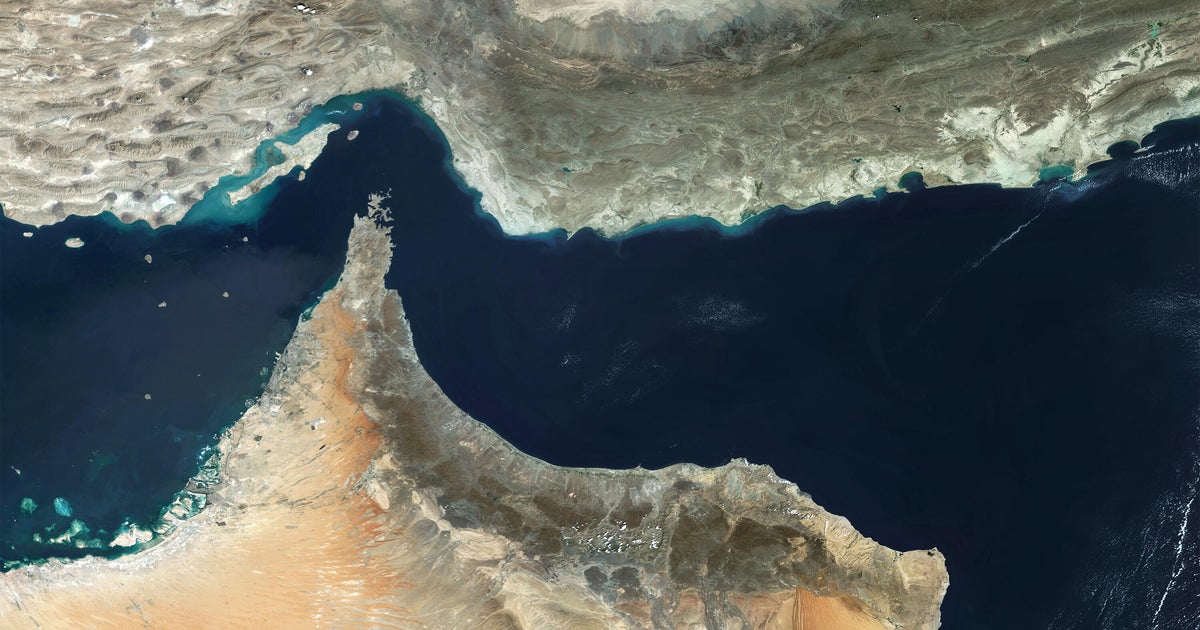
The Strait of Hormuz is one of the world's most critical energy chokepoints. Through it flows approximately 20 percent of global oil and liquefied natural gas — about 15 million barrels per day. Since Iranian forces declared the passage closed on March 4, tanker traffic has collapsed by roughly 70 percent. More than 3,000 vessels remain stranded in the Persian Gulf in what shipping analysts have called "a massive parking lot." Insurance for ships attempting to transit has become nearly unobtainable, with single-voyage premium rates exceeding $10 million. The International Energy Agency described the disruption as "the greatest global energy and food security challenge in history," invoking the language of the 1970s oil crisis.
In response, the Trump administration coordinated the largest emergency petroleum reserve release ever recorded — more than 400 million barrels from 32 nations over 30 days — and temporarily waived Jones Act shipping restrictions to ease domestic fuel distribution. It also granted temporary sanctions relief for Iranian crude already aboard tankers at sea, hoping to add roughly 140 million barrels to global markets through April 19. U.S. gasoline prices have risen nearly a dollar per gallon since February 26, reaching a national average of $3.93 per gallon as of Saturday. Goldman Sachs analysts warned the disruption could persist for months and push Brent crude to $130 a barrel if no diplomatic breakthrough occurs.
Trump repeatedly urged NATO allies, China, and Gulf states to send military assets to help re-open the strait, calling those who declined "cowards." Germany, France, and the United Kingdom expressed general support but stopped short of committing combat forces. China, whose economy is heavily dependent on Gulf oil, signaled it was in contact with both sides but declined to join what it called an American-led military operation. Iran demonstrated it still retains retaliatory capabilities: a missile strike on the Israeli city of Arad wounded nearly 100 people Saturday morning, and Tehran warned the UAE city of Ras al-Khaimah it would face "crushing blows" if further attacks were launched from its territory. Bahrain's defense forces said they have intercepted and destroyed a cumulative total of 143 Iranian missiles and 242 drones since February 28.
Six Americans were killed Friday when a U.S. refueling tanker aircraft crashed in Iraq under circumstances the military described as non-combat-related. The overall death toll across the Middle East since the conflict began has exceeded 2,000, with the largest concentrations in Iran and Lebanon. Despite Trump's stated desire to wind down operations, the war's economic and military spiral shows few signs of reversing. Diplomats in Paris and Doha have made little tangible progress in arranging formal talks between Washington and whatever leadership structure now exists in Tehran following the killing of Supreme Leader Ali Khamenei in the opening days of the conflict.