U.S. Strikes 50+ Targets on Iran's Kharg Island as Trump's 8 PM Deadline Looms
American forces hit military installations on Iran's main oil export hub as President Trump threatens to demolish power plants and bridges unless Tehran reopens the Strait of Hormuz by nightfall.
The United States military struck more than 50 military targets on Iran's Kharg Island on Tuesday, even as President Donald Trump set an 8 p.m. Eastern deadline for Tehran to reopen the Strait of Hormuz or face a devastating escalation that he warned could destroy the country's entire civilian infrastructure. The strikes marked the second time the U.S. has attacked the island since the war began 39 days ago, and came hours before a self-imposed deadline that Trump described as final.
Trump warned in a Truth Social post Tuesday morning that "a whole civilization will die tonight, never to be brought back again. I don't want that to happen, but it probably will." The statement drew immediate condemnation from Democratic lawmakers, international law experts, and human rights organizations, who argued that threatening civilian infrastructure constitutes a violation of the Fourth Geneva Convention. Former Human Rights Watch executive director Kenneth Roth told NBC News that Trump was "openly threatening collective punishment, targeting not the Iranian military but the Iranian people."
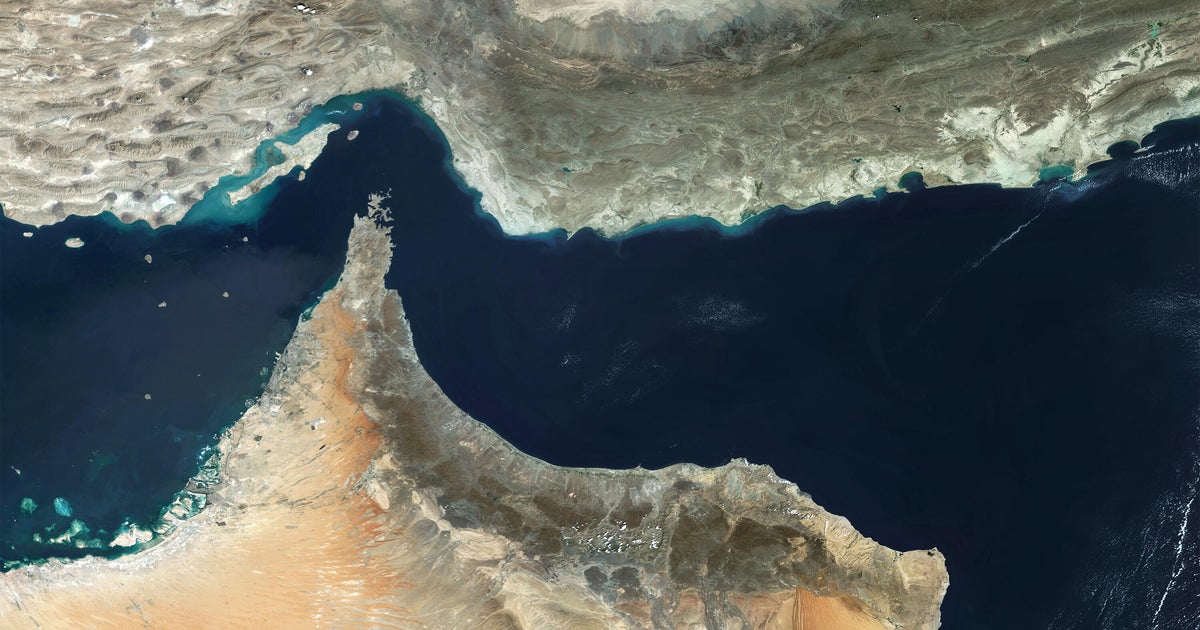
Kharg Island sits 20 miles off Iran's northern Persian Gulf coast and is the country's most critical oil export hub, handling up to 90 percent of Iran's crude exports. A U.S. official told NBC News the strikes targeted military facilities — including naval mine storage, missile bunkers, and air defense systems — not the island's oil infrastructure. The Pentagon confirmed that U.S. Central Command also launched one-way attack drones into Iranian territory as part of a broader overnight operation. Israeli Defense Forces separately announced they had targeted eight Iranian bridge sections used for transporting weapons and military equipment.
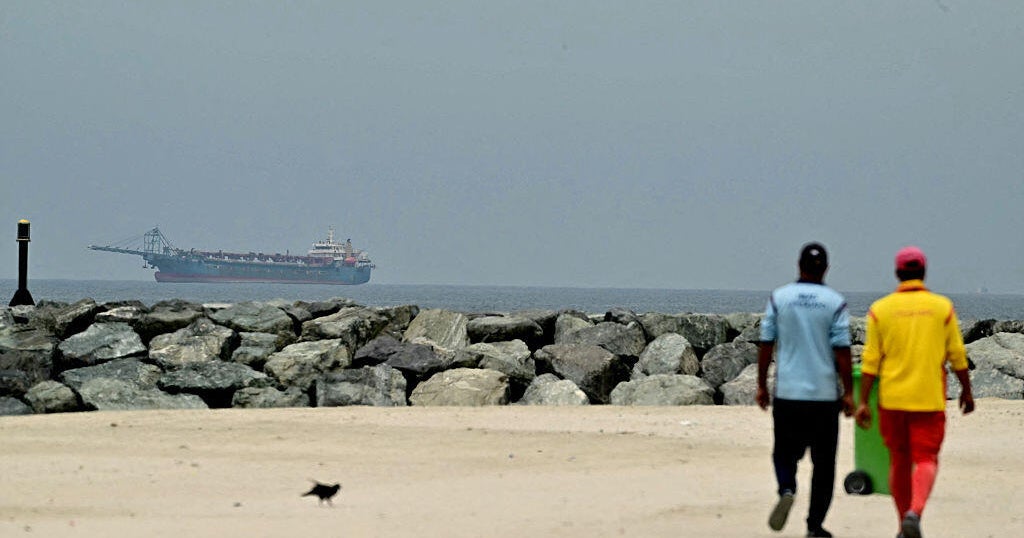
Oil markets responded sharply to the escalation. Crude prices surged more than three percent on Tuesday, with West Texas Intermediate approaching $116 per barrel and Brent crude exceeding $110. National average gasoline prices climbed to $4.14 per gallon — a 39 percent increase since late February — with California drivers paying nearly $5.93 per gallon. Energy analysts warned that any sustained disruption to the Strait of Hormuz, through which roughly 20 percent of the world's daily oil supply passes, could push prices significantly higher.
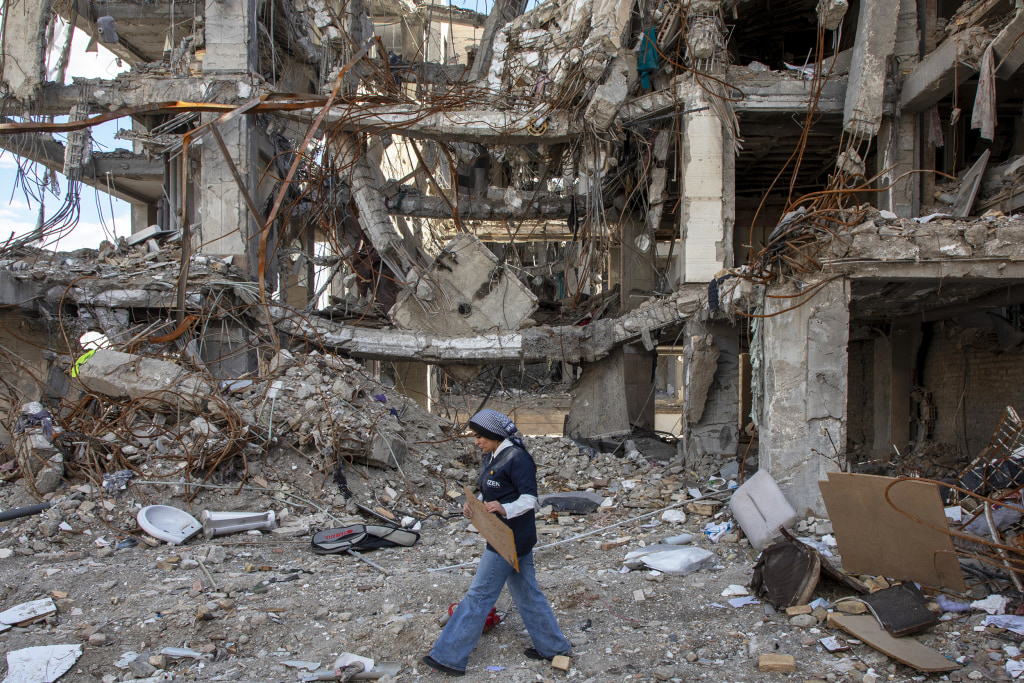
In Tehran, three civilians were killed in an Israeli strike on the Seyed Esmail market, with two others wounded and four shops collapsed from the impact. Iranian state media showed hundreds of people forming human chains around the country's power plants in response to a government call for civilians to shield critical infrastructure. Iran's Revolutionary Guard warned it would "deprive the U.S. and its allies of the region's oil and gas for years" if Trump crosses what it described as red lines by attacking civilian facilities.
Diplomatic efforts continued despite the escalating rhetoric. White House press secretary Karoline Leavitt confirmed the 8 p.m. deadline remained active, while Vice President JD Vance — speaking from Budapest where he was meeting with Hungarian Prime Minister Viktor Orban — said the strikes were consistent with Trump's military strategy. Iran transmitted a 10-point proposal through Pakistani intermediaries that included demands for a permanent end to all attacks, the lifting of sanctions, and an end to Israeli strikes against Hezbollah in Lebanon, in exchange for reopening the Strait of Hormuz. Trump had previously called the proposal "substantial" but ultimately declared it "not good enough," keeping his deadline in place and setting the stage for what could be the most consequential hours in the 39-day conflict.