U.S. Blockade of Iranian Ports Takes Effect as Trump Threatens to 'Eliminate' Defiant Ships
American forces began enforcing the naval blockade at 10 a.m. ET Monday after peace talks in Islamabad collapsed over the weekend, sending oil prices surging above $104 a barrel.
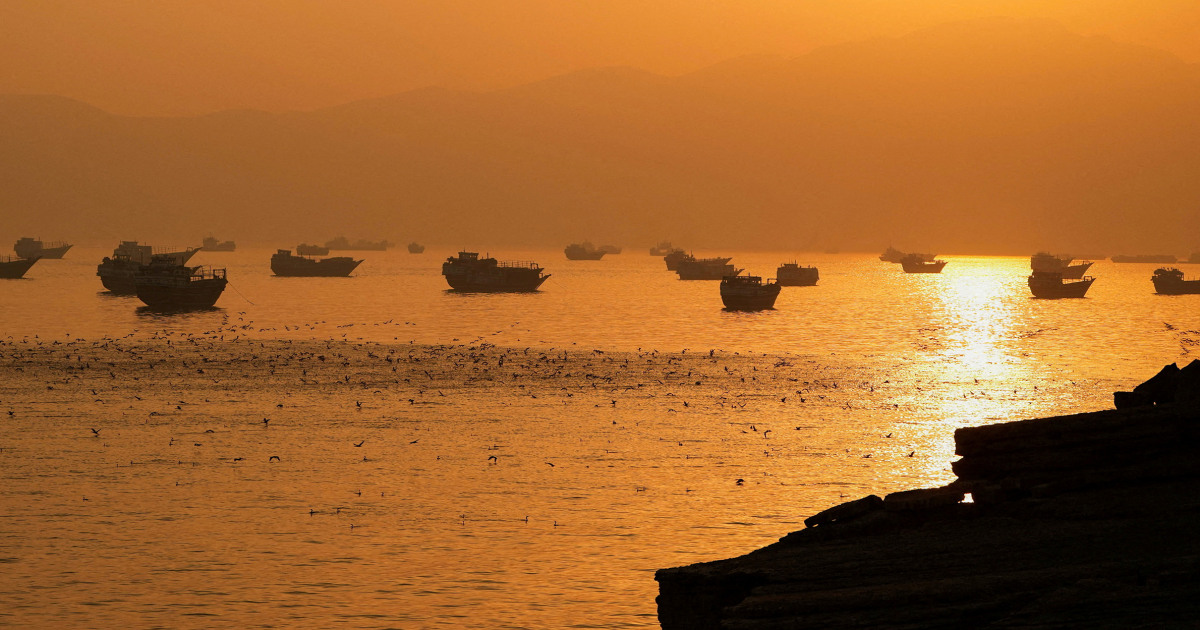
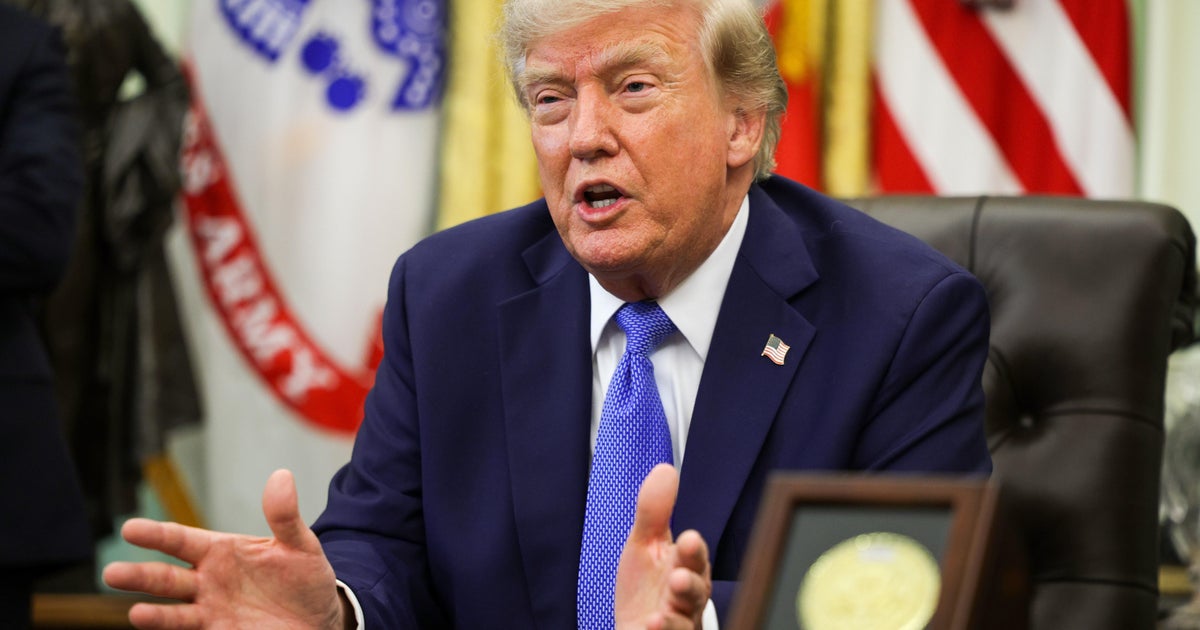
The United States military blockade of all Iranian ports and coastal areas took effect at 10 a.m. Eastern Time on Monday, April 13, 2026, marking a dramatic escalation in the seven-week-old war after marathon peace talks collapsed over the weekend. President Donald Trump warned Iran in stark terms that any ships attempting to defy the blockade would face lethal force, posting on Truth Social that Iranian vessels approaching the blockade zone would be "immediately ELIMINATED." The announcement sent shockwaves through global financial markets, with oil prices surging above $104 per barrel for the first time in more than a decade.
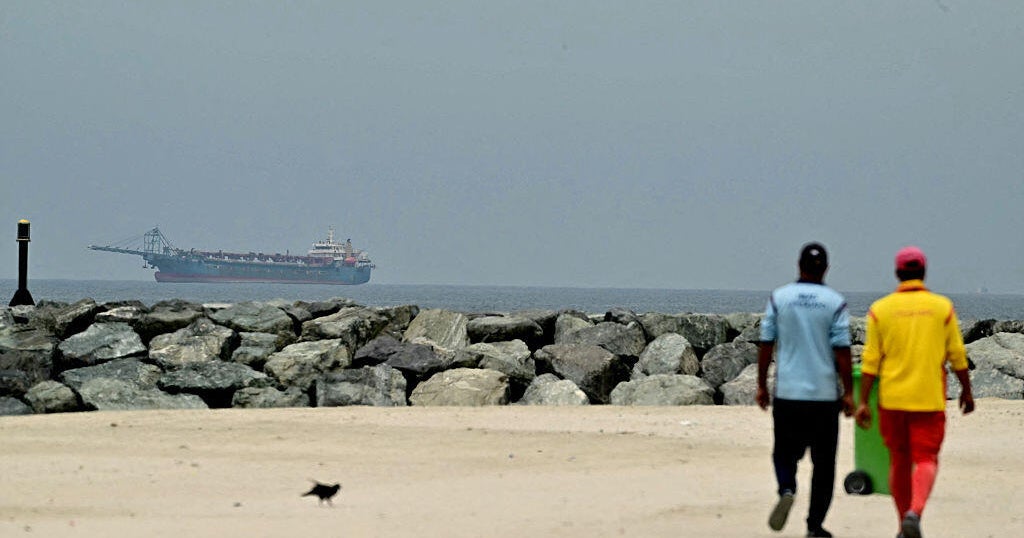
The blockade covers all vessels entering or departing Iranian ports on the Arabian Gulf and Gulf of Oman, but will allow ships to transit the Strait of Hormuz freely as long as they are traveling between non-Iranian ports. U.S. Central Command confirmed that military assets including the USS Abraham Lincoln aircraft carrier, eleven destroyers, and the USS Tripoli amphibious group are now enforcing the measure. At least two tankers — the Rich Starry and the Ostria — turned back from the strait rather than risk confrontation with American forces.
The blockade came after 21 hours of face-to-face talks in Islamabad, Pakistan, between Vice President JD Vance and senior Iranian negotiators ended without agreement on Sunday. Iran refused to commit to permanently abandoning its nuclear weapons program, while Tehran's demands — including control over the Strait of Hormuz, payment of war reparations, and a ceasefire covering Lebanon — proved unacceptable to the U.S. delegation. "We can't let a country blackmail or extort the world," Trump declared Monday morning from the White House. Vance said Iran had shown itself unwilling to "fundamentally change" its nuclear posture.
America's closest allies immediately distanced themselves from the blockade. British Prime Minister Keir Starmer told the BBC flatly: "We're not supporting the blockade." French President Emmanuel Macron announced that France and the United Kingdom would organize a "peaceful multinational mission aimed at restoring freedom of navigation" in the strait, saying he would convene an emergency conference on the plans within days. Germany said it would only consider backing the measure after a ceasefire was in place. China's Foreign Minister Wang Yi, meeting officials in Beijing, said blocking the Strait of Hormuz was "not in the common interest of the international community."
Iran responded with its own stark warnings. A spokesman for Iran's joint military command declared that "no port in the Persian Gulf and the Sea of Oman will be safe" if Iranian ports are targeted, and vowed to respond "decisively to any aggressor, including Israel and the United States." A senior NATO official told CBS News that the United Kingdom is leading planning efforts for a coalition of more than 40 nations, many of them NATO members, to reopen the strait. The USS Frank E. Peterson and USS Michael Murphy guided-missile destroyers had already transited the Strait of Hormuz last week as part of a mine-clearance operation.
The economic consequences were immediate and severe. West Texas Intermediate crude climbed more than 8% to $104.82 per barrel, more than 50% above its pre-war level. Brent crude reached $102.29 per barrel. The S&P 500 nonetheless closed up 1.02% on Monday as some investors bet a deal would eventually be struck. The United Nations Food and Agriculture Organization warned separately that the extended closure of the strait — through which roughly 20% of the world's oil, natural gas, and a substantial share of fertilizer supplies normally travel — was pushing the world toward a food crisis, with the FAO's chief economist Máximo Torero urging governments to act before a "perfect storm" materialized in global food markets.