Israel Begins Partial Pullback in South Lebanon, but Hezbollah Rejects the Deal as a Violation
Secretary of State Marco Rubio announced a framework for Israeli forces to vacate two areas of their buffer zone, yet Hezbollah and Iran say Israel is breaching last week's memorandum by refusing a full withdrawal.

A U.S.-brokered effort to wind down the war between Israel and Hezbollah hit an early wall on Friday, as Israel began a limited withdrawal from southern Lebanon that the militant group and its Iranian patron immediately dismissed as a violation of the terms they had been promised.
Secretary of State Marco Rubio announced a framework deal aimed at "lasting peace and security" through American mediation, under which the Israel Defense Forces would pull back from two areas inside the roughly six-mile buffer zone it has carved out in southern Lebanon. Israeli troops in those zones are to be replaced by members of the Lebanese armed forces, a step Washington hopes will begin restoring the Lebanese state's authority along its own border.
But the arrangement quickly exposed the gulf between the parties. Hezbollah and Iran argued that Israel is breaching a memorandum of understanding signed in Washington last week that, in their reading, required a permanent end to all military operations in Lebanon. Israel countered that it is not a party to that memorandum and refused to dismantle its buffer zone, insisting the redeployment is conditional rather than final.
An Israeli envoy said the withdrawal is "not based on a fixed timetable" but on Hezbollah's disarmament, signaling that any further pullback hinges on the group surrendering weapons it has shown no sign of giving up. Hezbollah lawmaker Hassan Fadlallah warned that Lebanese authorities would be unable to enforce the framework on the ground unless they were willing to plunge the country into civil war, a stark assessment of how little leverage Beirut holds over the heavily armed movement.
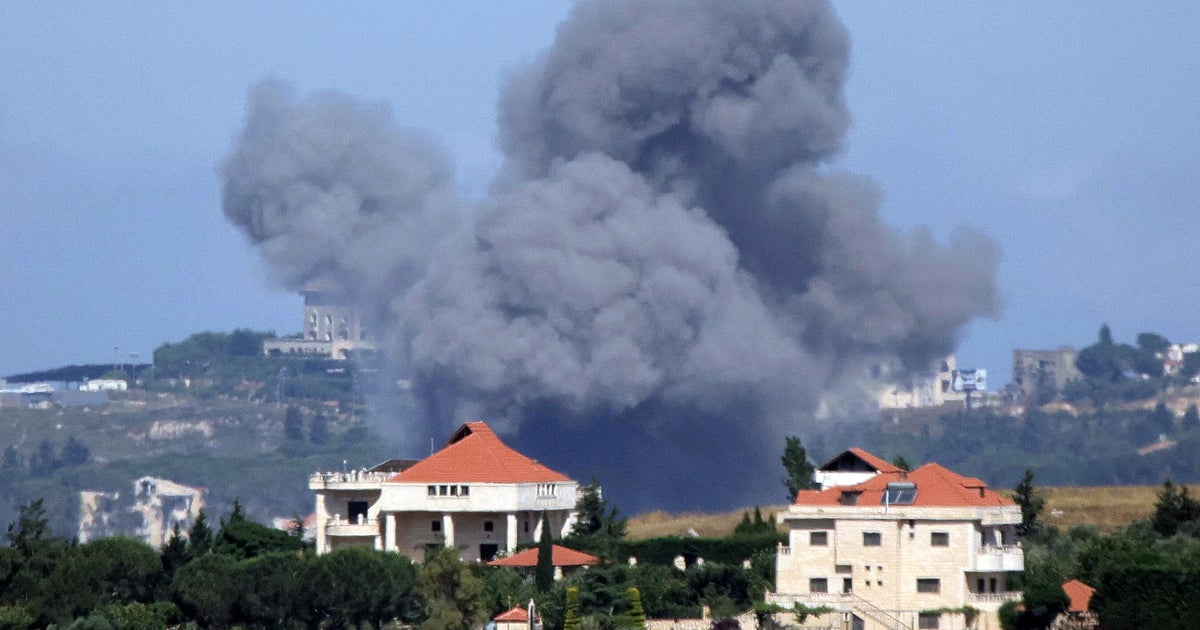
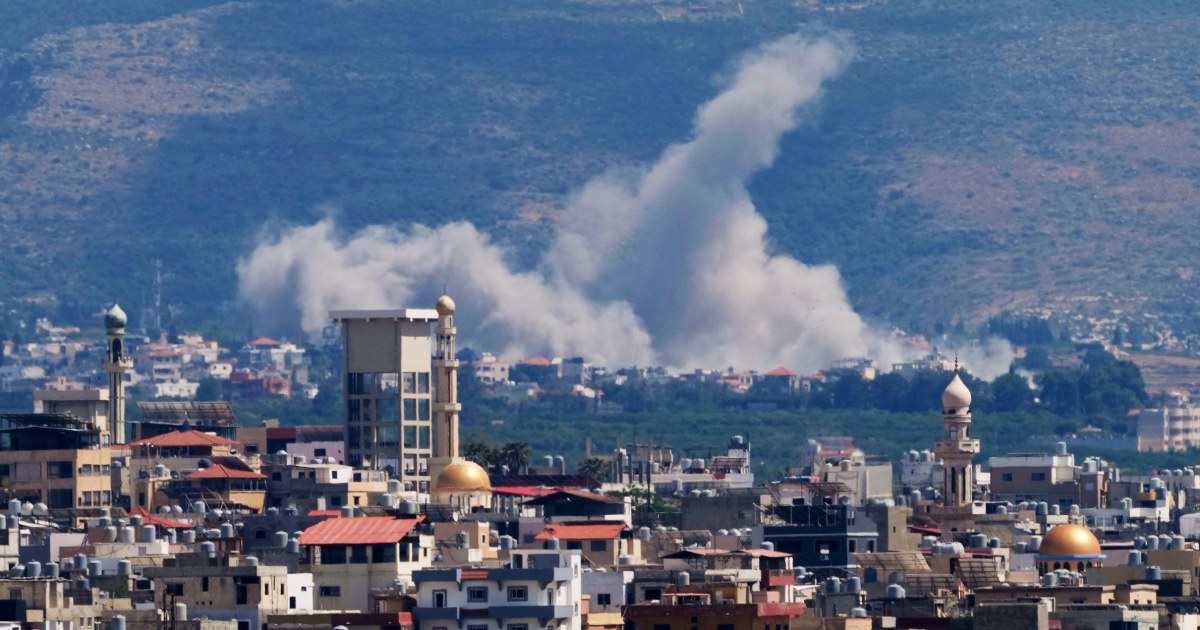
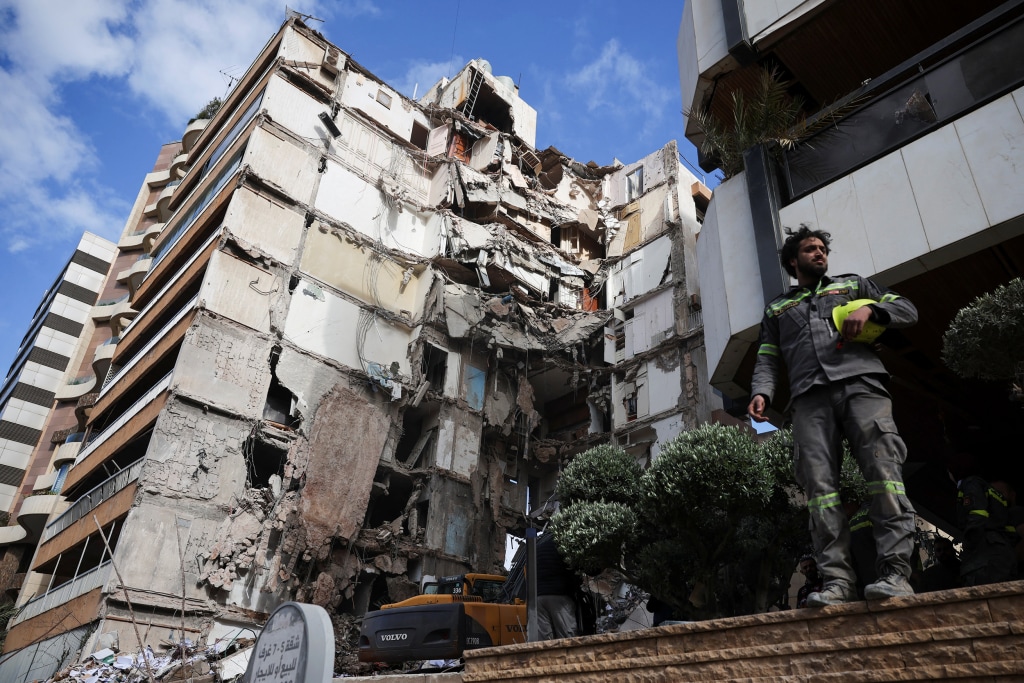
The standoff underscores the fragility of a process that the Trump administration has touted as a diplomatic breakthrough. Fighting has raged since March, when Israel launched a ground operation into parts of Lebanon, and the buffer zone has become both a security shield for Israel and a daily humiliation for a Lebanese government that cannot reclaim its territory. With Hezbollah rejecting the deal's premise and Israel refusing a full withdrawal, the partial pullback risks becoming a flashpoint rather than the first step toward the durable calm its architects envisioned.