Trump Picks Jay Clayton for Director of National Intelligence After Bill Pulte Backlash
The president nominates the Manhattan U.S. attorney and former SEC chairman for the permanent intelligence role following controversy over his initial pick.

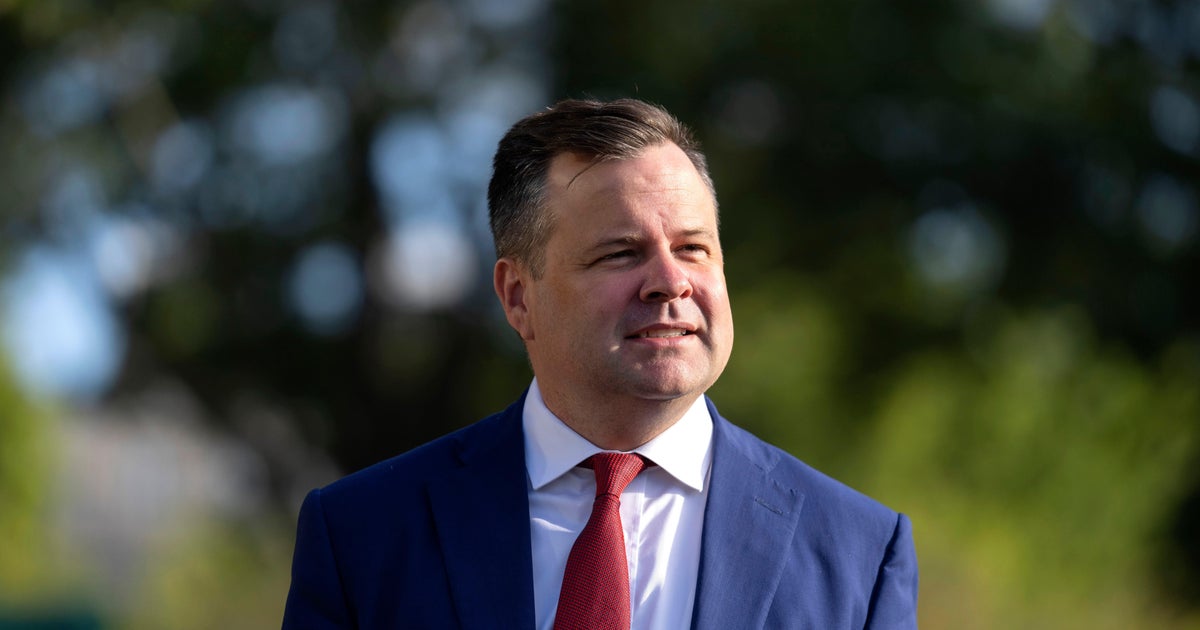
President Donald Trump announced Wednesday that he will nominate Jay Clayton, the U.S. attorney in Manhattan and former chairman of the Securities and Exchange Commission, to serve as Director of National Intelligence. The nomination comes after significant backlash over Trump's initial choice of Bill Pulte for the position, which threatened key surveillance legislation and drew criticism from lawmakers across party lines.
Clayton brings extensive experience in both financial regulation and federal prosecution to the intelligence role. As SEC chairman from 2017 to 2020, he oversaw securities markets during a period of significant regulatory changes and market volatility. His current position as U.S. attorney for the Southern District of New York has given him direct experience with national security cases and high-profile federal prosecutions.
The nomination represents a significant course correction for Trump after the Pulte controversy contributed to legislative challenges on Capitol Hill. House Republicans and Democrats had expressed concerns about Pulte's qualifications and approach to intelligence matters, creating uncertainty around the renewal of critical surveillance authorities under FISA Section 702.
Clayton's background in financial markets and federal law enforcement is expected to appeal to senators who will consider his confirmation. His tenure at the SEC was marked by efforts to modernize capital markets while maintaining investor protections, and his prosecutorial work has involved complex white-collar cases that often intersect with intelligence matters.
The timing of the nomination is crucial as the intelligence community faces ongoing challenges related to foreign threats and domestic security concerns. Clayton will need to navigate confirmation hearings while the administration deals with escalating tensions in the Middle East and other national security priorities. His appointment signals Trump's effort to install a more conventional candidate in the sensitive intelligence position after the initial misstep with Pulte generated unwanted controversy.