Trump Picks Jay Clayton for Intelligence Chief After Bill Pulte Nomination Sparks Fierce Backlash
The president selected the former SEC chairman and current Manhattan U.S. attorney for the permanent director role.

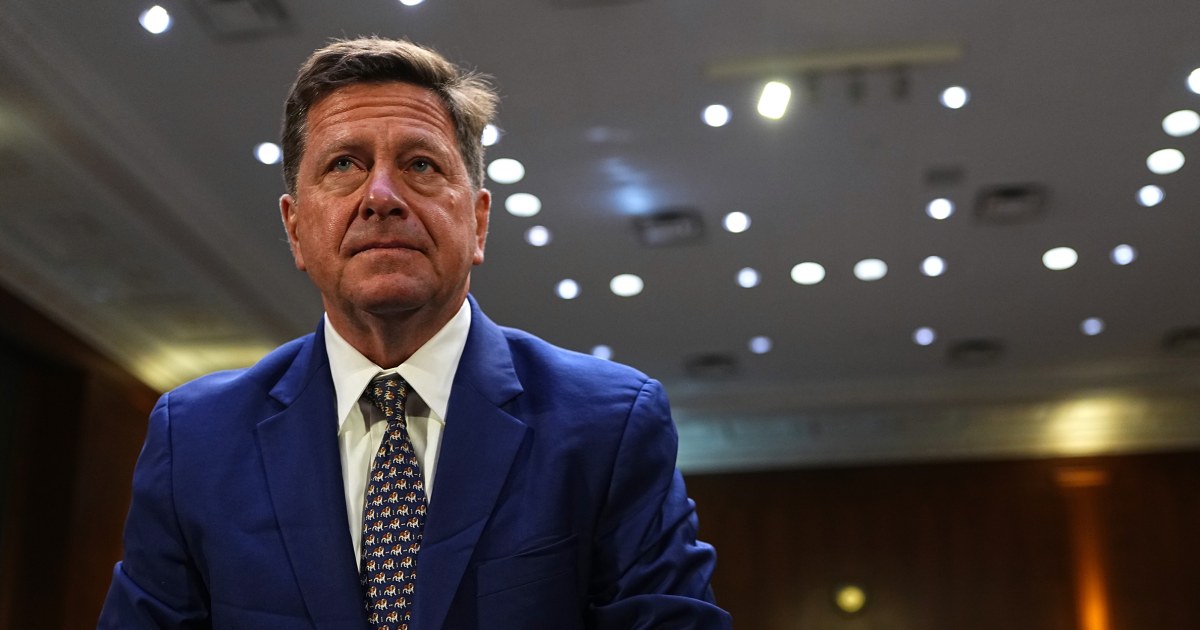
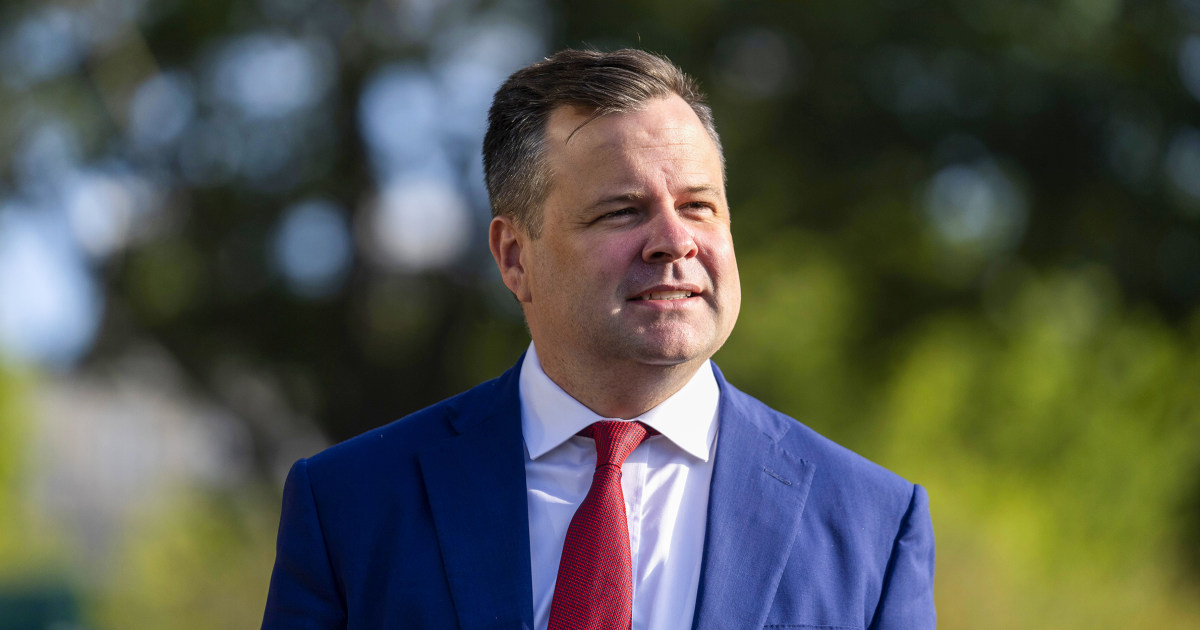
President Trump announced Wednesday that he would nominate Jay Clayton, the U.S. attorney in Manhattan and former chairman of the Securities and Exchange Commission, as director of national intelligence following intense congressional opposition to his initial choice. The nomination of Clayton comes just days after Trump's first pick, businessman Bill Pulte, faced overwhelming bipartisan criticism that threatened to derail the appointment before it reached a Senate vote.
Clayton brings extensive government experience to the role, having served as SEC chairman from 2017 to 2021 during Trump's first term before being appointed as U.S. attorney for the Southern District of New York. His legal background and previous work in financial regulation represent a stark contrast to Pulte, who lacked traditional intelligence credentials and drew skepticism from both Republican and Democratic lawmakers. The Southern District position has given Clayton experience with sensitive national security cases and complex financial investigations.
The abrupt reversal highlights the challenges Trump has faced in staffing key national security positions during his second term. Republican senators had privately expressed concerns about Pulte's qualifications, with several indicating they would not support his confirmation. Senate Intelligence Committee members from both parties had requested extensive documentation about Pulte's business dealings and potential conflicts of interest, creating additional hurdles for the nomination.
Clayton's appointment is expected to receive a warmer reception on Capitol Hill, where his previous confirmation as SEC chairman passed with bipartisan support. Democratic senators have indicated they view Clayton as a more conventional choice, though they plan to scrutinize his positions on surveillance programs and intelligence sharing with allies. His experience overseeing complex financial regulations could prove valuable as the intelligence community grapples with emerging threats in cryptocurrency and economic espionage.
The intelligence director position has been filled by acting officials since Trump took office in January, creating uncertainty within the intelligence community during a period of heightened global tensions. Clayton's nomination will now face Senate confirmation hearings, where he is expected to address questions about his vision for coordinating the nation's 18 intelligence agencies and his approach to briefing Congress on sensitive matters. If confirmed, he would oversee a budget exceeding $80 billion and coordinate intelligence operations affecting national security policy across multiple agencies.