Trump's Intelligence Pick Jay Clayton Faces the Senate After the Pulte Fiasco, Pressed on Biden's 2020 Win
The former SEC chairman went before senators to become director of national intelligence, replacing acting chief Bill Pulte, and only indirectly acknowledged Joe Biden's 2020 victory.
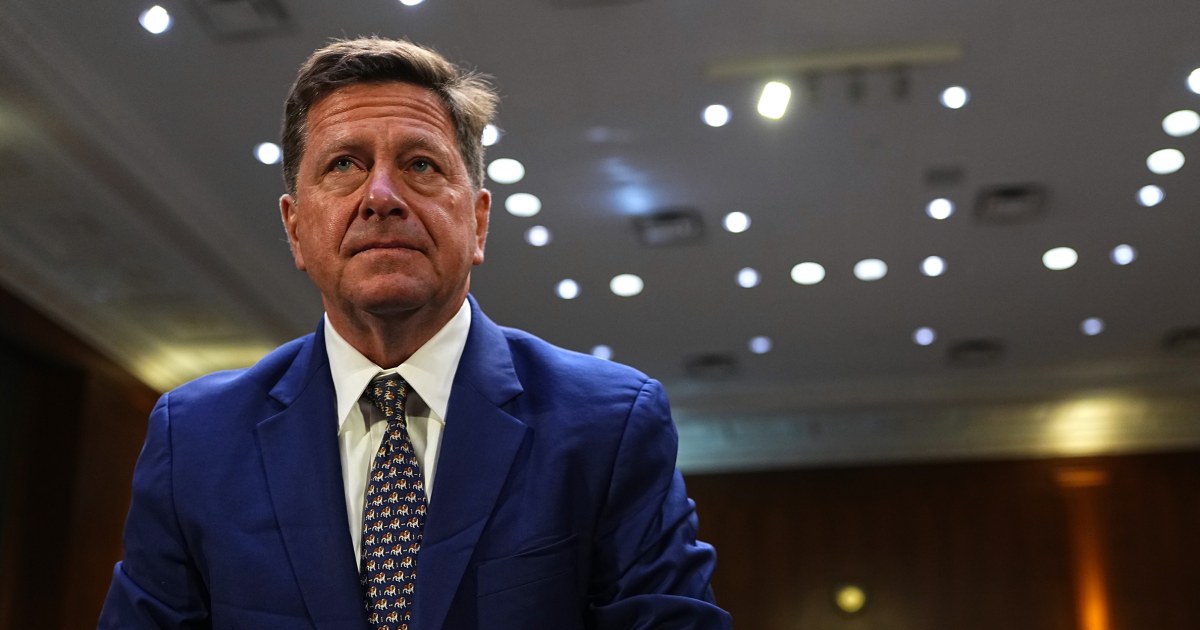
Jay Clayton, President Trump's nominee to serve as director of national intelligence, appeared before senators on Wednesday for a confirmation hearing that lawmakers on both sides had been eager to hold — many of them anxious to see him replace the acting intelligence chief, Bill Pulte, whose earlier nomination sparked fierce backlash.
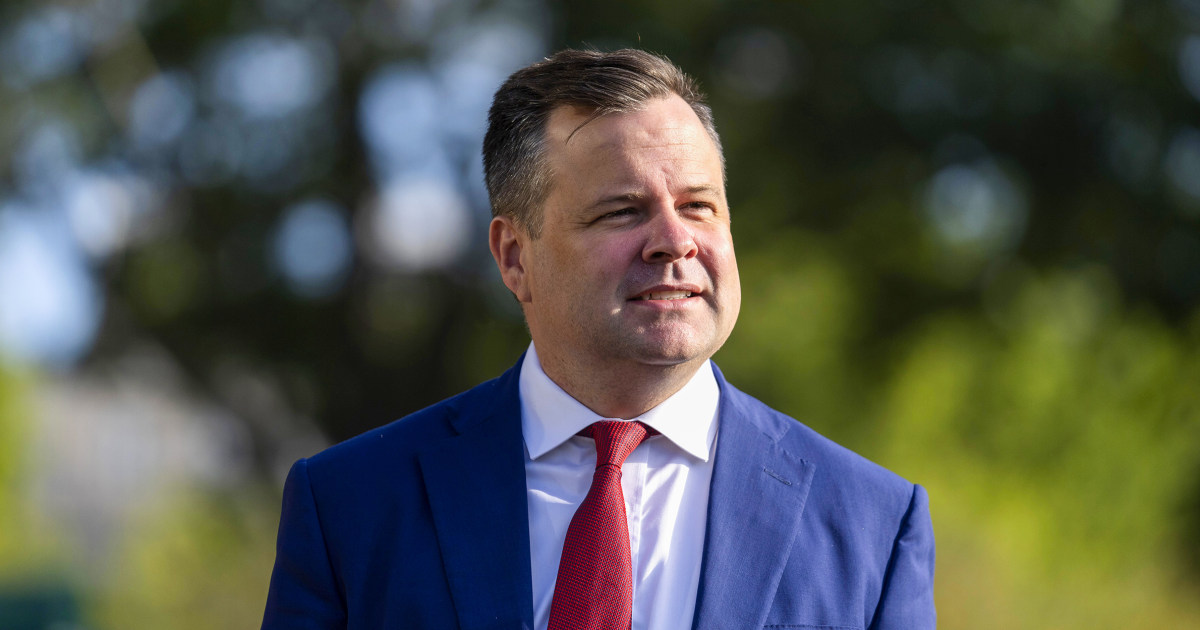
Clayton, a former chairman of the Securities and Exchange Commission during Trump's first term, was tapped for the top intelligence post after the administration's initial plan to elevate Pulte — the head of the Federal Housing Finance Agency, who had been named acting director of national intelligence — ran into resistance. Critics questioned whether Pulte, a housing-finance official with no intelligence background, was suited to oversee the sprawling U.S. spy apparatus, and the move to install Clayton was widely read as an effort to steady the nomination.
Much of the questioning turned on politically charged terrain. Democratic senators repeatedly pressed Clayton to state plainly that Joe Biden won the 2020 presidential election — a question that has become a loyalty test for Trump nominees. Clayton acknowledged Biden's victory only indirectly, declining to offer the unequivocal statement Democrats sought while trying not to antagonize the president who nominated him. The exchanges underscored the tightrope that intelligence nominees must walk in an administration that has often clashed with the intelligence community's own assessments.
The director of national intelligence oversees coordination across the 18 agencies that make up the U.S. intelligence community and serves as the president's principal intelligence adviser, a post created by Congress after the September 11 attacks to knit together information that had been scattered among rival agencies. Senators from both parties used the hearing to probe how Clayton would handle politically sensitive assessments, protect sources and methods, and preserve the independence of intelligence analysis from political pressure. Supporters pointed to his experience running a major federal regulator as evidence he could manage a large and complex bureaucracy, while critics questioned whether a securities lawyer had the depth in espionage and covert operations the job demands.
The hearing was one of several confirmation battles playing out on Capitol Hill on Wednesday as the administration worked to fill senior national security and law enforcement posts, including a contentious session for attorney general nominee Todd Blanche. Clayton's path to confirmation appears smoother than Pulte's, but the pointed questions over the 2020 election and the independence of intelligence work signaled that Democrats intend to extract commitments before any vote. Republicans, who control the Senate, are expected to provide the votes to advance him, and a committee vote on his nomination is expected in the weeks ahead. If confirmed, Clayton would inherit an agency whose relationship with the president has at times been strained over how its analysts characterize threats from Russia, China and Iran.