Bipartisan Senators Unveil 'Sanctioning Russia Act,' Vowing to Pass Graham's Bill in His Honor
The revised measure would let President Trump impose tariffs of up to 100% on the biggest buyers of Russian oil and gas — including China and India — and slap mandatory sanctions on Vladimir Putin and his inner circle.
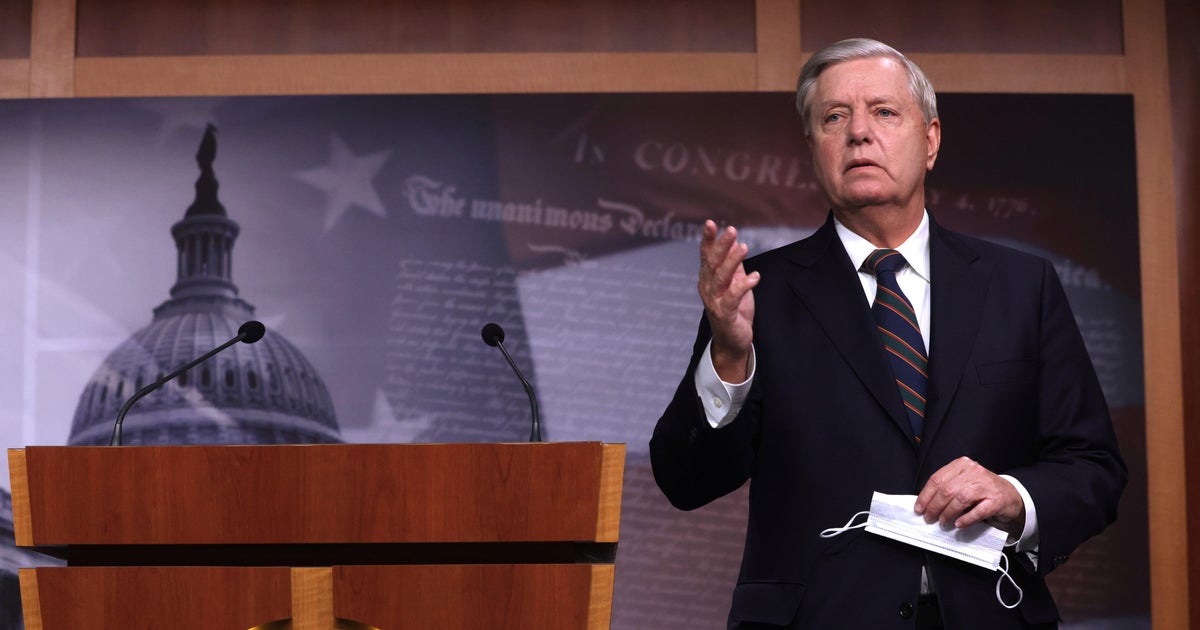
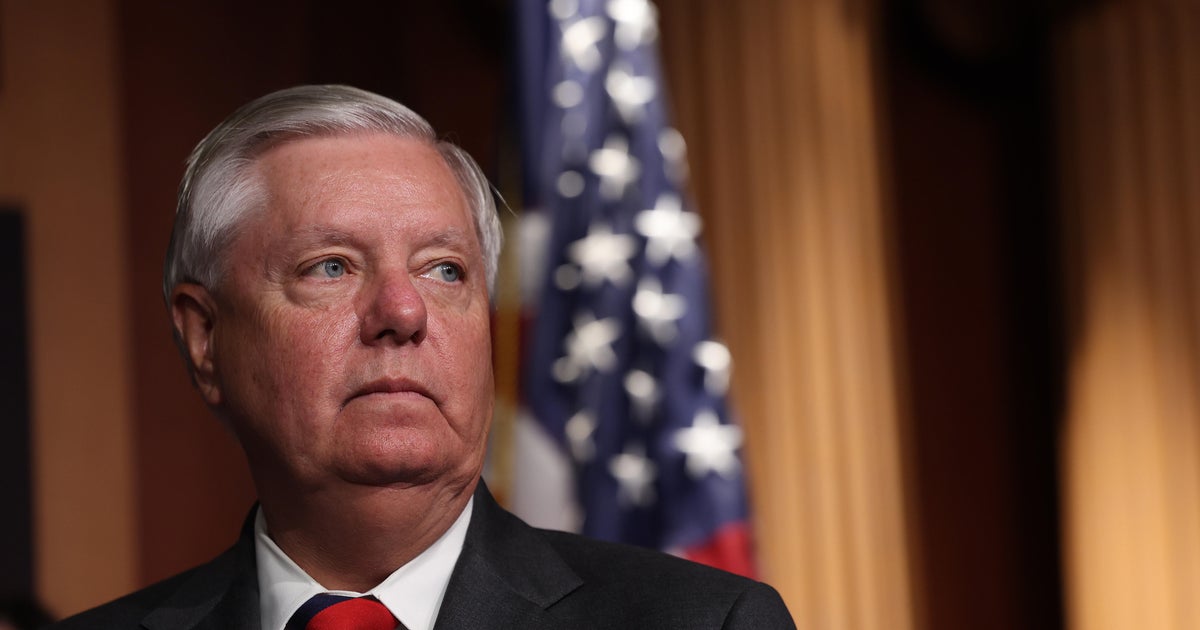
A bipartisan group of senators on Monday introduced the "Sanctioning Russia Act of 2026," a sweeping package of sanctions and tariffs designed to strangle the Kremlin's war finances and push Moscow toward ending its more than four-year invasion of Ukraine. Lawmakers urged swift passage, framing the vote as a tribute to Sen. Lindsey Graham, the South Carolina Republican and chief architect of the legislation, who died suddenly over the weekend shortly after returning from a trip abroad.
At the center of the more-than-60-page bill is a powerful new economic weapon: authority for the president to impose tariffs of up to 100% on the top five purchasers of Russian oil — currently China, India, Slovakia, Hungary and Azerbaijan — and on the top five buyers of Russian natural gas, which include China, France, Belgium, Japan and Hungary. The measure is built to choke off the energy revenue that has kept the Russian economy afloat under earlier rounds of Western sanctions.
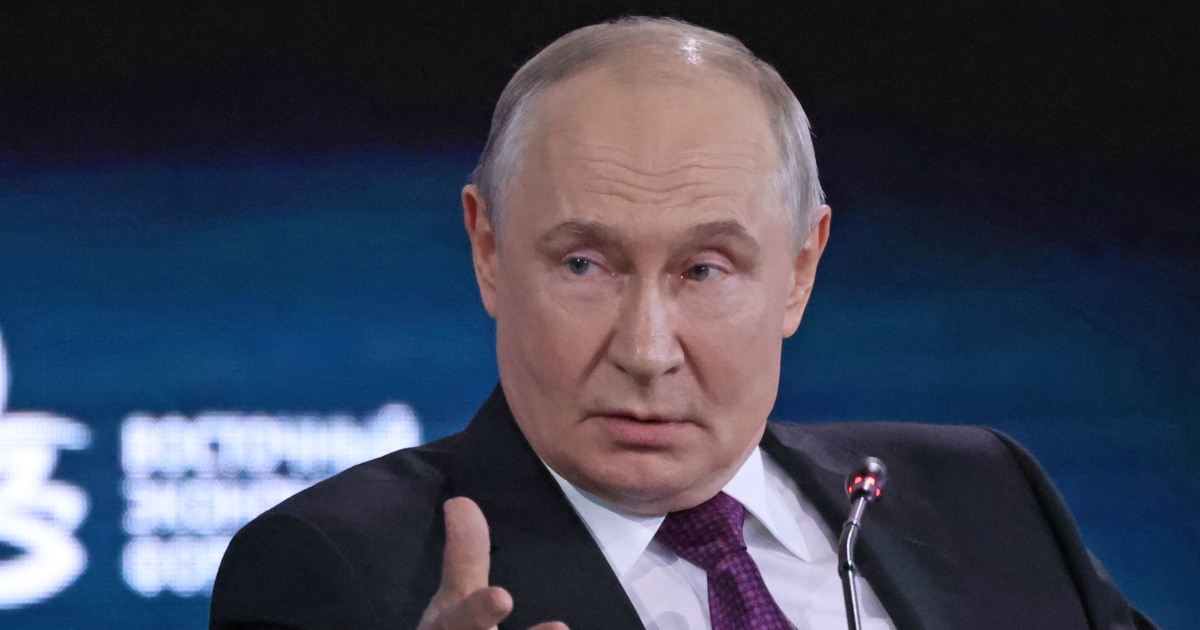
The legislation carves out exemptions for countries that import less than 15% of Russia's annual natural gas exports, provided they can show they are taking "significant steps" to reduce their dependence on Russian energy. Beyond the tariffs, the bill would impose mandatory sanctions on Russian political and military leaders, including President Vladimir Putin, as well as oligarchs, state-owned enterprises and foreign firms that prop up Russia's defense industrial base.
The bill has drawn more than 26 bipartisan co-sponsors, and backers expect that number to climb quickly in the days ahead. "We owe it to Lindsey Graham to pass that tough Russian sanctions bill," said Rep. Michael McCaul of Texas, echoing a sentiment that has spread across both chambers since Graham's death. Rep. Mike Turner said he hoped passing the measure would become part of the late senator's legacy on national security.
Graham had spent months building support for the sanctions framework, arguing that the surest path to forcing negotiations was to make it financially ruinous for other nations to keep buying Russian energy. His death has injected fresh urgency and emotional weight into a proposal that had, at times, stalled amid debates over how much latitude to give the White House. Supporters now hope the combination of bipartisan momentum and tribute to Graham can move the bill through the Senate and House and onto the president's desk, handing the administration a potent new lever in its standoff with Moscow.
Still, the measure faces real hurdles. Some lawmakers have voiced concern about the economic fallout of levying steep tariffs on major trading partners such as China and India, and about how aggressively the White House would choose to wield the authority. Backers counter that the flexibility built into the bill — including waivers and the president's discretion over timing — is precisely what makes it workable, allowing Washington to calibrate the pressure on Moscow's customers without triggering an immediate global trade shock.