Hegseth Unveils Pentagon-DOJ Task Force to Hunt Down and Prosecute Leakers to the Press
The defense secretary said the joint effort will pursue unauthorized disclosures 'with the full force of the law,' days after the government subpoenaed New York Times reporters.
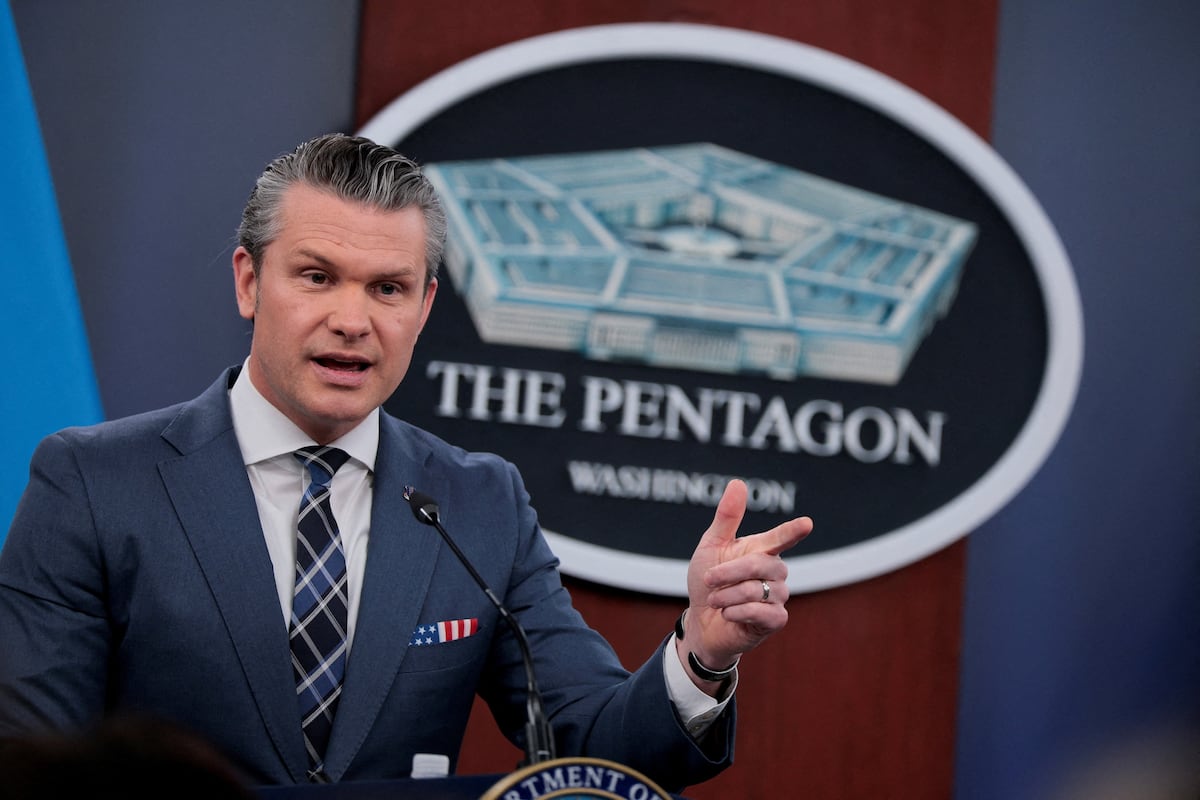
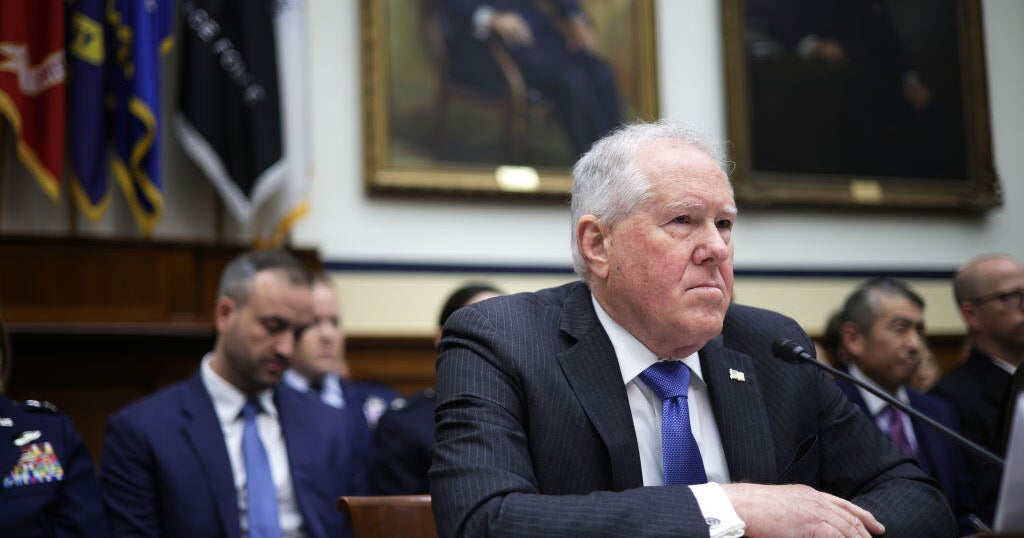
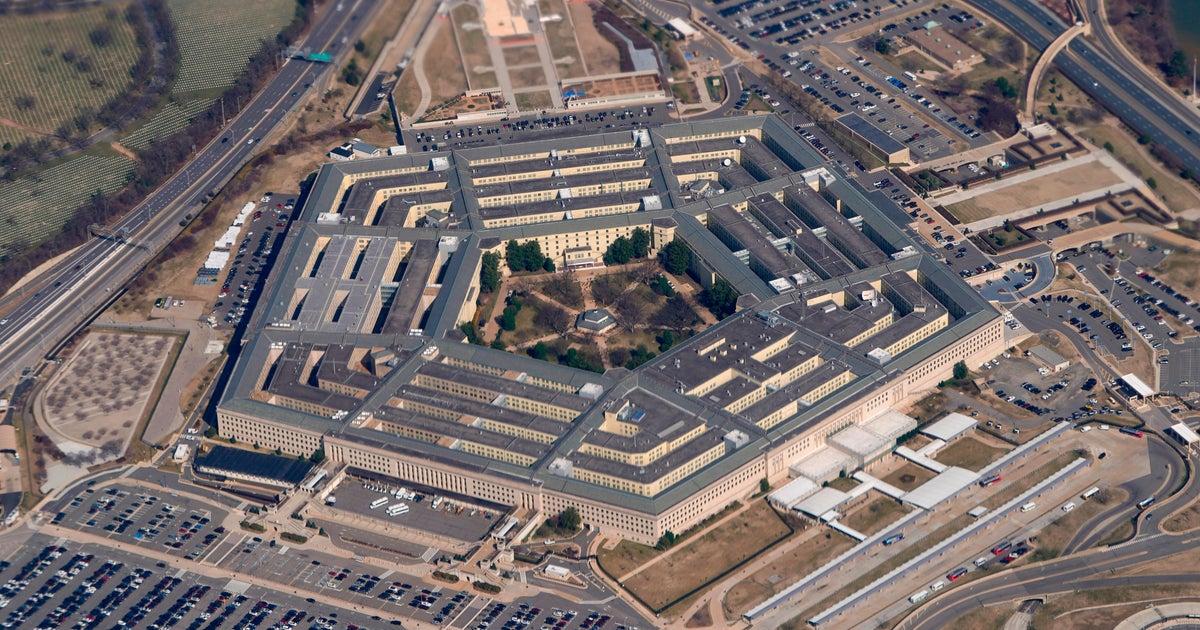
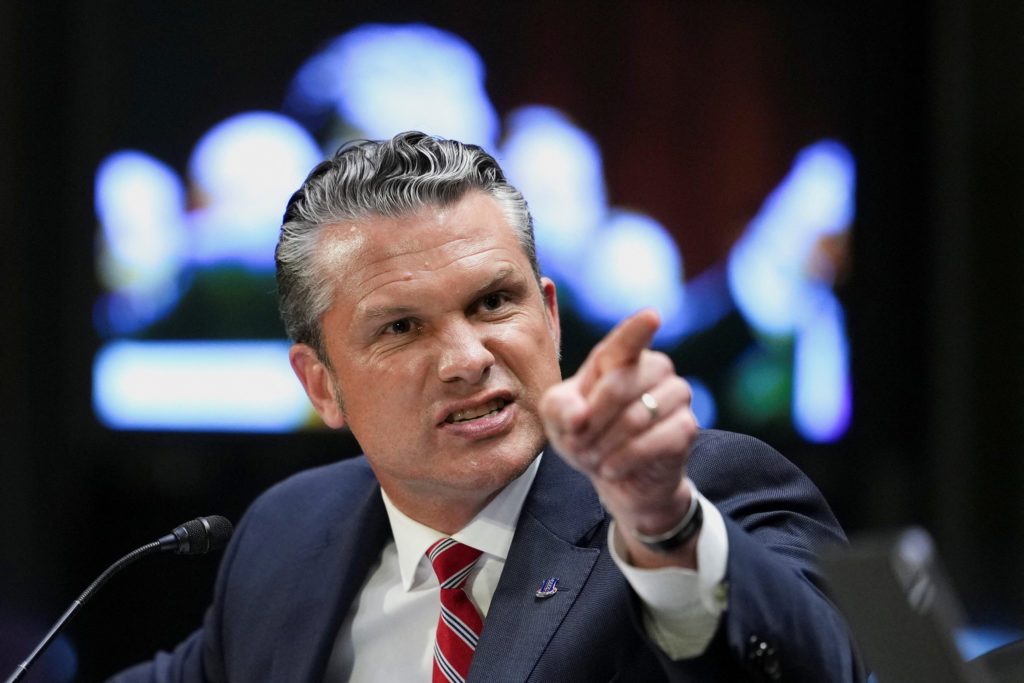
Defense Secretary Pete Hegseth announced on Monday that the Pentagon and the Justice Department have created a joint task force to identify and prosecute people who leak sensitive government information to the news media, a sweeping move that press-freedom advocates warned could chill reporting on national security.
Hegseth said the effort would pursue unauthorized disclosures "with the full force of the law," arguing that "leaked information risks lives." The task force is expected to focus on tracing how protected information reaches journalists, determining whether federal statutes were broken and building cases against employees or others accused of providing classified or sensitive material to reporters.
To power those investigations, Hegseth said the Defense Department's Office of General Counsel will be able to request and receive all information, support and records across the Pentagon related to media-leak inquiries. He directed that every component and employee of the department "prioritize" such requests, and that any taskings issued under the new authority receive a "full and complete" response within two days.
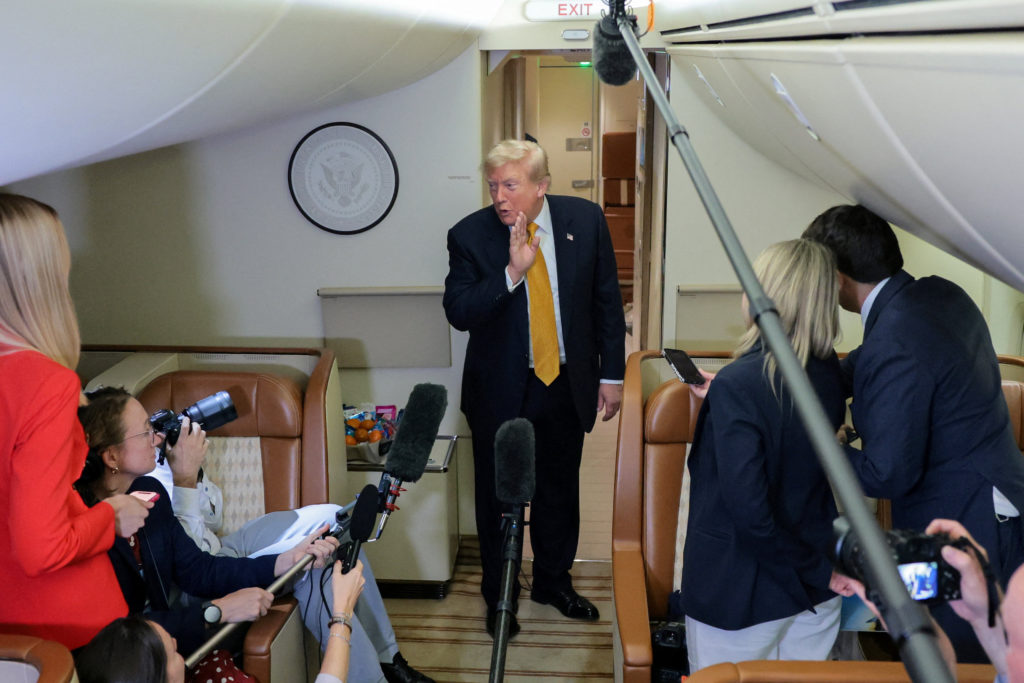
The timing drew immediate scrutiny. The announcement came just days after the Justice Department issued rare subpoenas to several New York Times reporters, ordering them to testify before a federal grand jury in Manhattan over their reporting on security shortcomings of President Trump's new Qatari-donated Air Force One. The Times has said it will fight the subpoenas, calling them a direct threat to the news media's ability to gather information in the public interest.
Legal experts noted that prosecutions of leakers are notoriously difficult and that aggressive efforts to unmask journalists' sources have historically run into First Amendment resistance and internal Justice Department guidelines meant to shield reporters. Critics said folding the Pentagon's vast investigative machinery into leak inquiries — and demanding responses within 48 hours — could pressure officials and blur the line between protecting genuine secrets and punishing embarrassing disclosures.
Supporters of the crackdown argue that a wave of leaks about military operations and White House decision-making has endangered service members and undermined national security. But civil-liberties groups and news organizations countered that a democracy depends on the public's ability to learn what its government does in its name, and that a task force explicitly aimed at journalists' sources represents one of the most direct challenges to press freedom in years. Watchdog groups warned that aggressive leak investigations can deter whistleblowers and make officials afraid to speak with reporters at all, narrowing the flow of information the public relies on to hold the government accountable.