Pentagon Extends Trump's National Guard Deployment in Washington Through Inauguration Day 2029
Nearly 5,150 troops will stay in the capital at a cost of more than $3 million a day, even as studies find the deployment has had little to no effect on violent crime.
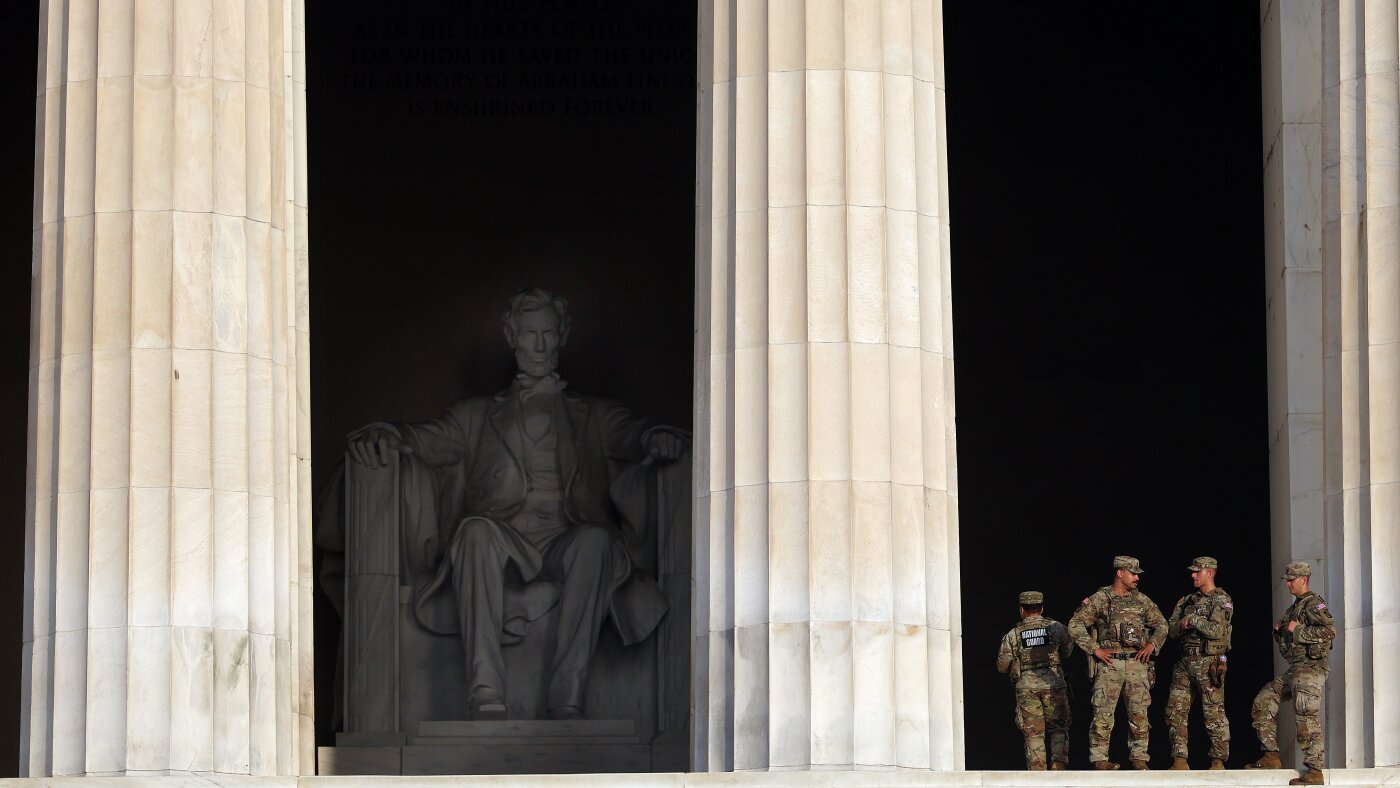
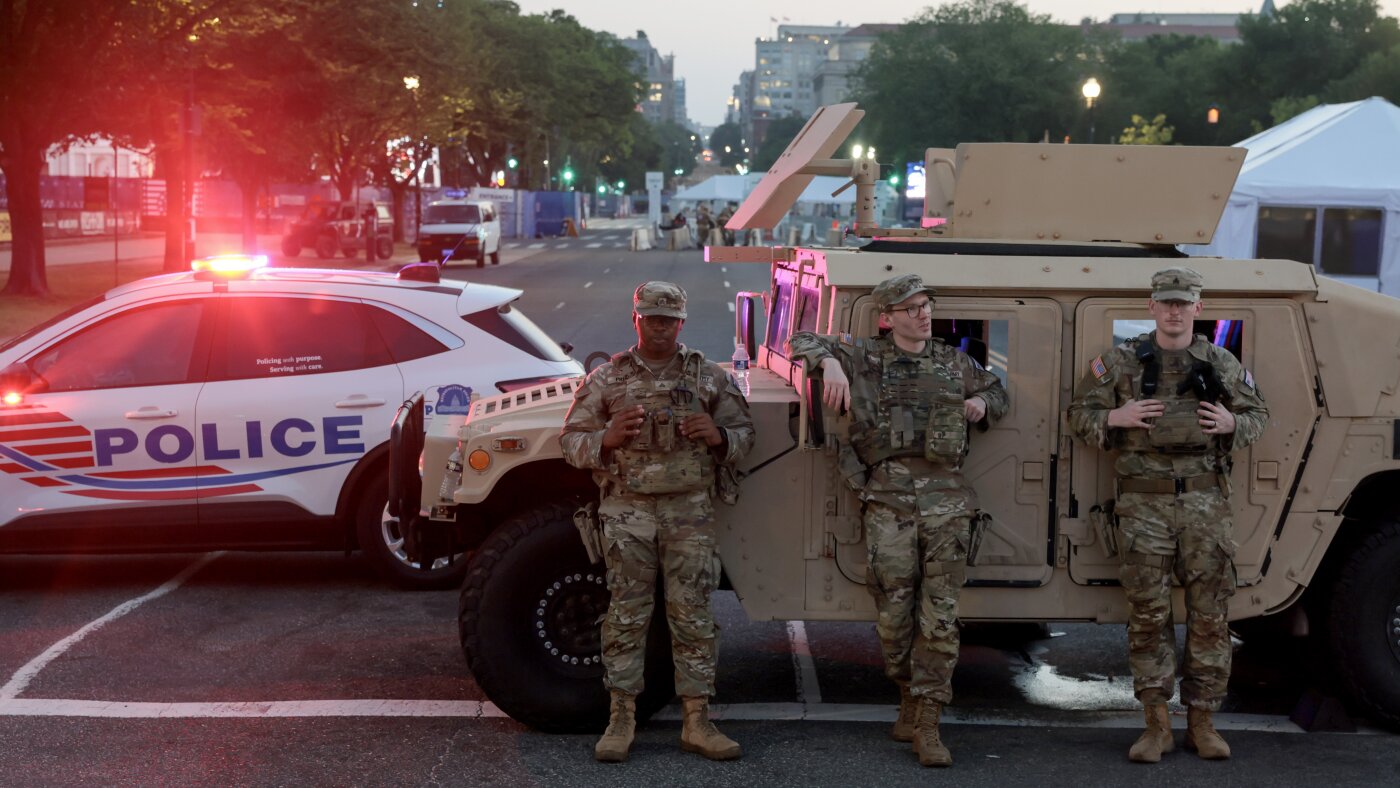
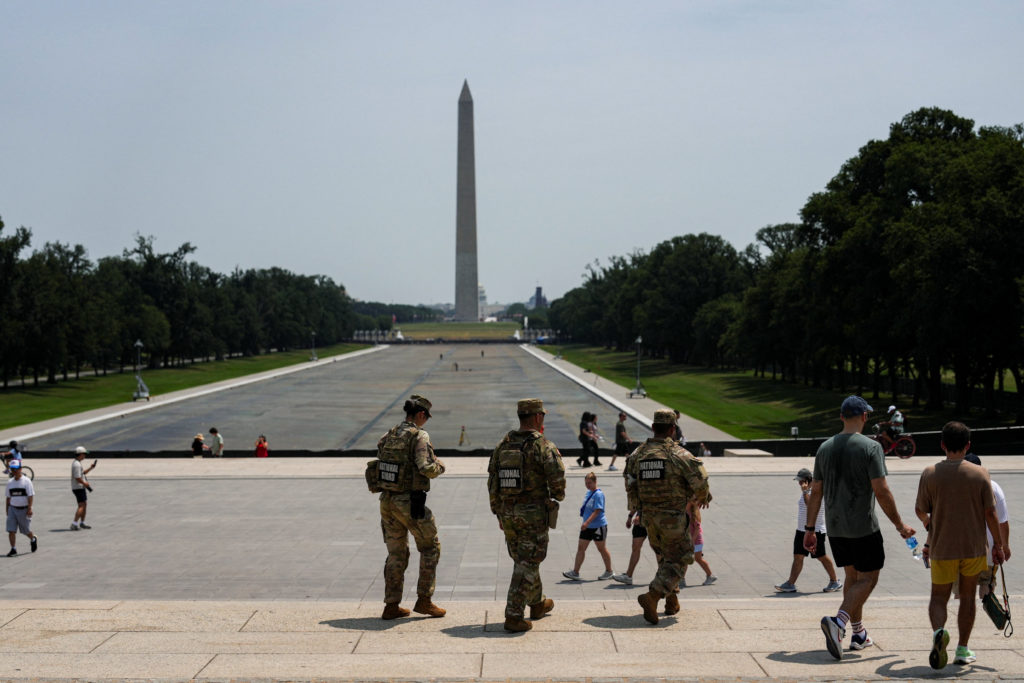
The Pentagon will keep the National Guard activated in Washington, D.C., through Inauguration Day 2029, extending one of the most visible symbols of President Donald Trump's anti-crime campaign for years to come. Unless the president decides otherwise, thousands of troops will remain a fixture on the streets of the nation's capital until the next presidential term begins.
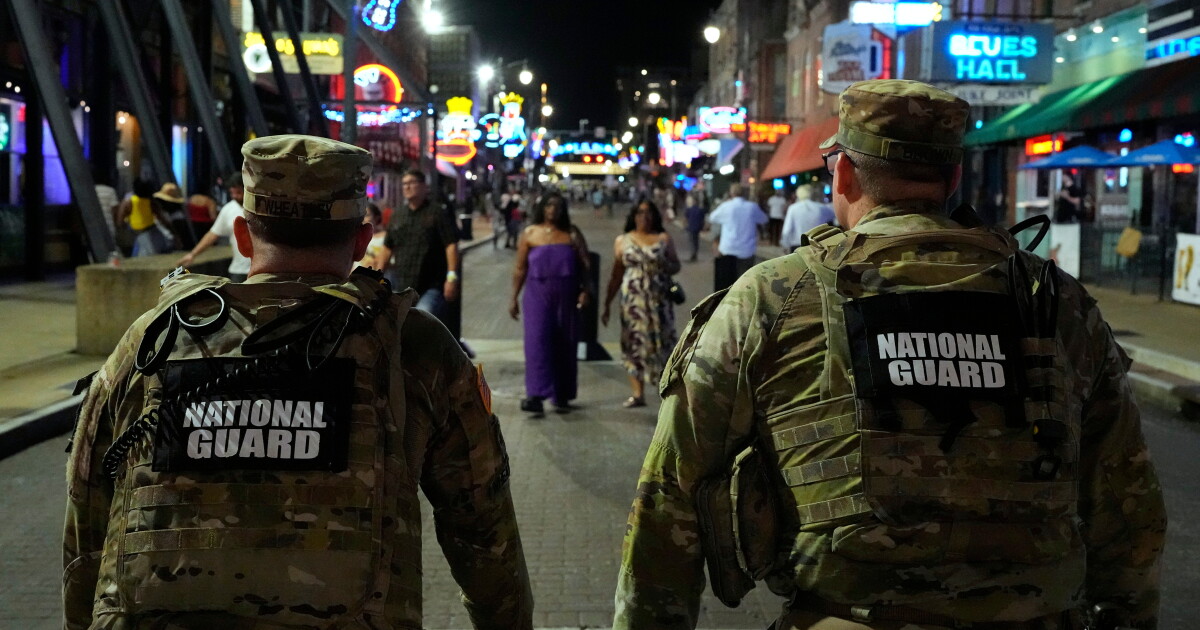
As of July 8, nearly 5,150 Guard members from multiple states were stationed in the District, with nine states and territories providing support for "Freedom 250" and related summer events running from May through the end of August. Trump first deployed the Guard to Washington in August 2025, invoking the city's unique federal status to do so after declaring a "crime emergency" and launching the D.C. Safe and Beautiful Task Force.
The extension is likely to reignite criticism that the mission is as much about political theater as public safety. Violent crime in Washington had already fallen to a 30-year low before the deployment began, and two separate studies have concluded that the Guard's presence has had little to no measurable effect on violent crime — finding that the recent declines would most likely have occurred regardless of the troops.
The cost is substantial. The nonpartisan Congressional Budget Office estimates the deployment runs to more than $3 million per day. The Project on Government Oversight projects that, with the new extension to 2029, the total bill will land somewhere between $2.5 billion and $3.4 billion, depending on how many troops ultimately remain in the city over the coming years.
Supporters of the mission argue that a sustained federal presence deters crime and reassures residents and the millions of tourists who visit the capital each year. Critics counter that the open-ended commitment militarizes an American city, strains Guard units and their civilian employers, and spends billions on a deployment that the data suggest is not driving the improvement in safety. With the extension now stretching across an entire presidential term, the debate over troops in Washington is set to become a lasting feature of the political landscape. The open-ended commitment also raises questions about strain on the Guard itself, whose part-time soldiers hold civilian jobs and can be worn down by repeated long activations far from home. Earlier in the mission, at least one governor moved to pull his state's troops out of Washington ahead of schedule, citing the cost and the questionable public-safety benefit. Legal scholars have noted that the president's power to deploy the Guard in the District stems from its unique federal status, an authority he does not hold over the 50 states without a governor's request or a rare invocation of emergency powers.