ICE Orders Halt to Most Vehicle Stops After Two Fatal Shootings in a Week
The Department of Homeland Security paused non-urgent traffic stops following deadly encounters in Texas and Maine, though agents may still stop people with violent criminal histories.

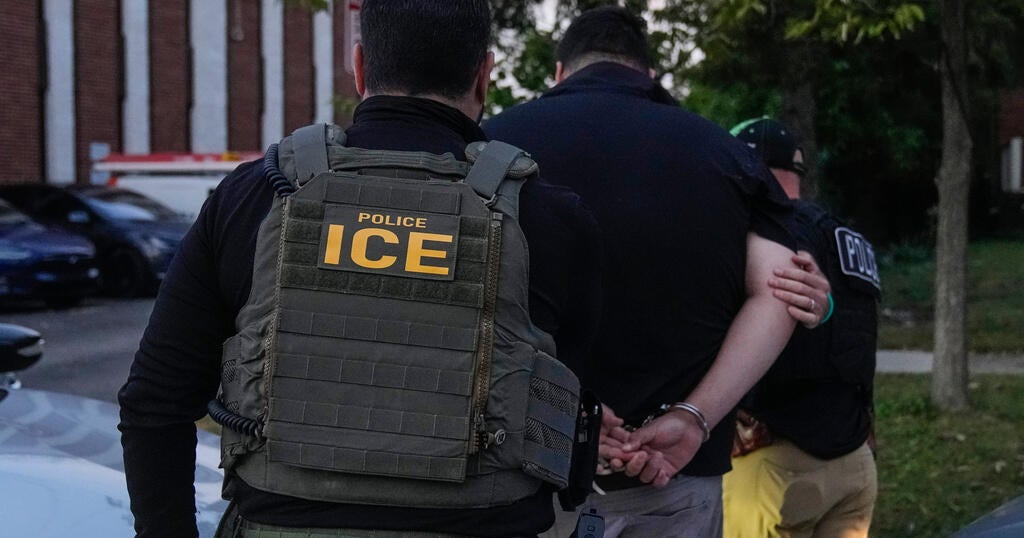
Immigration and Customs Enforcement will pause most non-urgent vehicle stops following two deadly agent-involved shootings in less than a week, according to officials briefed on the decision — a significant, if possibly temporary, shift in tactics for an agency at the center of the Trump administration's deportation drive. The Department of Homeland Security confirmed a change was underway even as it declined to detail how it would work.
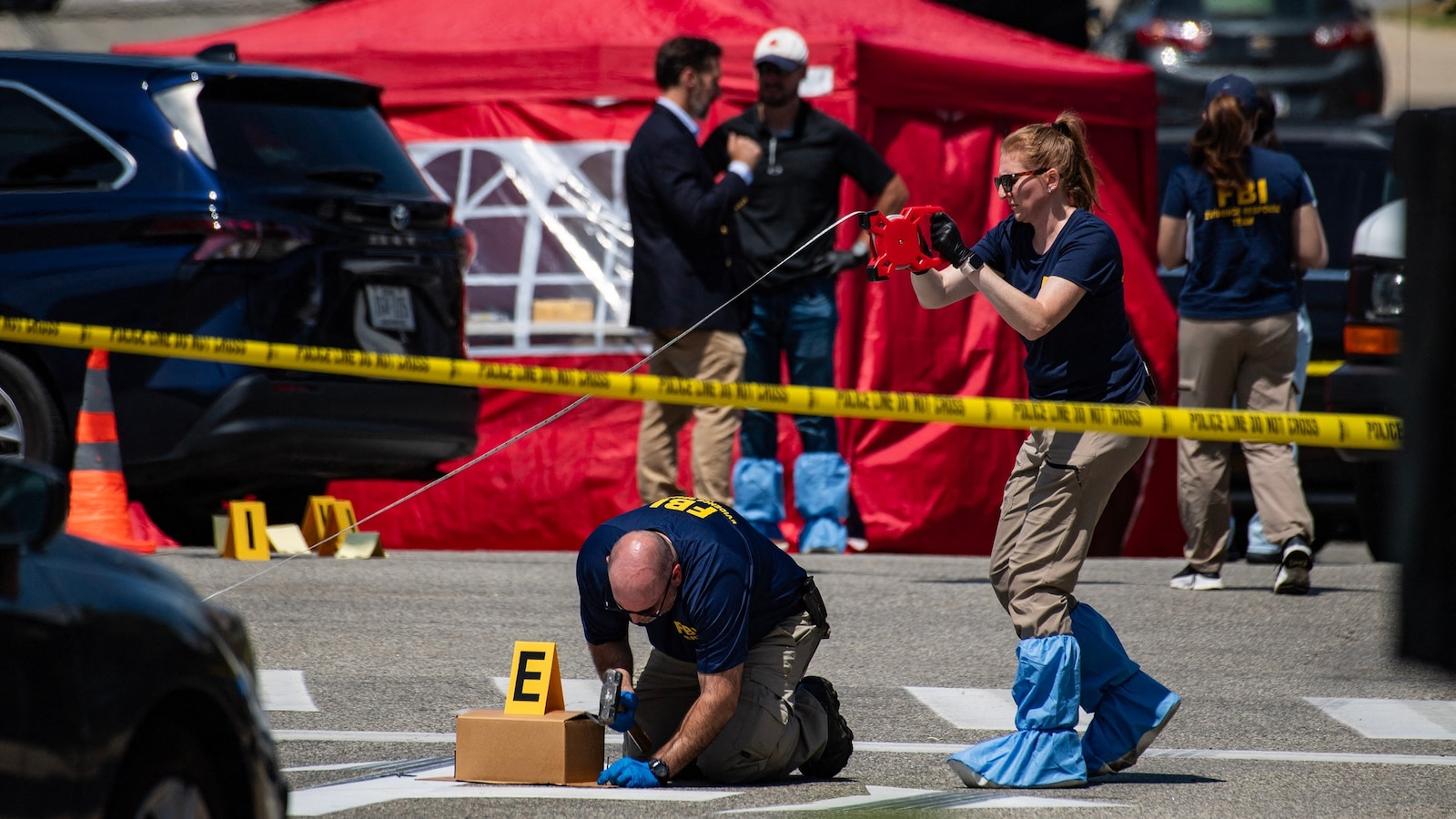
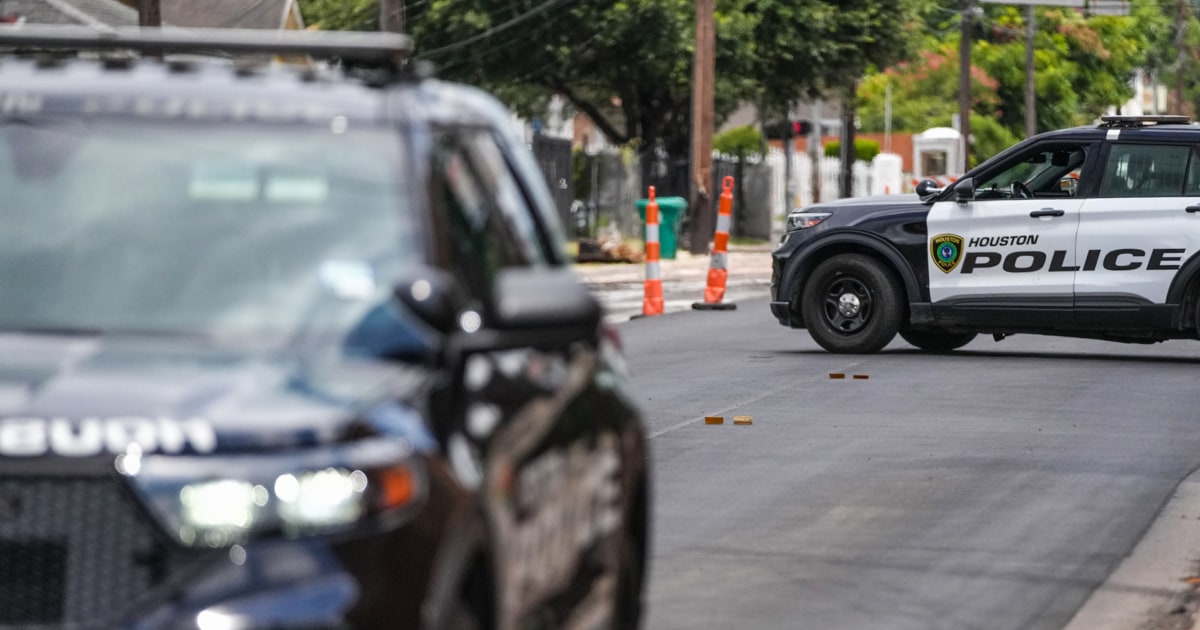
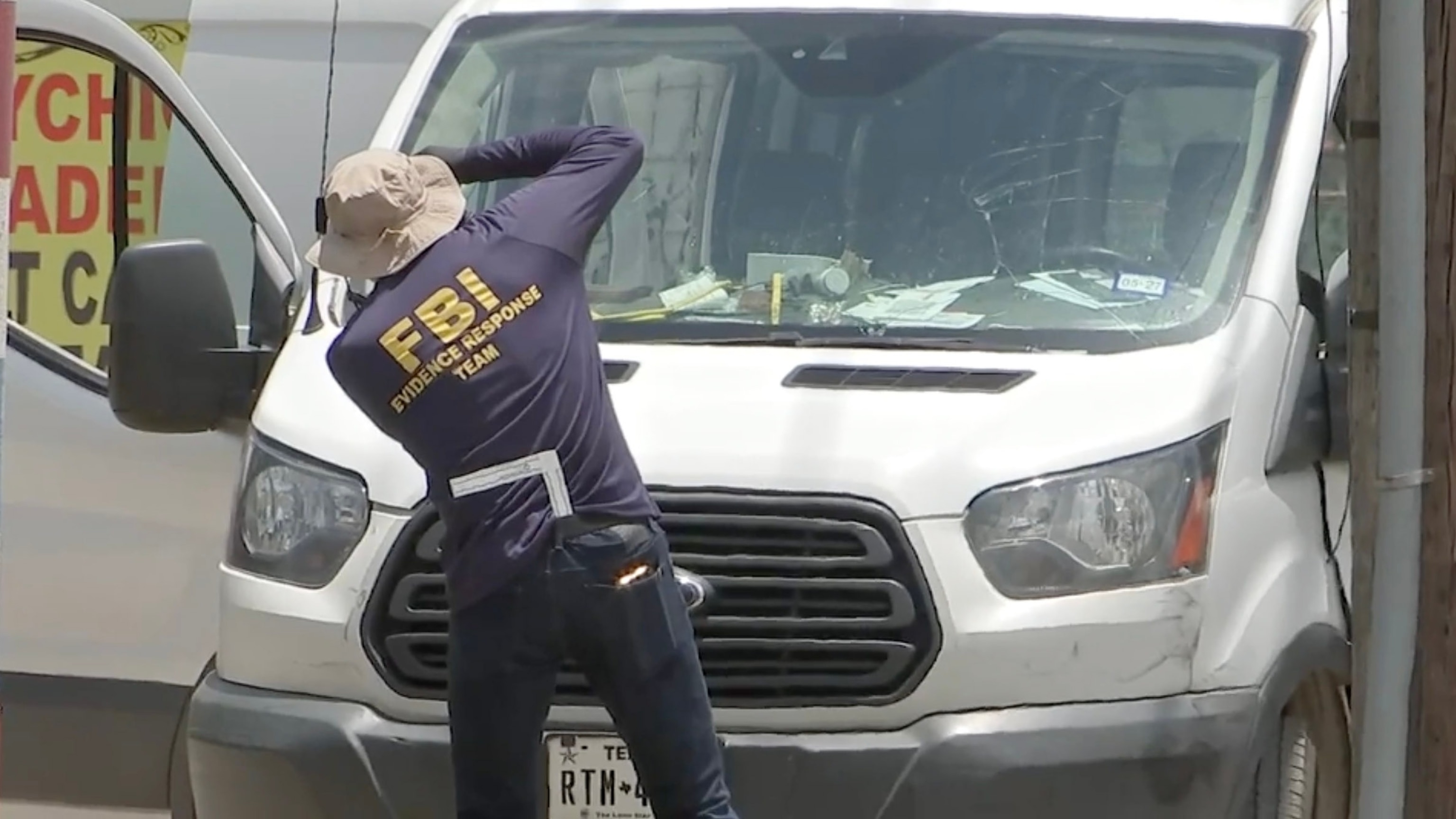
The pause follows the fatal shooting Monday of a 26-year-old Colombian man in Biddeford, Maine, whose vehicle ICE agents tried to pull over, and the killing days earlier of a man in Houston during a separate operation. In both cases, the agency has acknowledged that the person killed was not the intended target of the operation, fueling criticism that routine traffic stops were being turned into lethal confrontations.
Maine Senator Susan Collins said she had personally urged Homeland Security Secretary Mullin to halt all non-urgent vehicle stops, calling the recent killings unacceptable. Her intervention added to mounting bipartisan pressure on the agency to rein in tactics that critics say have made deadly errors more likely, particularly when agents open fire on moving vehicles in residential areas.
In a statement, DHS told NPR that it would not "disclose or discuss law enforcement tactics," leaving unclear exactly what the new guidance will mean in practice. Officials indicated that the pause applies to non-urgent stops and that targets with violent criminal histories would be exempt, meaning agents could still move against individuals deemed dangerous. The lack of specifics drew immediate questions from immigrant-rights advocates about how the policy would be enforced and monitored.
The shift is striking for an agency that has aggressively expanded street-level enforcement over the past year, and it amounts to at least a tacit acknowledgment that its methods have produced a string of fatal outcomes. By several counts, the Maine killing was the ninth death connected to the administration's immigration crackdown, and the second in a matter of days, a cadence that has drawn scrutiny from lawmakers, local officials and civil-rights groups.
For advocates, the pause is a partial and overdue step that leaves deeper questions unanswered — about accountability for the shootings, the release of body-camera footage, and whether the change will outlast the current wave of outrage. For the administration, it represents a rare recalibration under public pressure, one that will be tested by how agents behave on the ground in the days and weeks ahead.