Lightning Ignites Dozens of Wildfires Across Oregon and Washington, Forcing Evacuations
A barrage of nearly 9,000 dry-lightning strikes touched off scores of fires in a matter of days, pushing the Northwest to the nation's highest preparedness level as flames destroyed homes and choked the sky with smoke.
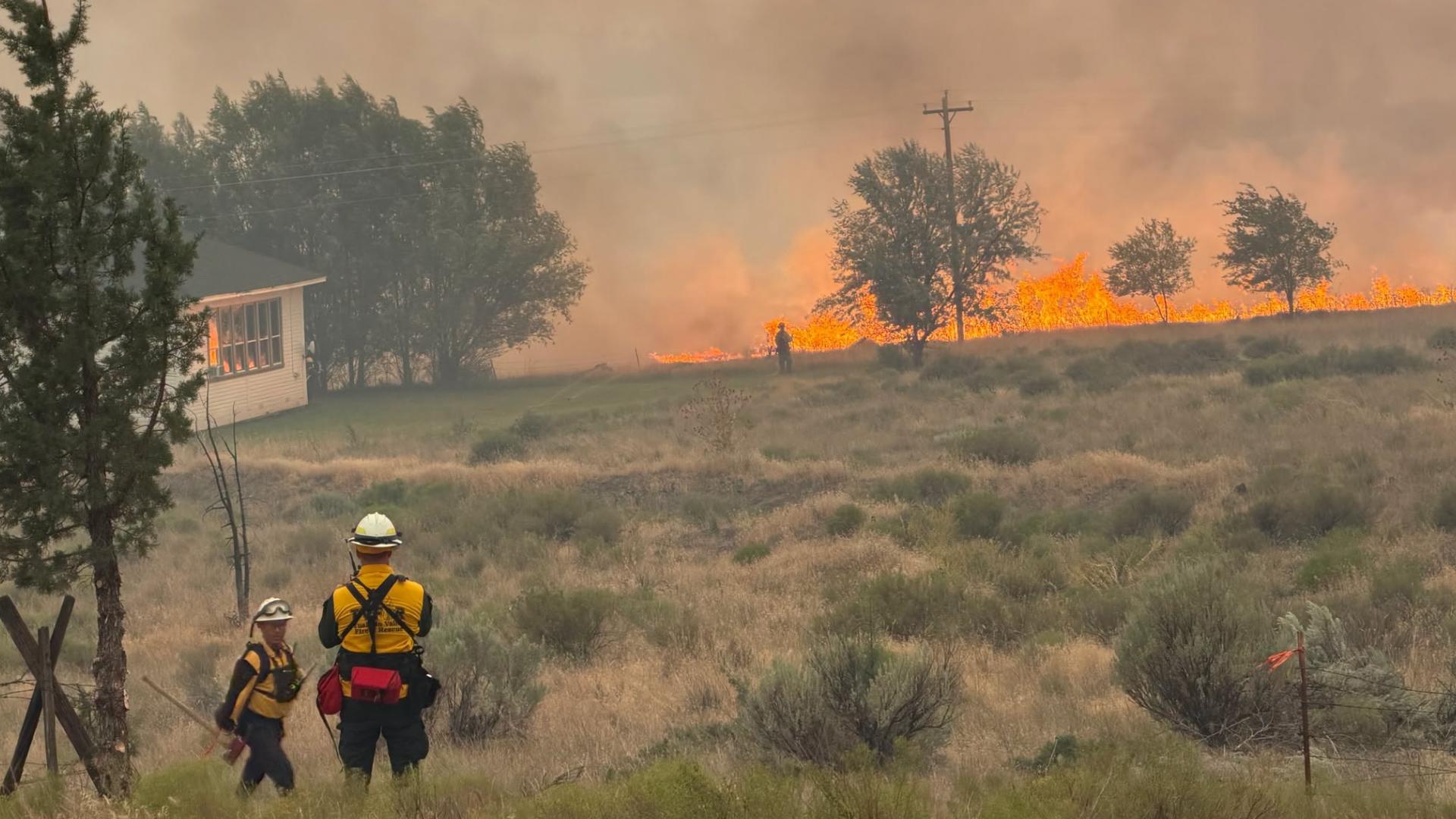
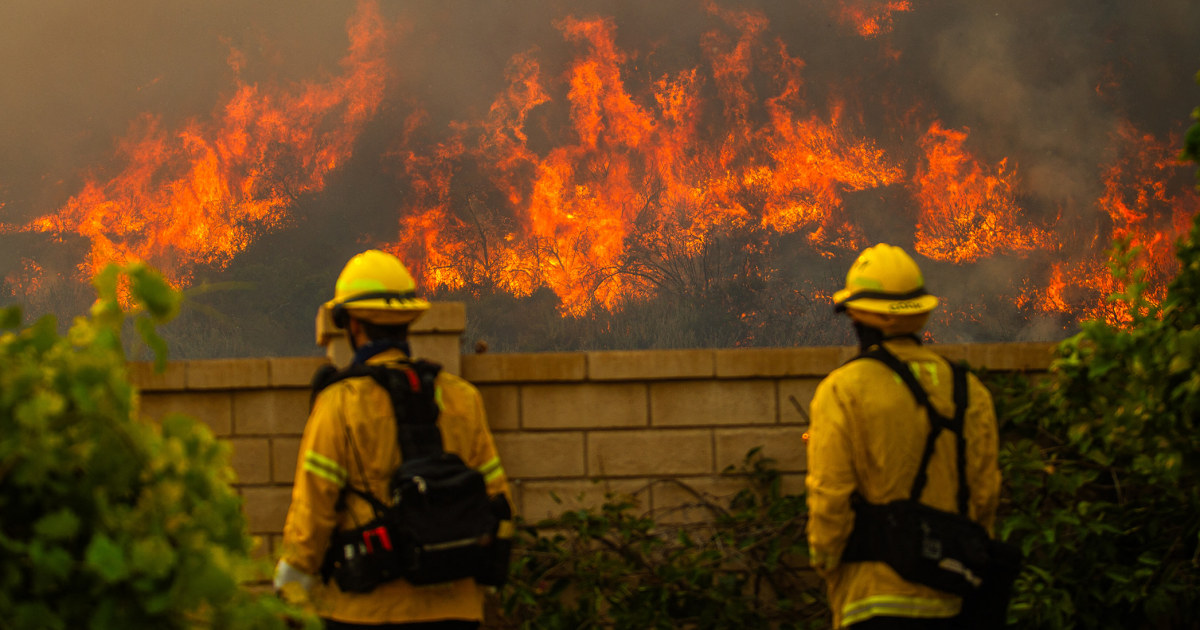
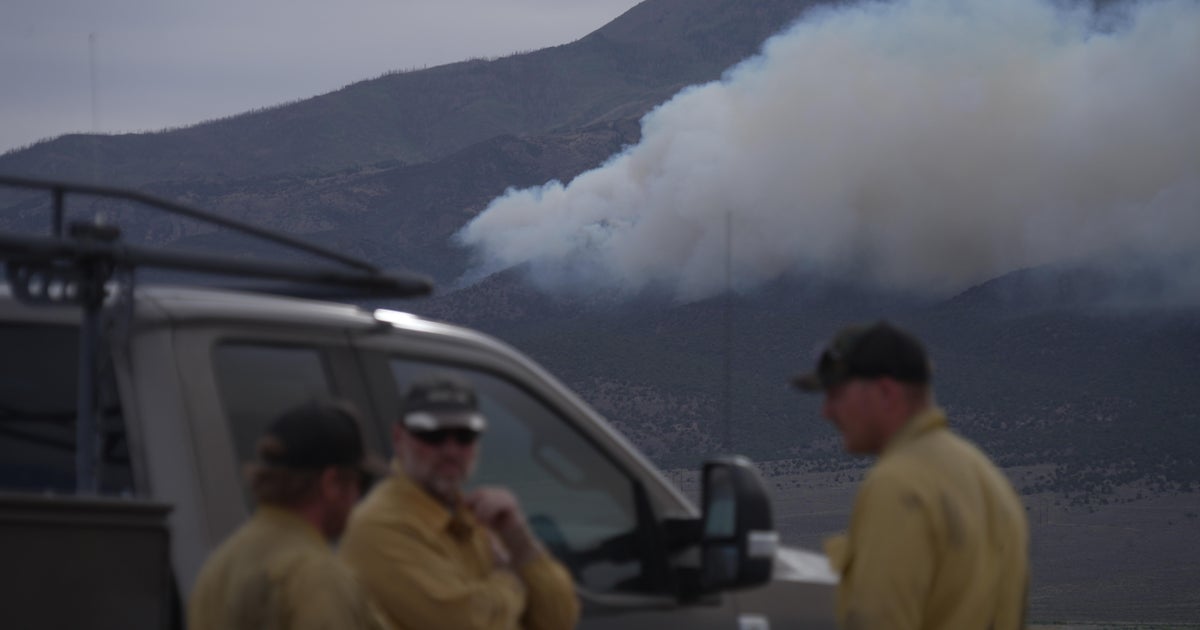
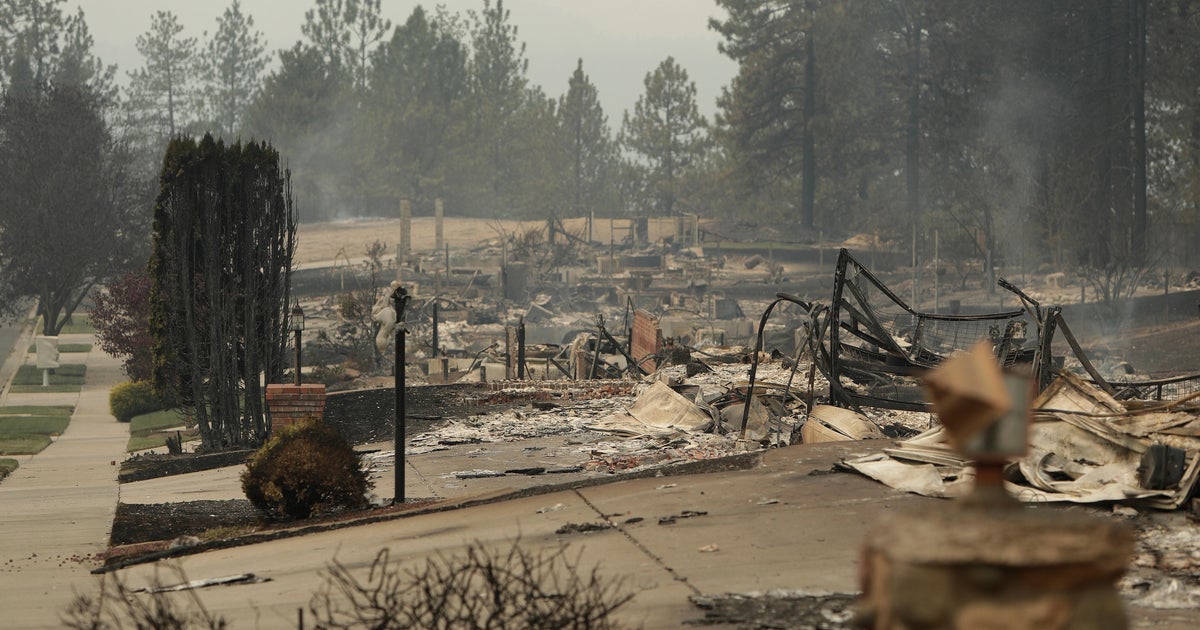
PORTLAND, Ore. — A relentless siege of dry lightning has ignited dozens of wildfires across Oregon and Washington, incinerating homes, forcing evacuations across multiple counties and shrouding much of the Pacific Northwest in smoke as the region lurches into an early and ferocious fire season.
Nearly 9,000 cloud-to-ground lightning strikes were recorded across the two states around July 17, most of them slamming down in a single frantic window between dawn and late morning. Days earlier, more than 2,000 strikes had hit Central Oregon alone, seeding more than 85 fires that fire officials watched explode under warm temperatures, low humidity and gusting winds. The National Weather Service blanketed the region with red flag warnings, and forecasters described the setup as almost cosmically unlucky.
More than three dozen active wildfires are now burning across Oregon and Washington. The Hay Creek Complex has grown into Oregon's largest active blaze, exceeding 92,000 acres after numerous lightning-caused fires merged under extreme conditions. To the east, the Lower Dry Creek Fire tore through rural properties near Athena in Umatilla County, destroying at least six homes along with dozens of barns, shops and agricultural buildings.
Communities across the interior sit under a patchwork of Level 1 "be ready," Level 2 "be set" and Level 3 "go now" evacuation notices. Highways, national forest lands and stretches of the John Day Fossil Beds National Monument have been closed as crews try to keep escape routes open and protect crews already stretched thin.
Oregon Gov. Tina Kotek has declared a state of emergency, and firefighting resources are pouring in from California and Washington to reinforce local crews. Nationwide, more than 17,600 firefighters are deployed, with the Northwest ranked as the most active fire region in the country and the National Preparedness Level pinned at 5, the highest rung on the scale.
The outbreak has strained firefighting resources at a moment when much of the West is primed to burn. Incident commanders described competing for the same air tankers, hotshot crews and bulldozers as fires flared simultaneously across dozens of ignition points, a scenario that leaves little slack if a new blaze threatens a populated area. Ranchers in the path of the Lower Dry Creek Fire scrambled to move livestock, while some rural residents chose to stay and defend their properties despite evacuation orders.
Fire managers warned that conditions are expected to remain critical through late July, with little rain in the forecast and the possibility of more thunderstorms that could spark fresh ignitions while offering scant moisture. Health officials urged residents in smoke-choked valleys to stay indoors as air quality plunged, a grim preview of a summer that meteorologists fear could rival the region's worst fire years.