G7 Nations to Release 100 Million Barrels of Oil and Diesel as Fuel Prices Soar
The release, coordinated through the International Energy Agency, comes after a week of pressure from the Trump administration. U.S. diesel averaged $6.37 a gallon on Friday, just under the record set on Sept. 22.

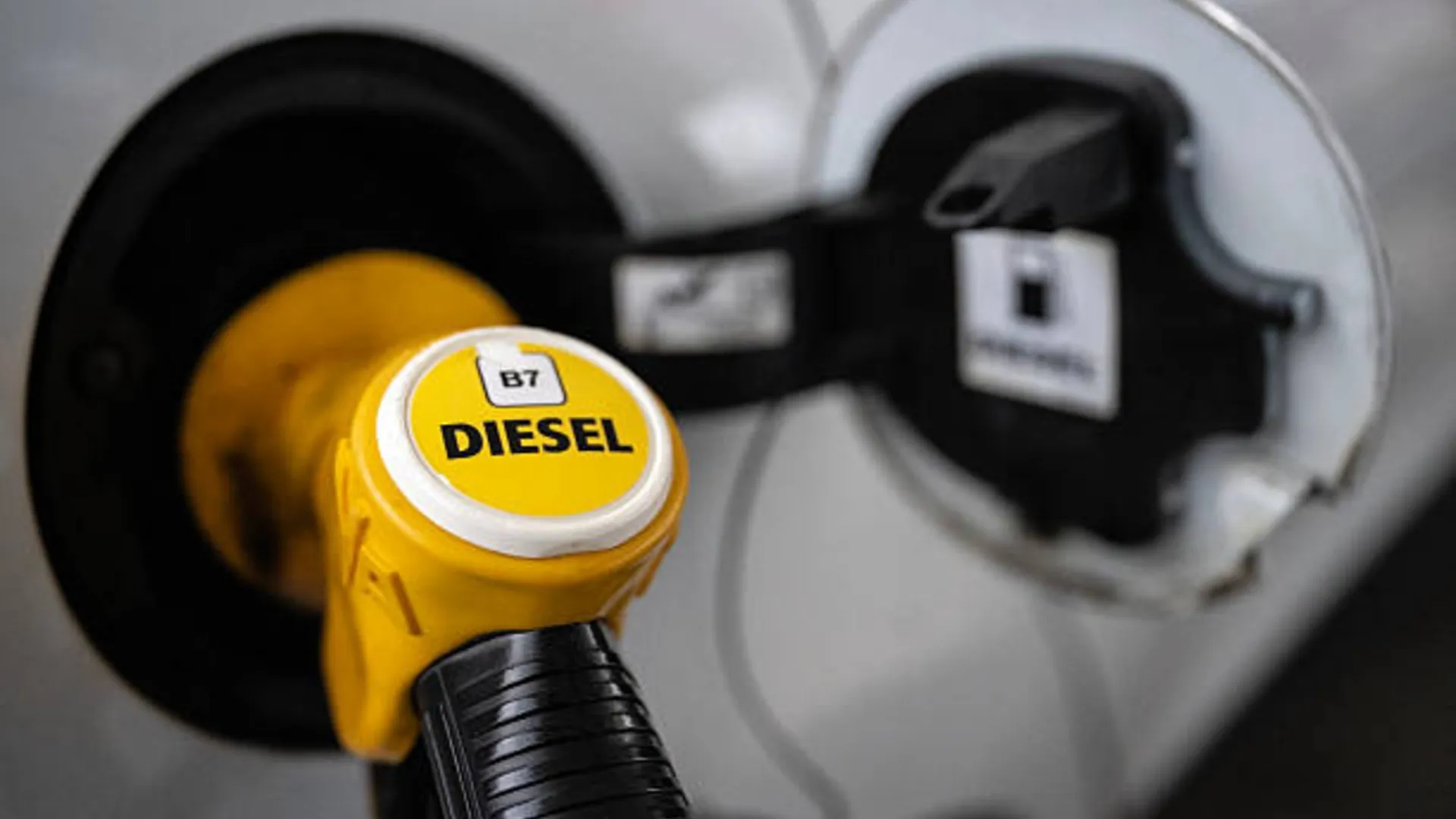
The Group of Seven wealthy democracies announced Friday that they will release up to 100 million barrels of diesel, gasoline and crude oil from their emergency stockpiles over the next four months, in an effort to bring down fuel prices that have climbed sharply since the war with Iran began.
The release will be coordinated through the International Energy Agency. In a joint statement, the G7 said it would include "a frontloaded substantial diesel release within the first 20 days by G7 members and partners." The move caps a week of mounting pressure from the Trump administration, which had been pushing allies to put more fuel on the market.
President Trump announced the European piece of the deal himself, writing that Europe had "just agreed to release a massive amount of their heavily stocked Diesel Oil." The announcement followed days of reporting that the White House was weighing a ban on U.S. diesel exports, an idea Goldman Sachs warned could push gasoline prices higher. Friday's agreement gives the administration a way to point to action without restricting American exports.
The price numbers explain the urgency. The national average for a gallon of diesel in the United States was $6.37 on Friday, according to AAA, after hitting a record $6.52 on Sept. 22. U.S. diesel inventories fell to 107.9 million barrels on Sept. 11, a historic low. Diesel fuels trucks, trains, farm equipment and shipping, so higher prices ripple through the cost of nearly everything Americans buy.
The squeeze traces back to the U.S.-Israeli war with Iran, which began Feb. 28 and has disrupted shipping through the Strait of Hormuz, the narrow waterway that carries a large share of the world's oil. Tankers have been hit near the strait in recent days, and a fire broke out at a Saudi Arabian oil facility. Earlier this year the IEA agreed to a record emergency release of 400 million barrels, and prices have still stayed elevated.
Europe holds a substantial cushion. The European Union and Britain together hold about 52 million tonnes of petroleum stocks, including roughly 38 million tonnes in emergency reserves. EU rules require member states to keep reserves covering at least 90 days of net imports, so any drawdown has to be weighed against that legal floor.
Gasoline is moving in a gentler direction than diesel. The national average for a gallon of regular stood at $4.38 this weekend, down from $4.49 a week earlier, according to figures cited in coverage of Trump's remarks. Speaking at a rally in Mobile, Alabama, the president predicted that "oil prices will come tumbling down" once the war ends, and said it would end "very soon."
A four-month release only buys time. It does not reopen blocked shipping lanes or replace output lost when Gulf facilities are damaged. Frontloading the diesel is meant to ease the tightest part of the market first, before the colder months raise demand.
For households and businesses the question is how fast any relief shows up at the pump and the loading dock. The G7 has promised speed on diesel in particular, and the first 20 days will be the first test of whether the barrels move fast enough to dent prices that are still near record highs.