U.S. Diesel Prices Breach $5 a Gallon Amid Iran War Supply Disruptions
Fuel costs hit highest level since late 2022 as ongoing conflict roils global energy markets and threatens economic stability

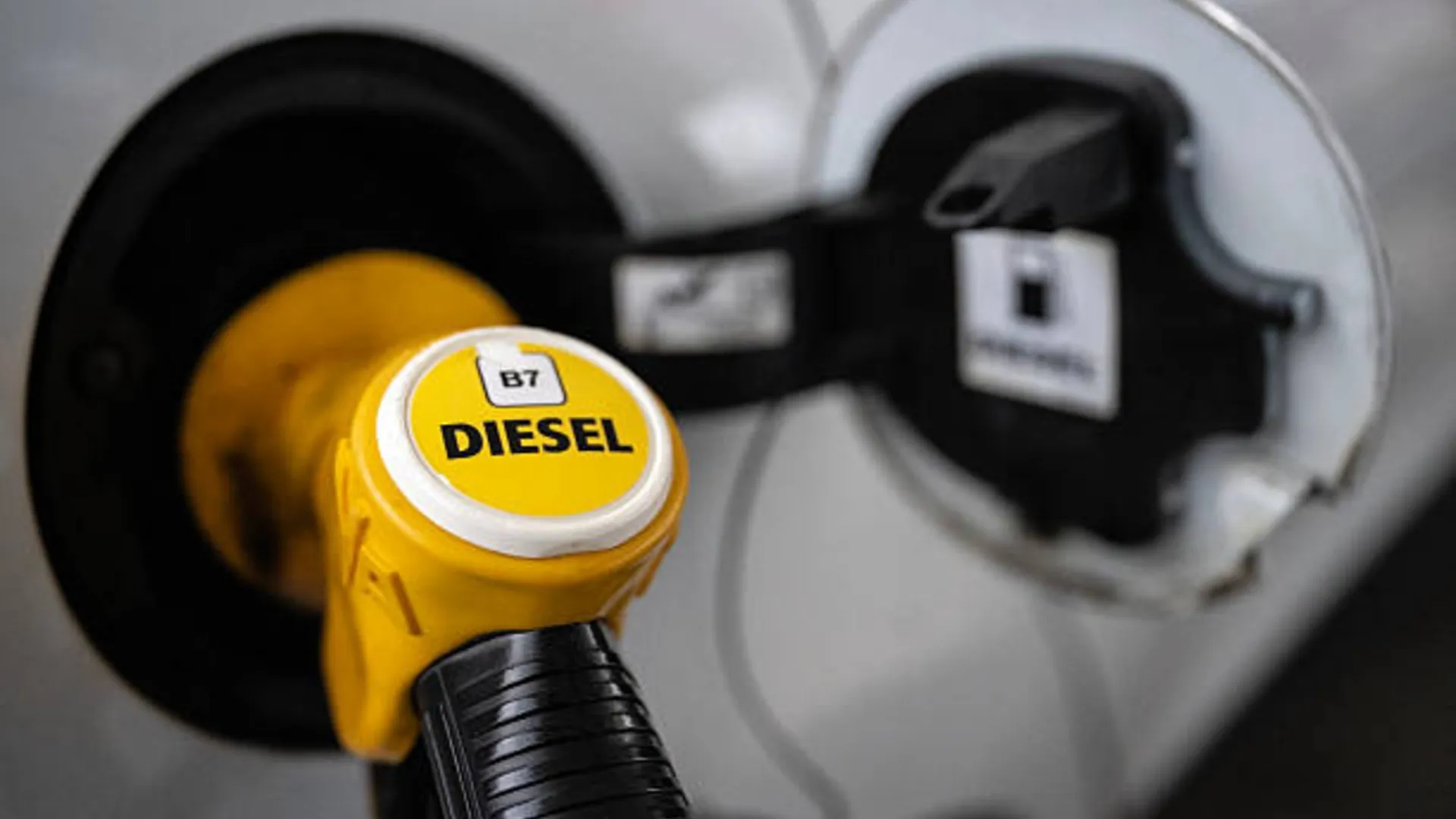
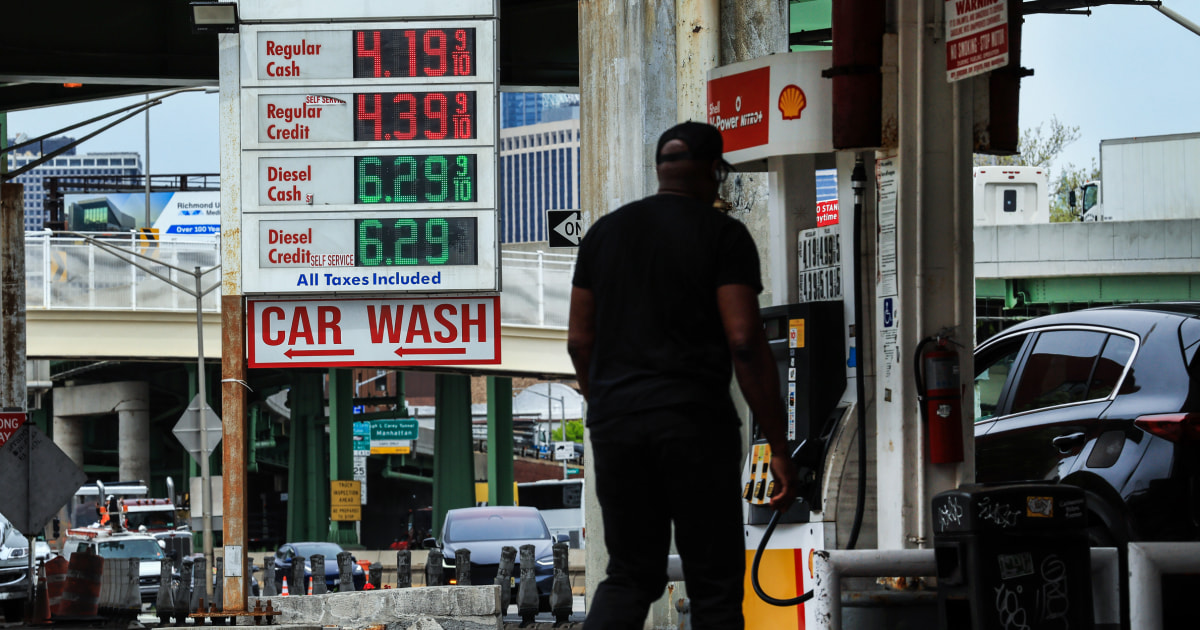
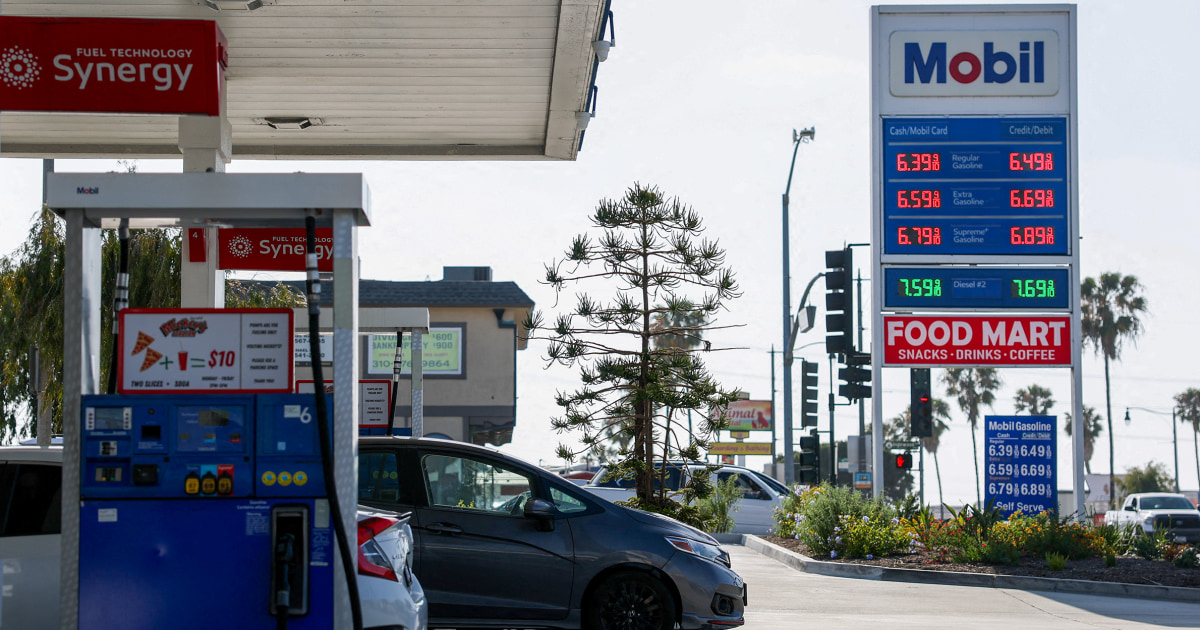
Diesel prices in the United States have surpassed $5 per gallon for the first time since December 2022, driven by persistent supply chain disruptions linked to the ongoing war in Iran. The milestone, reported on March 17, underscores the mounting strain that geopolitical instability in the Middle East is placing on global energy markets and the broader economy.
The surge in diesel — the workhorse fuel powering freight trucks, agricultural equipment, and industrial machinery — carries outsized implications for consumer prices and economic growth. Unlike gasoline, which primarily affects household budgets at the pump, diesel costs ripple through virtually every sector of the economy by raising transportation and manufacturing expenses. When diesel climbs, the cost of moving goods from ports to warehouses to store shelves climbs with it, amplifying inflationary pressures that central banks and policymakers are already struggling to contain.
The war in Iran has disrupted critical energy supply routes and rattled oil markets for months, but the breach of the $5 threshold signals that the conflict's economic toll is intensifying rather than stabilizing. The last time diesel reached this level, the global economy was grappling with the energy shock triggered by Russia's invasion of Ukraine, which sent commodity prices spiraling and contributed to the worst inflation cycle in decades. The return to those price levels suggests that the current conflict is generating a comparable degree of market stress.
For American businesses, particularly in logistics, agriculture, and construction, the price spike threatens to compress already-thin margins and could accelerate a pass-through of costs to consumers in the weeks ahead. Trucking companies, which consume the vast majority of on-road diesel in the U.S., face especially acute pressure, with fuel often representing their single largest operating expense.
Analysts will be watching closely to see whether the price increase proves transient or marks the beginning of a more sustained run-up. Much depends on the trajectory of the Iran conflict and whether diplomatic efforts can restore some stability to the region's energy infrastructure. In the meantime, the $5 diesel price stands as a stark barometer of the war's far-reaching economic consequences.