Scientists Discover Giant Sea Predator 'Tylosaurus rex' That Terrorized Ancient Oceans
43-foot marine reptile from Texas fossil reveals brutal predator that dominated prehistoric seas 80 million years ago.
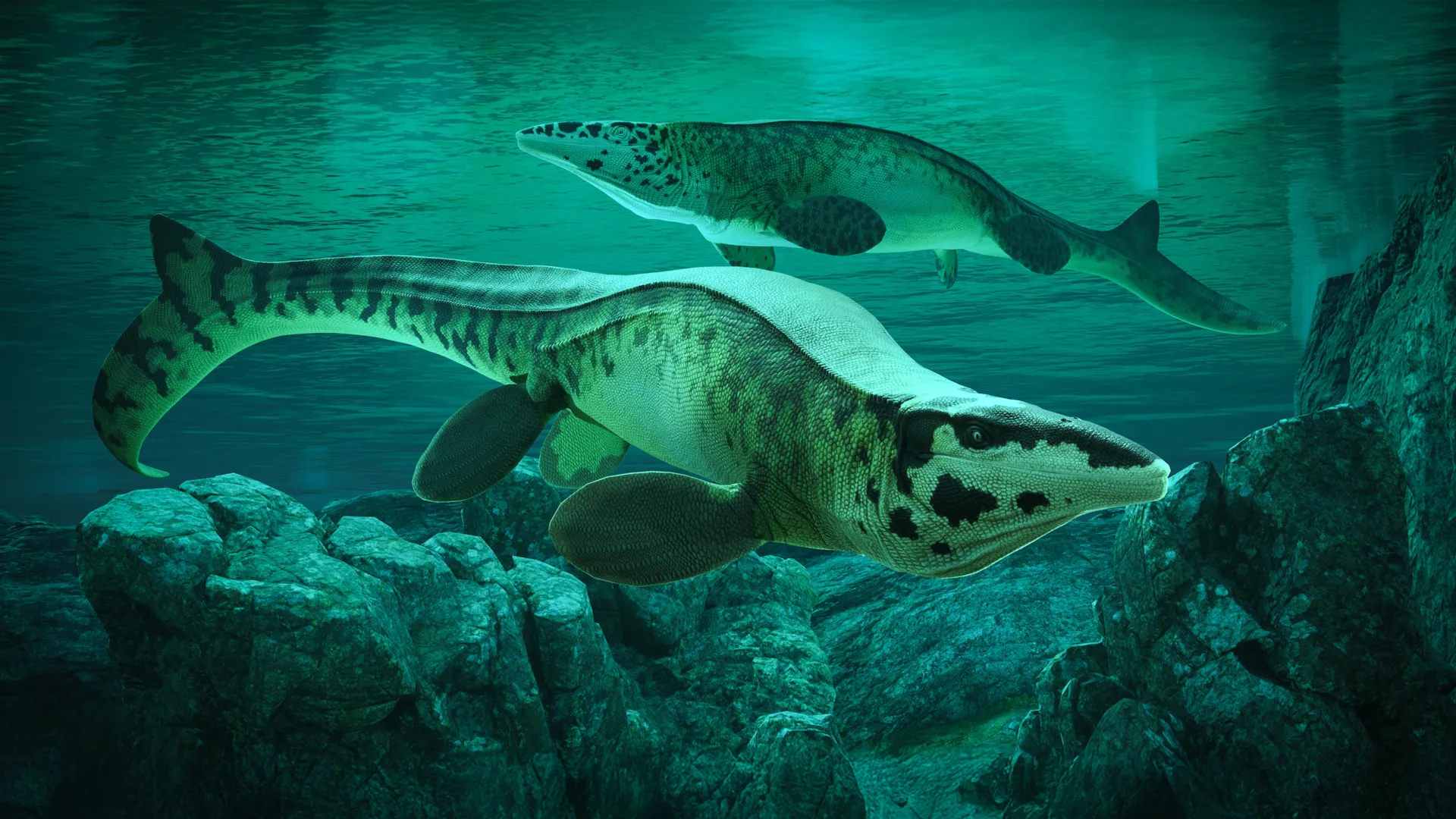
Scientists have identified a massive new species of prehistoric marine reptile that ruled ancient oceans with brutal efficiency, naming the 43-foot predator Tylosaurus rex in honor of both its fearsome nature and a dedicated paleontologist who first recognized its unique characteristics. The discovery not only introduces one of the largest mosasaurs ever documented but also provides new insights into the evolution and behavior of these apex marine predators that lived alongside the dinosaurs.
The research, led by scientists from the American Museum of Natural History, the Perot Museum of Nature and Science, and Southern Methodist University, was based on fossils found primarily in northern Texas dating back approximately 80 million years. Lead author Amelia Zietlow noted that "everything is bigger in Texas and that includes the mosasaurs, apparently," highlighting the extraordinary size of this newly identified species that dwarfed most other known marine reptiles of its era.
The discovery began when researchers noticed that a fossil in the American Museum of Natural History's collection had been incorrectly identified as another species, Tylosaurus proriger. After comparing the specimen with the original T. proriger fossil at Harvard University's Museum of Comparative Zoology, scientists realized they were dealing with an entirely different and more formidable predator. More than a dozen similar fossils stored in various museums were eventually connected to the new species, providing a comprehensive picture of this ancient giant.
Tylosaurus rex possessed several distinctive features that set it apart from its relatives, including finely serrated teeth rarely seen in mosasaurs, adaptations for exceptionally powerful jaw and neck muscles, and a significantly larger overall body size. The species was roughly twice the length of the largest great white sharks and appeared to be "a much meaner animal than other mosasaurs," according to study co-author Ron Tykoski from the Perot Museum. The holotype specimen is currently displayed at the Perot Museum in Dallas, having been originally discovered in 1979 near an artificial reservoir outside the city.
The name Tylosaurus rex serves as both a scientific designation and a tribute to paleontologist John Thurmond, who in the late 1960s recognized that giant tylosaurs from northeast Texas appeared unusually large and potentially represented a separate species. Thurmond informally referred to them as "Tylosaurus thalassotyrannus," meaning "sea tyrant," presaging the official recognition of this formidable predator that dominated ancient marine ecosystems with its combination of massive size, powerful weaponry, and aggressive hunting adaptations.