A Handful of Fossil Teeth Reveals a Lost Branch of Australia's Marsupial Family Tree
Scientists say tiny insect-eating creatures from Queensland's Riversleigh fossil beds belong to an entirely new marsupial order, Keeunamorphia, that thrived for 35 million years before vanishing.
A few fossilized teeth unearthed in the fossil-rich limestone of northwestern Queensland have rewritten a chapter of Australia's evolutionary story, revealing a previously unknown branch of the marsupial family tree that flourished for tens of millions of years before quietly disappearing.
Scientists studying specimens from the Riversleigh World Heritage Area, one of the world's most important fossil sites, have identified a new order of marsupials they have named Keeunamorphia. The classification is a significant one: an "order" is a broad grouping in the tree of life, and recognizing a new one implies the discovery of a distinct lineage that evolved along its own path, separate from the ancestors of Australia's living kangaroos, koalas and possums.
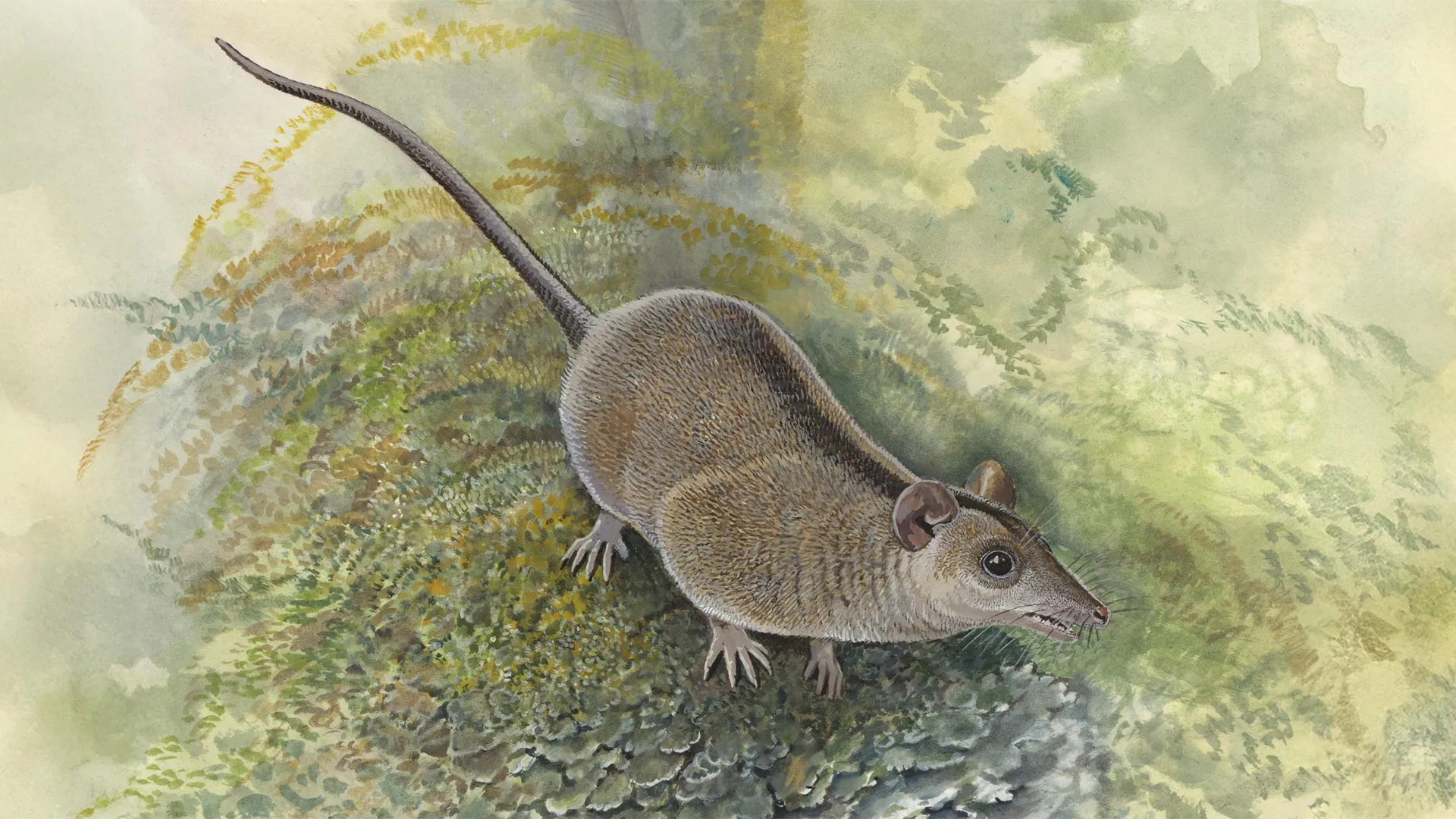
The animals themselves were unassuming. Based on the fossils — which date to the Early Miocene epoch — the creatures were probably small insect eaters weighing somewhere between 25 and 200 grams, roughly the range of a mouse to a large rat. They scurried through the lush forests that once blanketed what is now the arid interior of north Queensland, feeding on the abundant insect life of a far greener continent.
Remarkably, the researchers conclude that the Keeunamorphia order persisted for about 35 million years, an immense span of evolutionary time, before the lineage finally died out around 15 million years ago. Their long tenure and eventual disappearance likely track the dramatic transformation of the Australian landscape, as ancient rainforests gave way to the drier, more open habitats that dominate the continent today.
The discovery challenges a long-held assumption that Australia's distinctive marsupials all descended from a single, straightforward ancestral lineage. Instead, the fossils suggest the continent's early mammal fauna was more diverse and tangled than previously thought, with multiple branches experimenting with different ways of life — and some, like Keeunamorphia, ultimately reaching a dead end.
Riversleigh, in the remote north of Queensland, has long been a treasure house for such revelations. Its ancient limestone deposits, laid down when the region was a mosaic of lush rainforest and freshwater pools, have yielded fossils of marsupial lions, giant flightless birds and countless smaller creatures, offering one of the richest records anywhere of how Australia's mammals evolved in isolation. Keeunamorphia now joins that cast as a wholly unexpected addition.
For paleontologists, the find is a reminder of how much evolutionary history can hinge on the smallest of clues. From a handful of teeth, scientists have resurrected an entire order of animals that lived, diversified and vanished long before humans arrived — a lost world preserved in stone at Riversleigh, waiting to be read.