240-Million-Year-Old Giant 'Sand Creeper' Found Hidden in Retaining Wall
Scientists have identified Arenaerpeton supinatus, an ancient amphibian preserved with rare skin traces, after the fossil spent decades forgotten inside a garden wall.
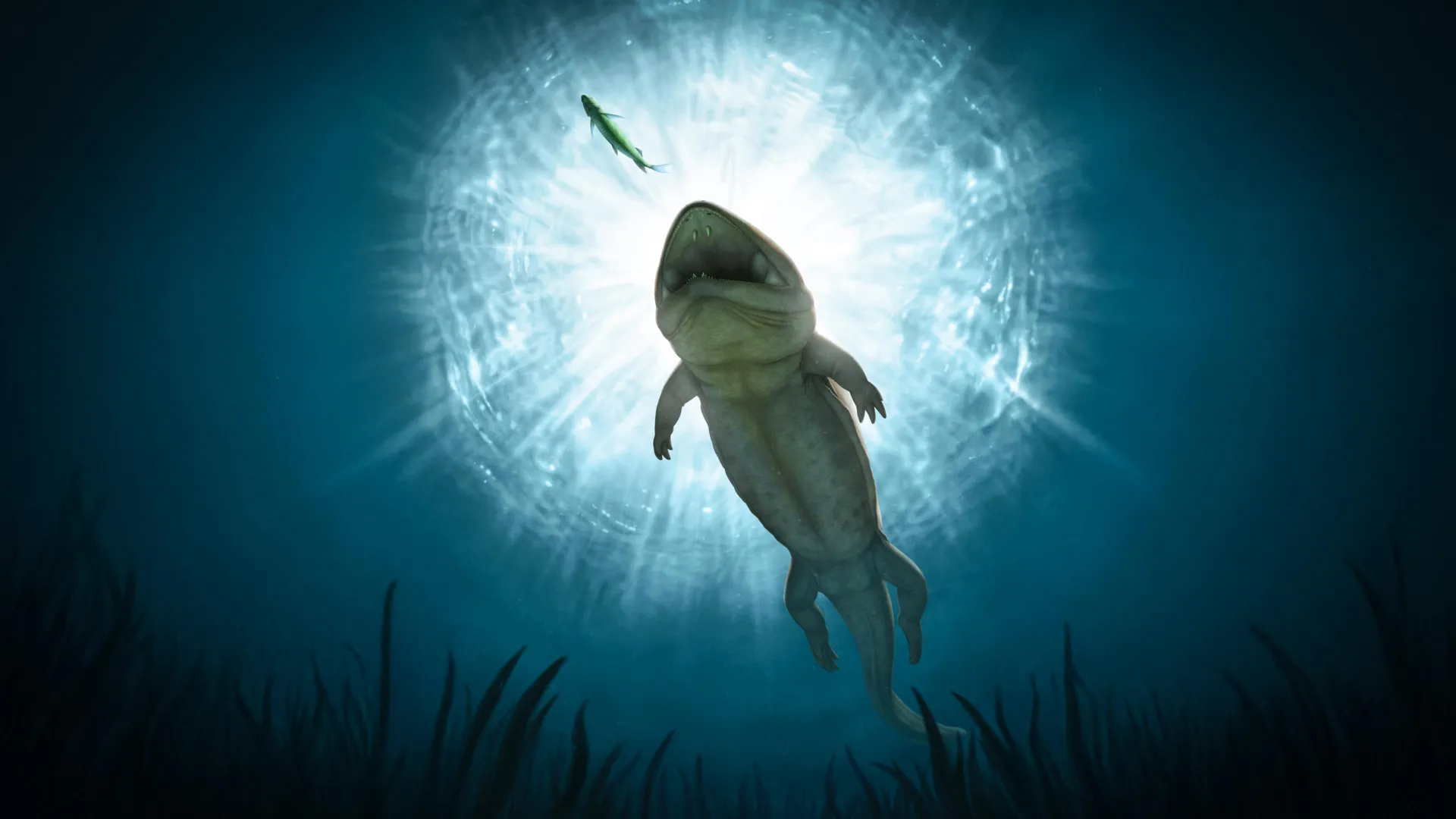
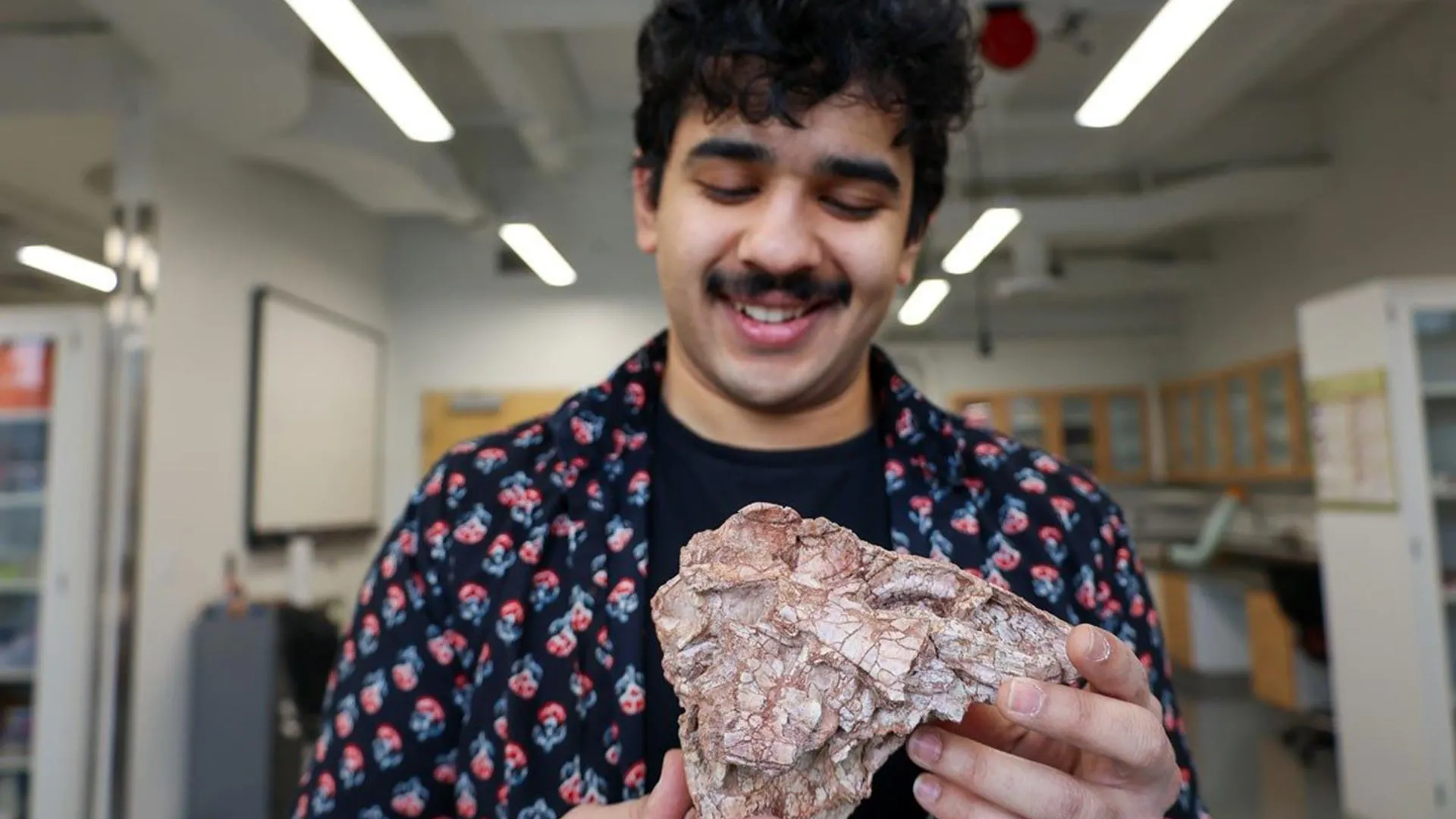
A remarkable 240-million-year-old fossil has finally received formal scientific recognition after spending decades hidden inside a suburban retaining wall, with researchers from UNSW Sydney and the Australian Museum identifying the ancient amphibian as Arenaerpeton supinatus, meaning 'supine sand creeper.' The exceptional preservation includes not only an almost complete skeleton but also rare traces of soft tissue, making it one of Australia's most significant prehistoric discoveries.
The fossil's unusual journey to scientific prominence began in the 1990s when a retired chicken farmer sourced rocks from a local quarry to build a garden retaining wall. Among those construction materials was the limestone block containing the preserved remains of the ancient predator. The fossil was later donated to the Australian Museum in Sydney, where it remained in storage until paleontologists recognized its extraordinary significance and began detailed analysis.
Paleontologist Lachlan Hart, a PhD candidate at UNSW's School of Biological, Earth and Environmental Sciences, emphasized the specimen's exceptional preservation quality. The fossil represents a unique example of temnospondyls, a group of extinct amphibians that lived before and during the time of dinosaurs. Hart noted that finding skeletons with head and body still attached is uncommon, while the preservation of soft tissue outlines is even more extraordinary in paleontological discoveries.
Arenaerpeton inhabited freshwater environments in what is now the Sydney Basin during the Triassic period, likely preying on ancient fish such as Cleithrolepis. The creature measured approximately 1.2 meters from head to tail, making it unusually large compared to many related species from the same time period. Its appearance may have resembled a modern Chinese Giant Salamander in head shape, though the fossil evidence indicates it was considerably more robust, with notable features including fearsome fang-like tusks on the roof of its mouth.
Dr. Matthew McCurry, Senior Lecturer at UNSW and Curator of Palaeontology at the Australian Museum, described the discovery as one of the most important fossils found in New South Wales in the past three decades. The find provides crucial insights into Australian prehistoric ecosystems and demonstrates the remarkable resilience of temnospondyl amphibians, which survived in Australia for an additional 120 million years after Arenaerpeton's time, enduring two major mass extinction events. The discovery underscores how significant scientific findings can emerge from the most unexpected places, even garden construction projects.