Rabbit-Sized Gobi Fossil Overturns 40 Years of Guesswork About a Group of Cretaceous Mammals
A nearly complete skeleton of Tamirkhan balcarceli shows that zhelestids, long assumed to be early hoofed-mammal relatives, belonged to an entirely different lineage.
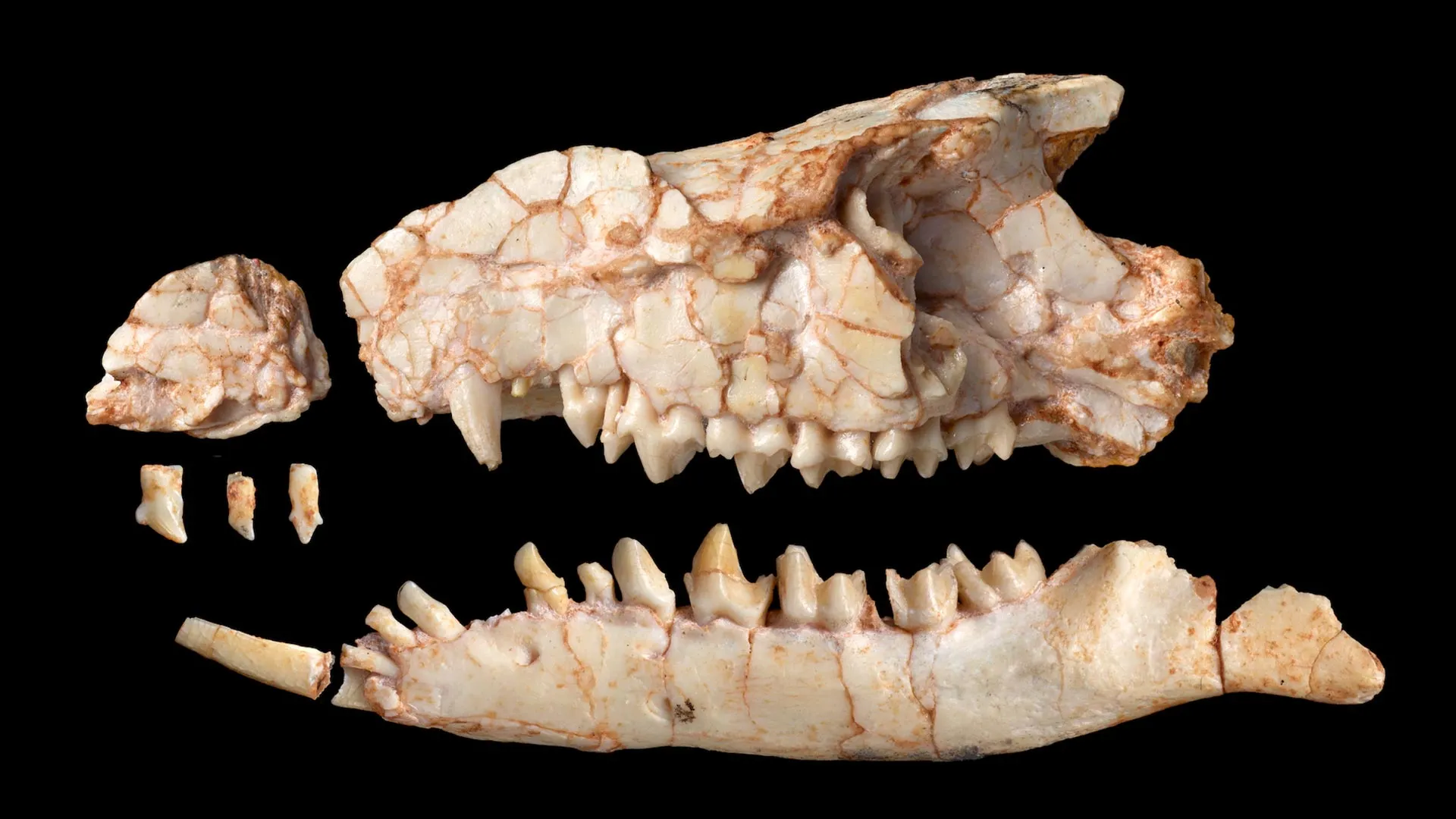
For nearly four decades, paleontologists have argued over a group of small Cretaceous mammals called zhelestids, and they have done it almost entirely by staring at teeth. A beautifully preserved skeleton from Mongolia's Gobi Desert has now settled the question, and the answer is not the one many had expected.
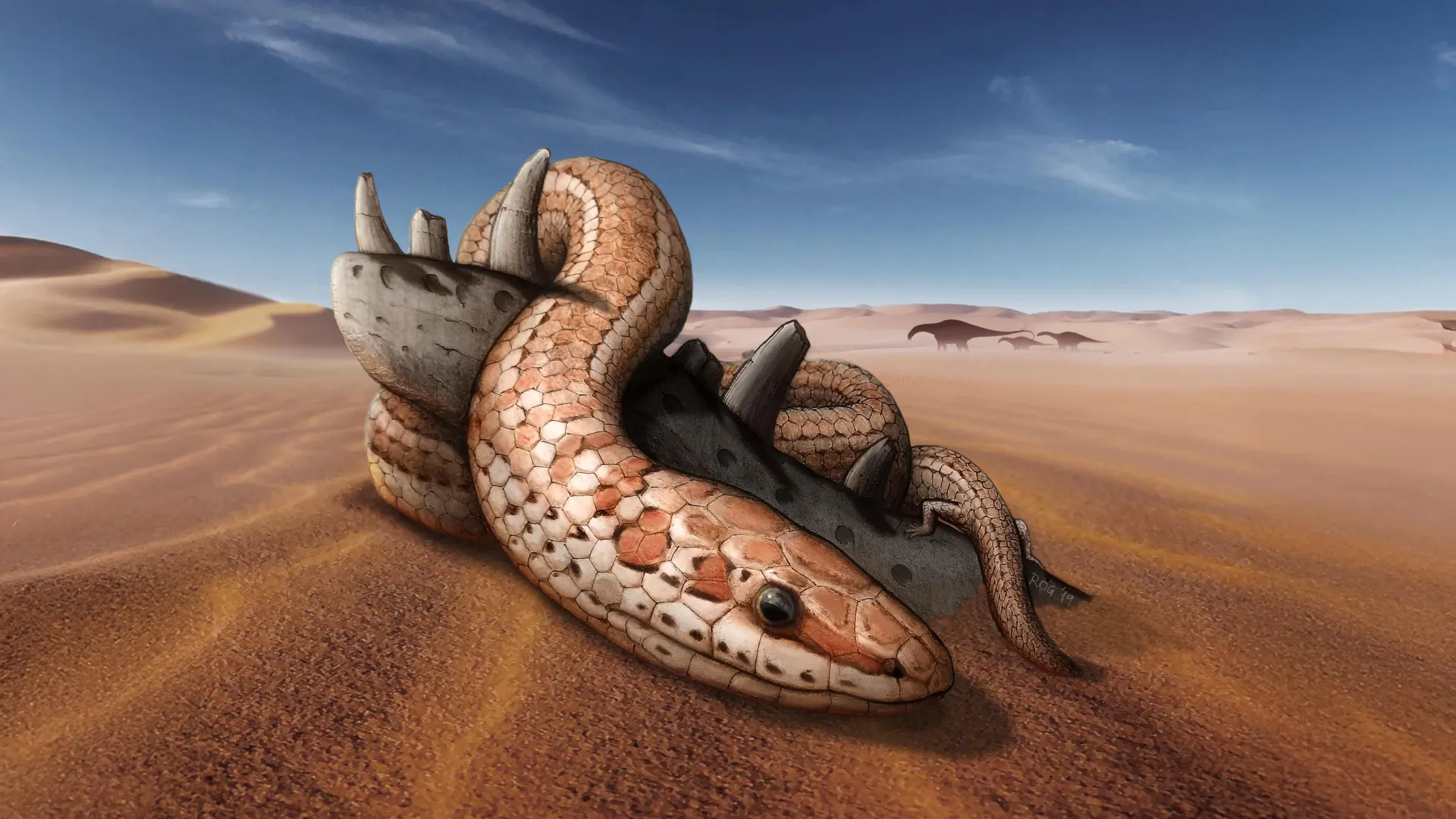
The animal is Tamirkhan balcarceli, described in the journal Nature by a team led by the American Museum of Natural History. It measured about 6 to 7 inches from head to tail, roughly the length of a new pencil. It had long hind legs built for hopping, long ever-growing incisors and rounded teeth suited to eating plants, giving it a rabbit-like look millions of years before real rabbits existed.
Until now, zhelestids were known mostly from isolated teeth and fragments. Their teeth were unusually specialized for chewing plants compared with the sharp, insect-eating teeth common among mammals of the time. That led some researchers to propose that zhelestids were early members of the placental mammal line, possibly ancestors of hoofed animals like horses and cattle.
The new skeleton shows otherwise. The complete bones reveal that zhelestids were a subset of zalambdalestoids, a separate mammal lineage, and not early relatives of modern placental groups. The plant-eating teeth that fooled researchers arose through convergent evolution, in which unrelated animals develop similar features because they face similar diets.
The fossil was collected in the eastern Gobi Desert in 2004 by Andres Giallombardo, then a graduate student, during a museum-sponsored expedition. He is now the lead author of the Nature paper. His coauthors include Paul Velazco, Shawn Zack, Maureen O'Leary, Michael Novacek and Eva Hoffman, with researchers from Stony Brook University, the University of Arizona, Arcadia University and Yale University.
"Teeth cannot always tell us how the whole animal looked," the team's findings emphasize, and the case is a warning for a field that leans heavily on teeth, the most commonly preserved part of small fossil mammals. Many classifications built on dental features alone may be similarly shaky. The finding also redraws part of the family tree of mammals from the age of dinosaurs, showing that the plant-eating niche was filled several times by groups that were only distantly related.
The lesson reaches well beyond one small animal. Teeth are hard and survive burial far better than delicate skeletons, so they dominate the record, yet Tamirkhan shows how misleading they can be when diet shapes them more than ancestry does. Museums may now revisit other isolated-tooth groups in their collections to see whether a whole skeleton would tell a different story.