250-Million-Year-Old Fossil Confirms Mammal Ancestors Laid Eggs — First Direct Proof Ever Found
Using synchrotron X-ray CT imaging, scientists from the University of the Witwatersrand proved that Lystrosaurus — Earth's greatest mass extinction survivor — reproduced by laying soft-shelled eggs, answering a question paleontologists have pursued for decades.

Scientists have confirmed, for the first time, that the ancestors of modern mammals laid eggs — presenting the oldest direct evidence of egg-laying behavior in the lineage that would eventually give rise to every mammal alive today. The discovery, published Monday in the journal PLOS ONE, centers on a 250-million-year-old fossil of a Lystrosaurus embryo still preserved inside its egg, recovered from South Africa's Beaufort Group rock formation.
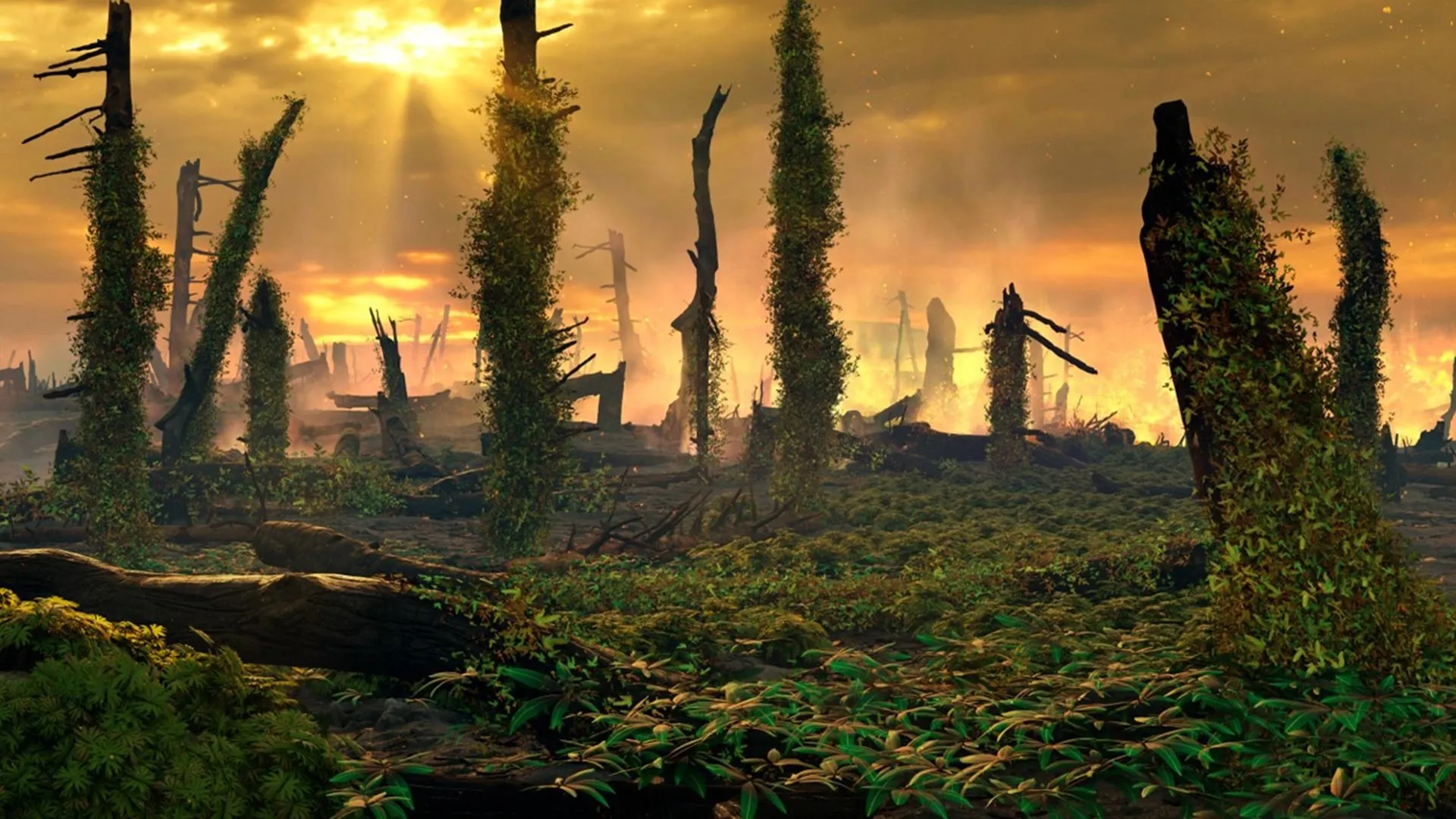
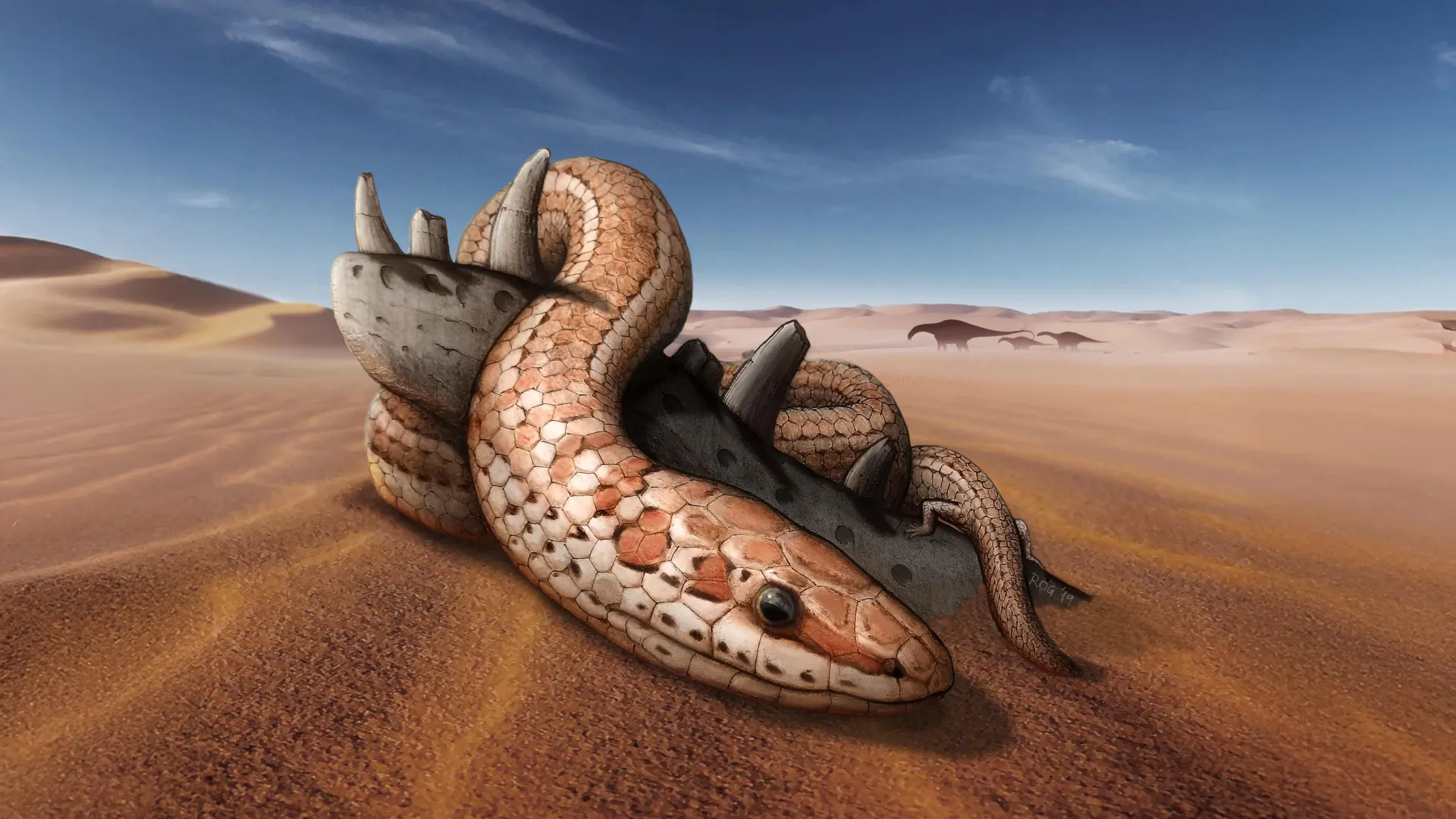
Lystrosaurus was an ancient, pig-sized plant-eater that became Earth's dominant large land animal in the immediate aftermath of the End-Permian mass extinction, the most catastrophic biological crisis in the history of complex animal life. At its peak roughly 252 million years ago, the event wiped out more than 90 percent of marine species and 70 percent of terrestrial vertebrate species. Lystrosaurus survived and thrived, at one point accounting for an estimated 90 percent of all individual vertebrates on land — a feat that has made it a subject of fascination for paleontologists studying evolutionary resilience.
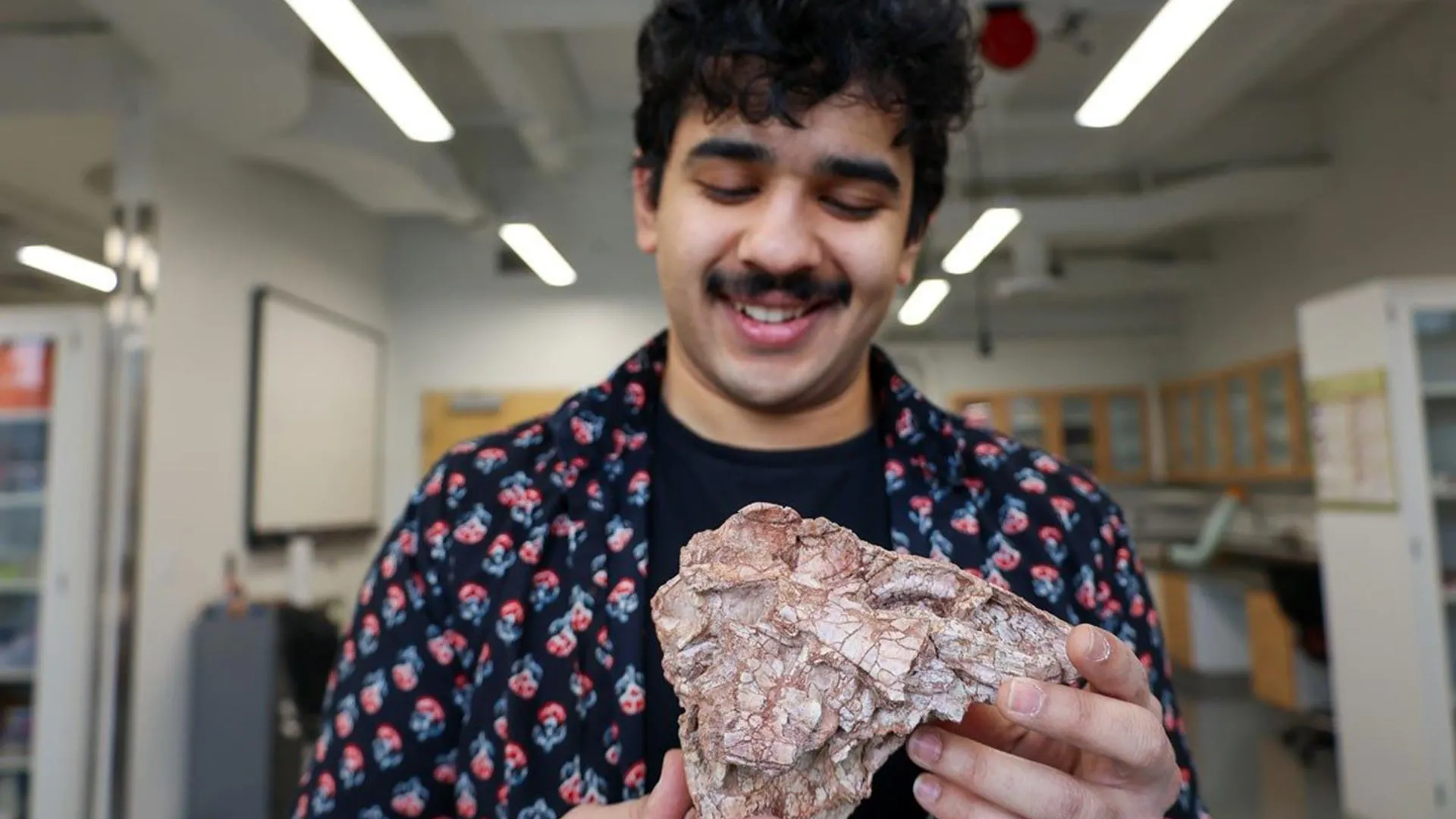
The fossil was first recovered during a 2008 field expedition led by Professor Jennifer Botha of the Evolutionary Studies Institute at the University of the Witwatersrand in Johannesburg. Field preparator John Nyaphuli identified a beautifully curled embryo at the time, but it remained unclear whether the specimen had died within an egg or was simply a very young hatchling. The scientific team, including Professor Julien Benoit and Dr. Vincent Fernandez of the European Synchrotron Radiation Facility in Grenoble, France, spent nearly two decades developing imaging technology capable of answering that question definitively.
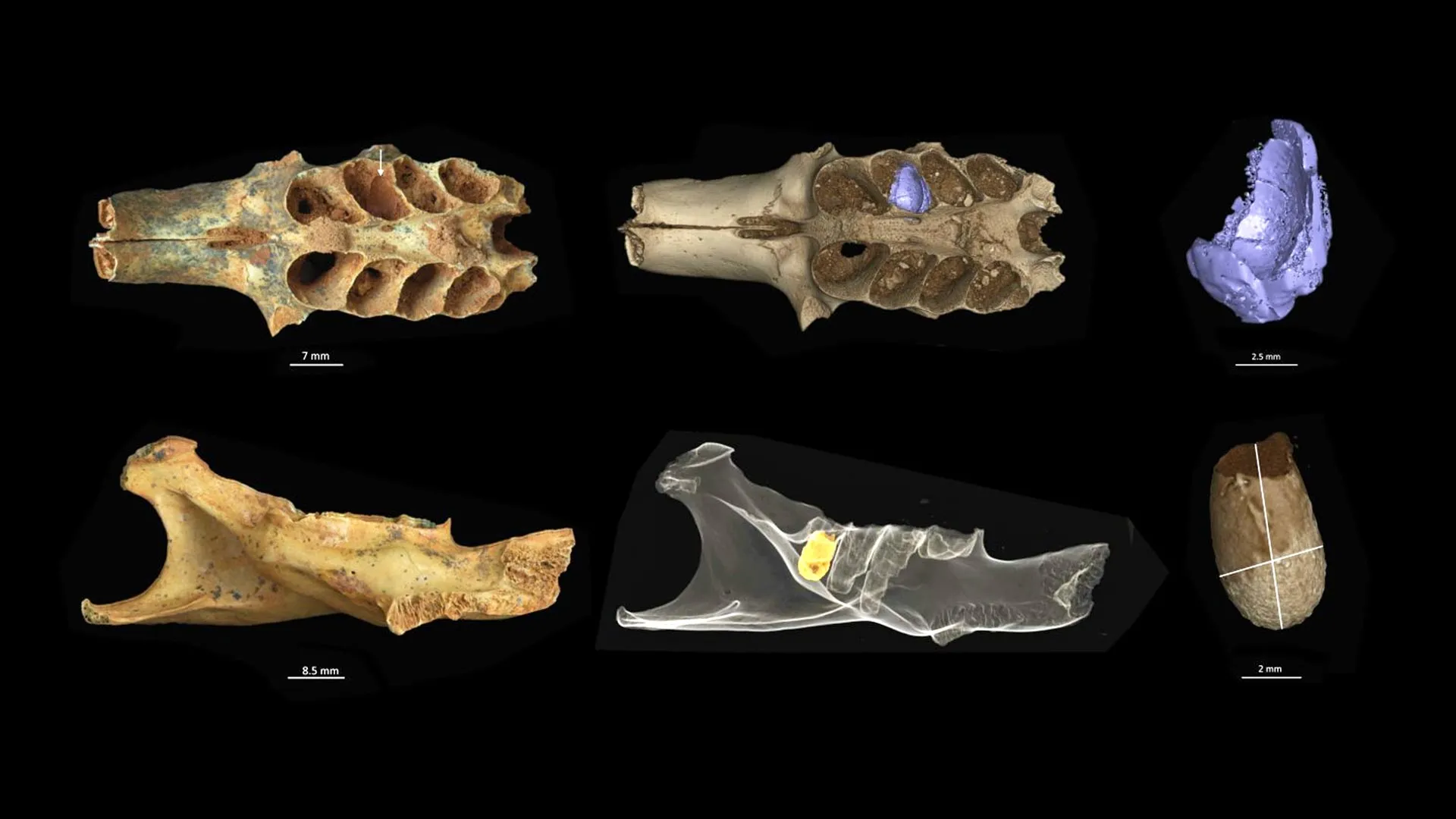
Using synchrotron X-ray computed tomography — a non-destructive 3D scanning technique that can resolve internal structures at microscopic scale — the researchers confirmed the presence of egg material surrounding the embryo. The egg was soft-shelled rather than calcified, composed of flexible organic matrices that are inherently resistant to fossilization, which explains why mammal ancestor eggs had never been found before. Key developmental markers within the embryo supported the conclusion: the lower jaw's mandibular symphysis had not yet fused, indicating the animal could not feed independently — strong evidence it died before hatching. "This fossil was discovered during a field excursion I led in 2008," Professor Botha said in a statement. "It became clear that it was a perfectly curled-up Lystrosaurus hatchling. But only now can we say with confidence that it died inside an egg."
The discovery resolves a long-standing question in vertebrate paleontology. It was known that the earliest true mammals eventually transitioned to live birth and milk production. But the reproductive strategy of the therapsids — the mammal-like reptiles that preceded true mammals — was unknown until now. The finding establishes a direct evolutionary link between egg-laying reptiles and the mammalian lineage.
The researchers argue the large, yolk-rich eggs gave Lystrosaurus a significant evolutionary advantage in the harsh, drought-prone world that existed immediately after the extinction event. Large eggs produce precocial young — offspring born physically developed and capable of independent movement and feeding without parental care. That independence would have been critical in a world where adult animals were scarce and resources could not reliably support extended parental investment. "This work offers a deep-time perspective on resilience and adaptability in the face of rapid climate change," Professor Benoit said — a comment that resonates in 2026 as climate-related stress on species diversity accelerates. In a world facing another era of dramatic environmental change, the lessons encoded in a 250-million-year-old fossil may carry implications that extend far beyond paleontology.