
Science
Scientists Discover Rare Flavoalkaloids in Cannabis Leaves, Opening New Medical Frontiers
First evidence of these prized compounds found in just one of three strains studied, revealing unexpected chemical diversity in cannabis plants.
Section
Science news: space, biology, climate, medicine and the research changing how we live.
First evidence of these prized compounds found in just one of three strains studied, revealing unexpected chemical diversity in cannabis plants.
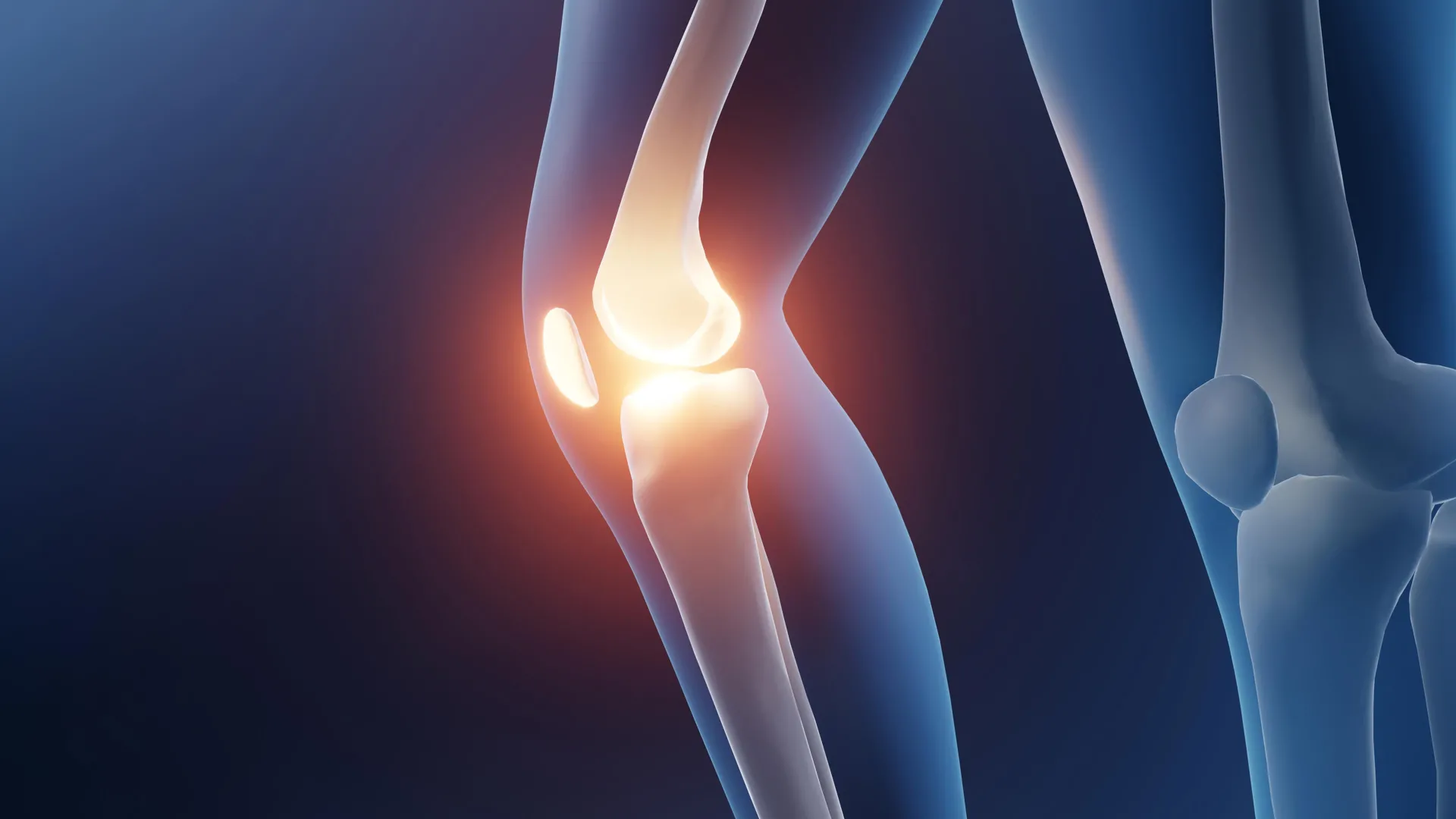
Comprehensive review of 217 trials shows walking, cycling and swimming outperform other exercise types in reducing pain and improving function.
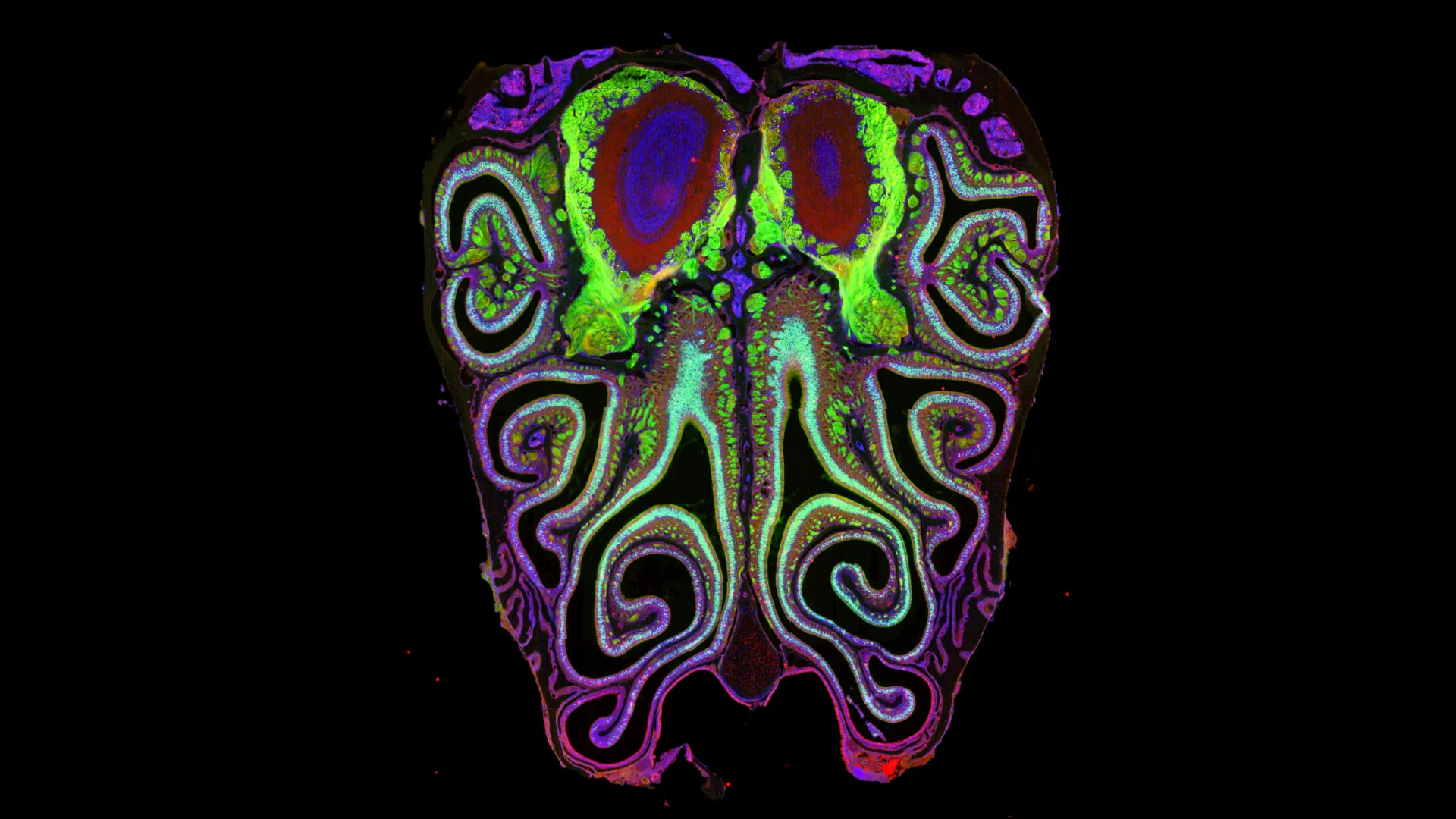
Researchers map millions of neurons in mice to uncover organized stripe patterns in smell receptors, solving a long-standing mystery about olfactory system organization.
Comprehensive review of 217 trials shows walking, cycling, and swimming outperform other exercise types in reducing pain and improving function for knee osteoarthritis patients.
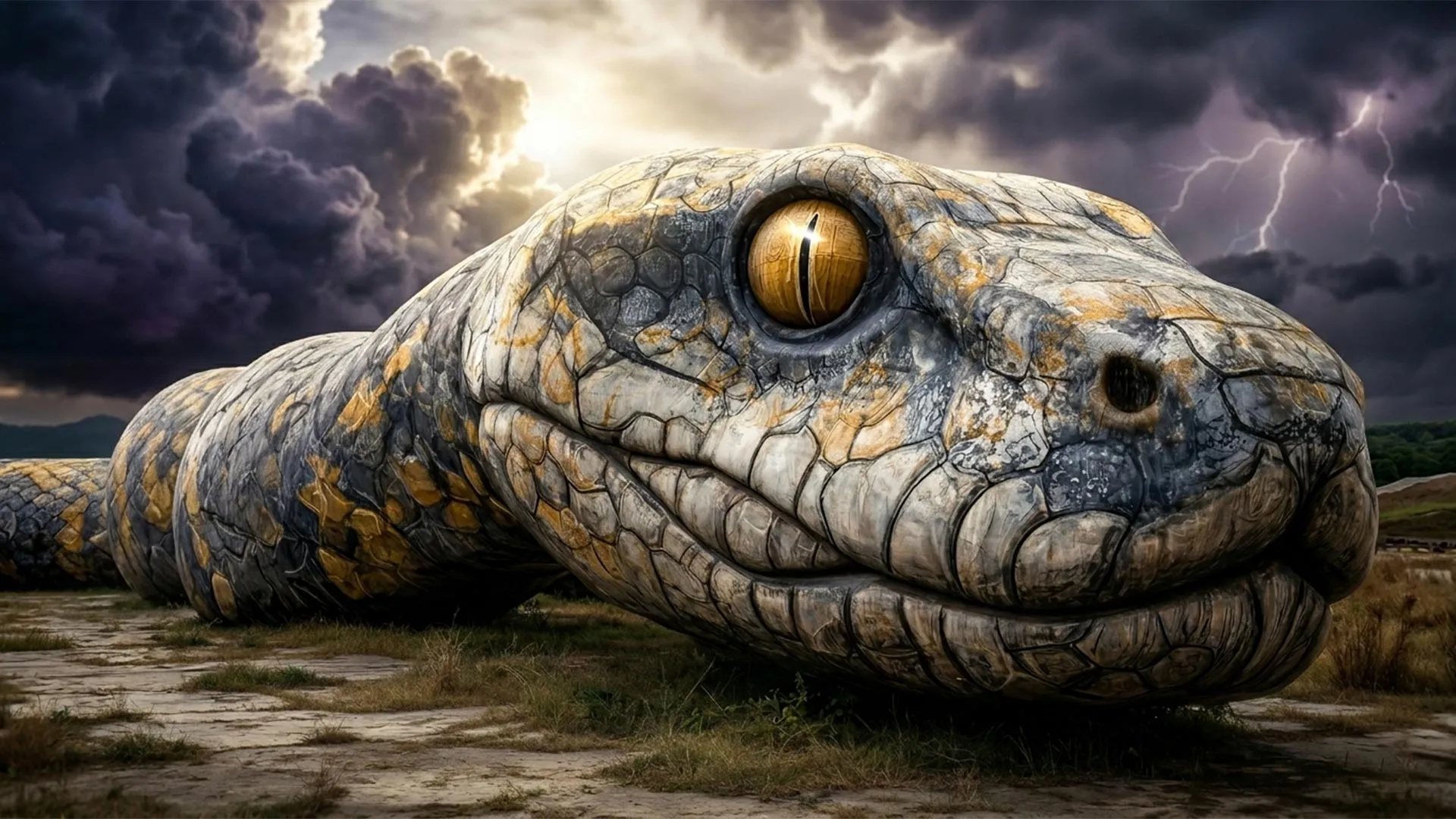
Vasuki indicus lived 47 million years ago and could have stretched up to 49 feet long, making it one of the largest snakes ever discovered.
Named Vasuki indicus, the massive prehistoric serpent lived 47 million years ago in India and represents a unique lineage that originated on the subcontinent.
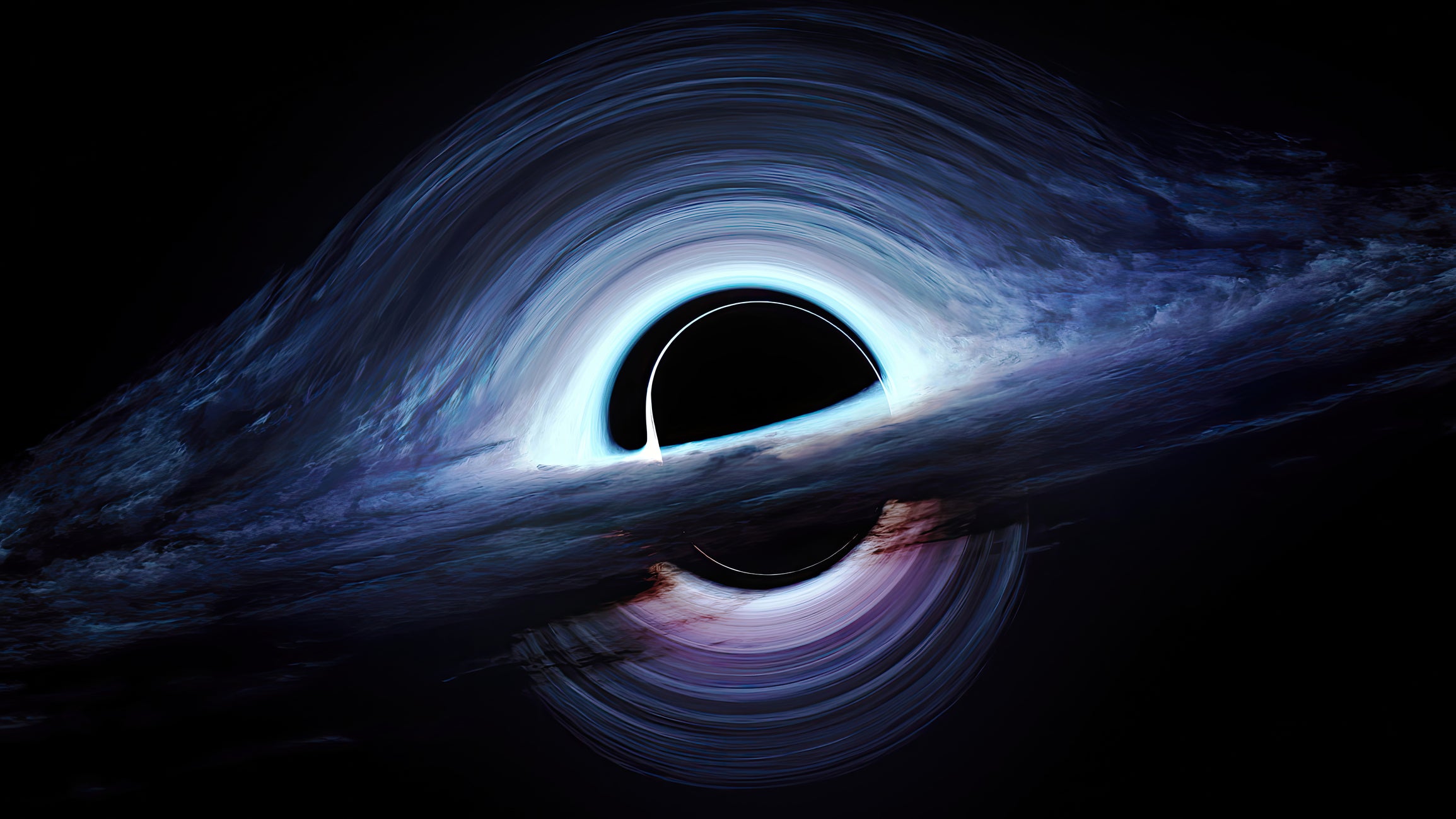
Modeling shows axion-like particles in a narrow mass window can trigger direct collapse of gas clouds into billion-solar-mass black holes — the kind James Webb keeps finding too early in cosmic history.
Fossil remains of Vasuki indicus from 47 million years ago reveal a massive serpent that stretched up to 49 feet in length.
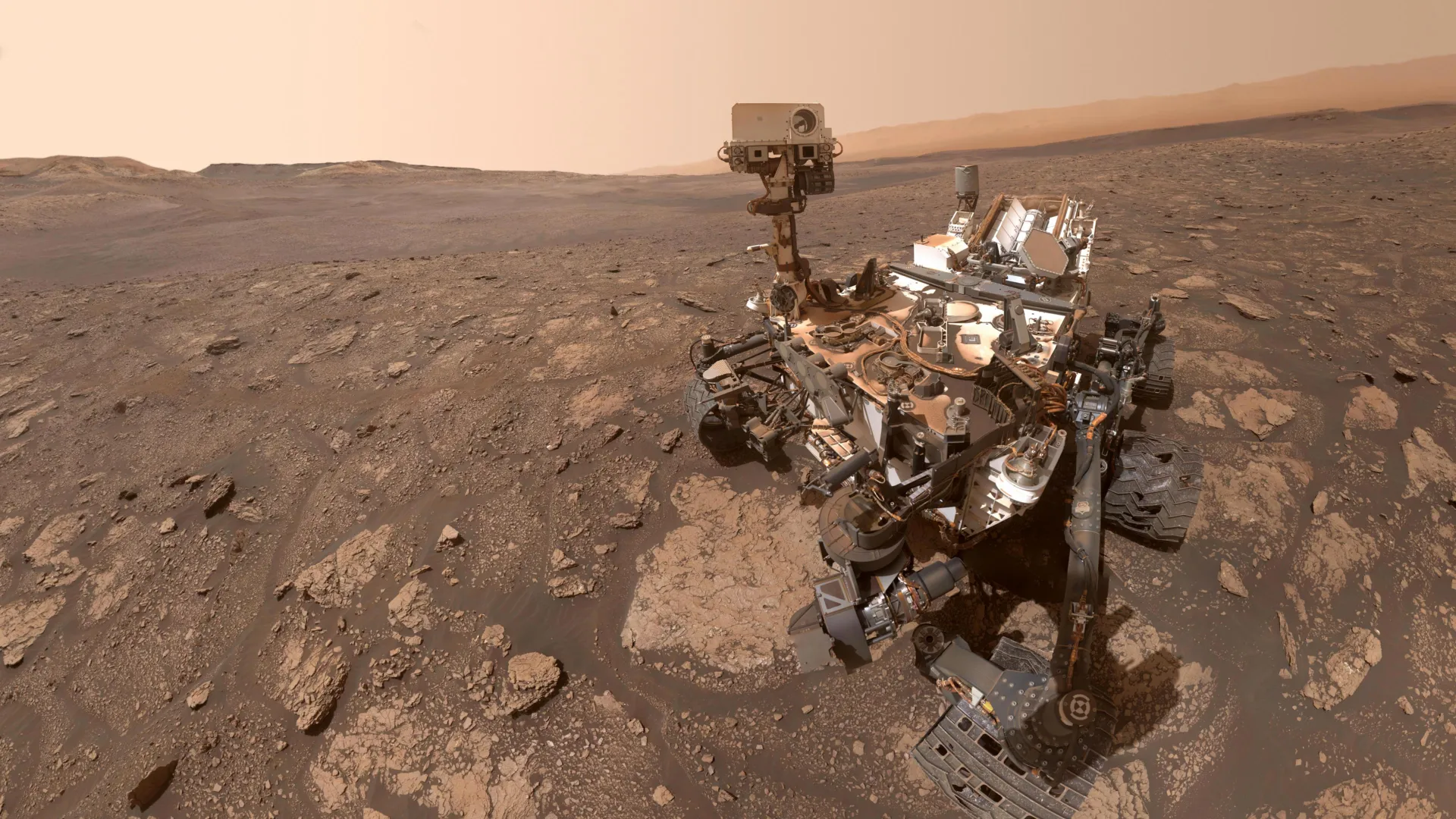
The rover detected compounds resembling DNA building blocks in 3.5-billion-year-old rocks, suggesting Mars may have once been far more biologically promising than previously thought.
The variety of compounds includes DNA-like building blocks preserved in 3.5-billion-year-old rocks, suggesting Mars was once more biologically promising.
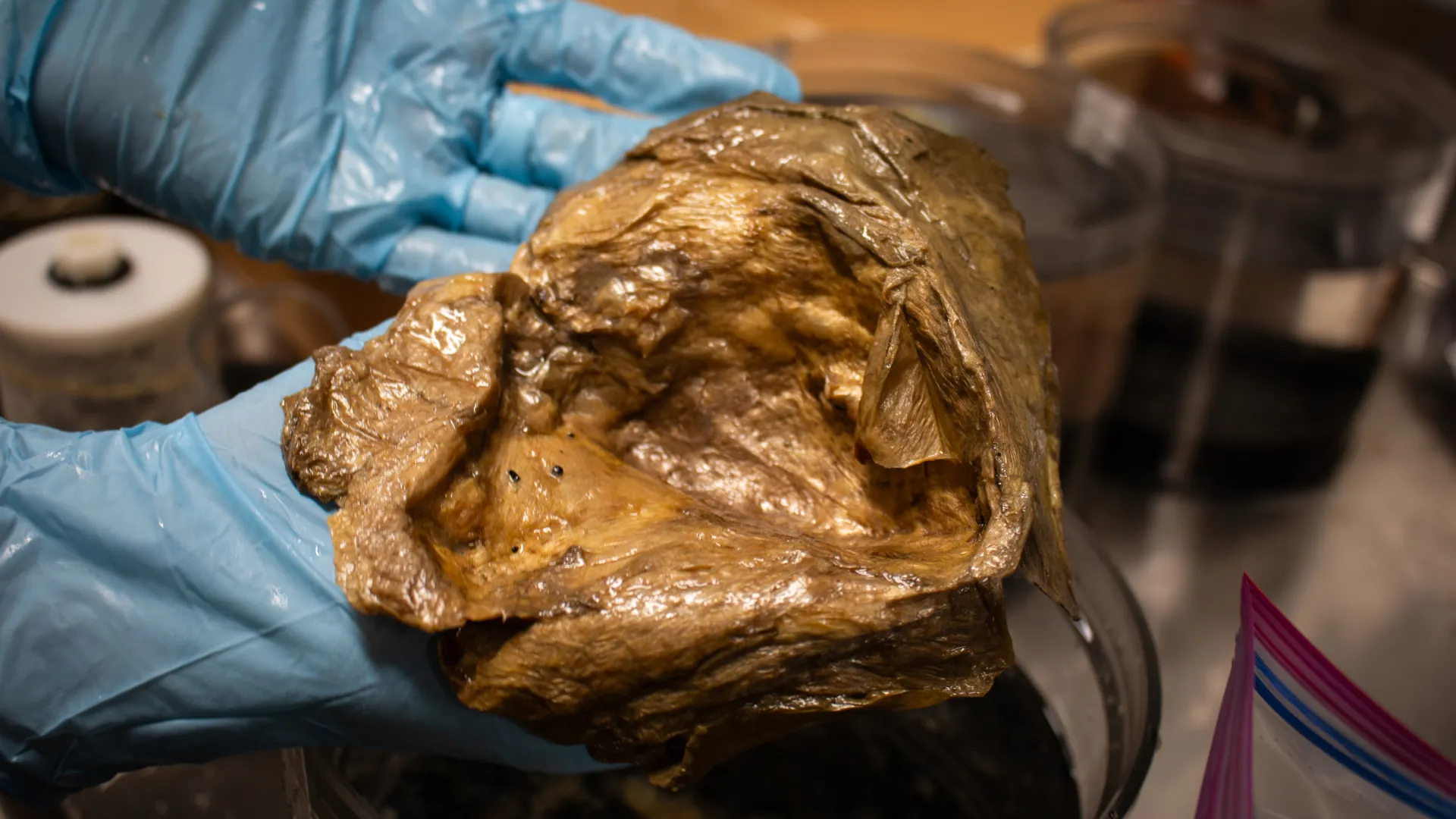
After more than two years of investigation, researchers identify the strange object found 2 miles deep as remains from a giant sea anemone.
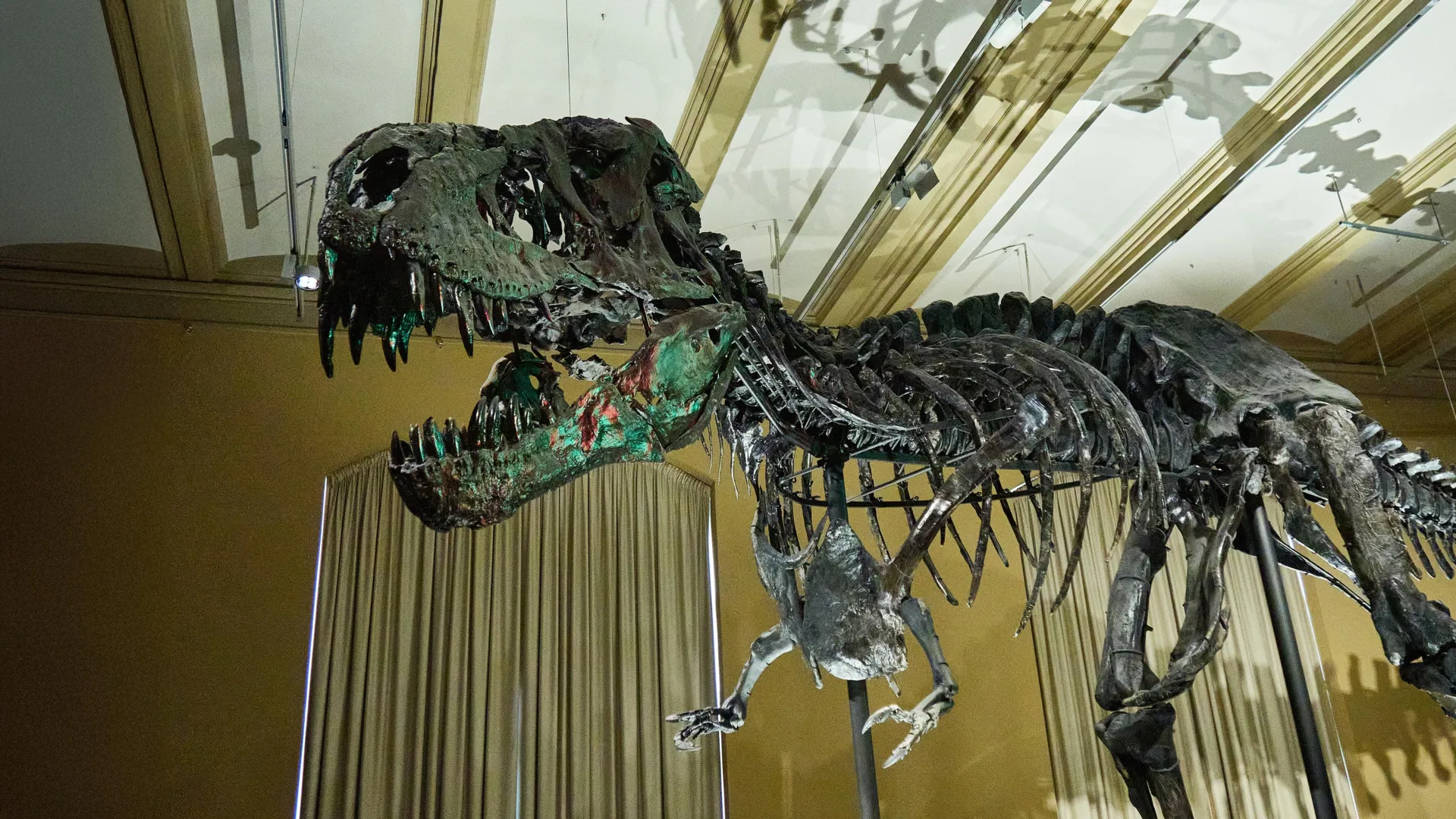
Powerful synchrotron X-rays uncover preserved blood vessels in 66-million-year-old Tyrannosaurus rex rib, providing new insights into dinosaur biology and recovery.
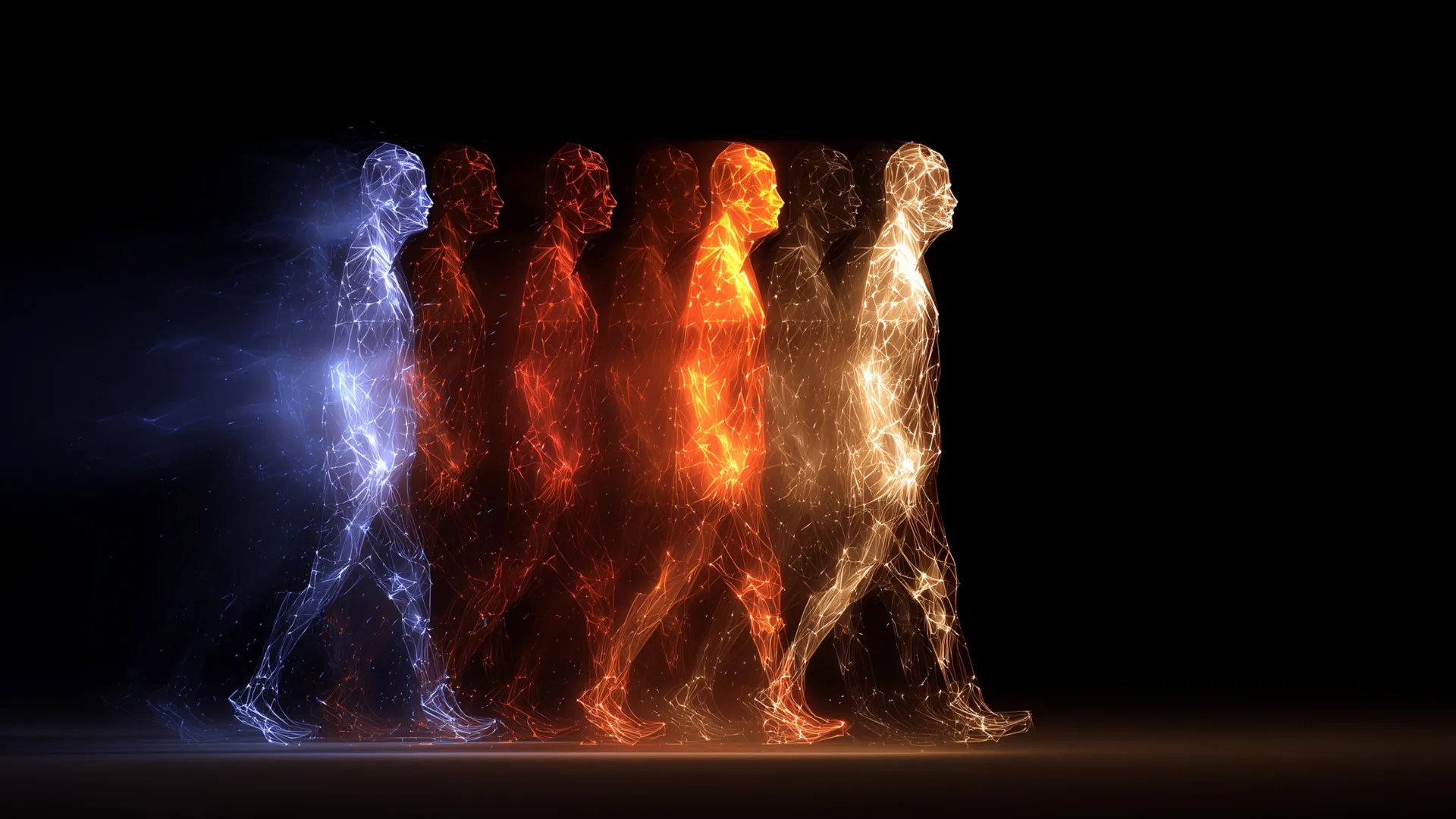
Genetic research challenges single-population theory, showing early humans evolved from multiple intermingling groups across Africa over hundreds of thousands of years.

New research suggests EPA, a key omega-3 fatty acid, could interfere with blood vessel healing and contribute to cognitive decline.
Powerful synchrotron X-rays reveal preserved circulatory system in 66-million-year-old Tyrannosaurus rex bone, offering unprecedented insights into dinosaur biology and healing processes.
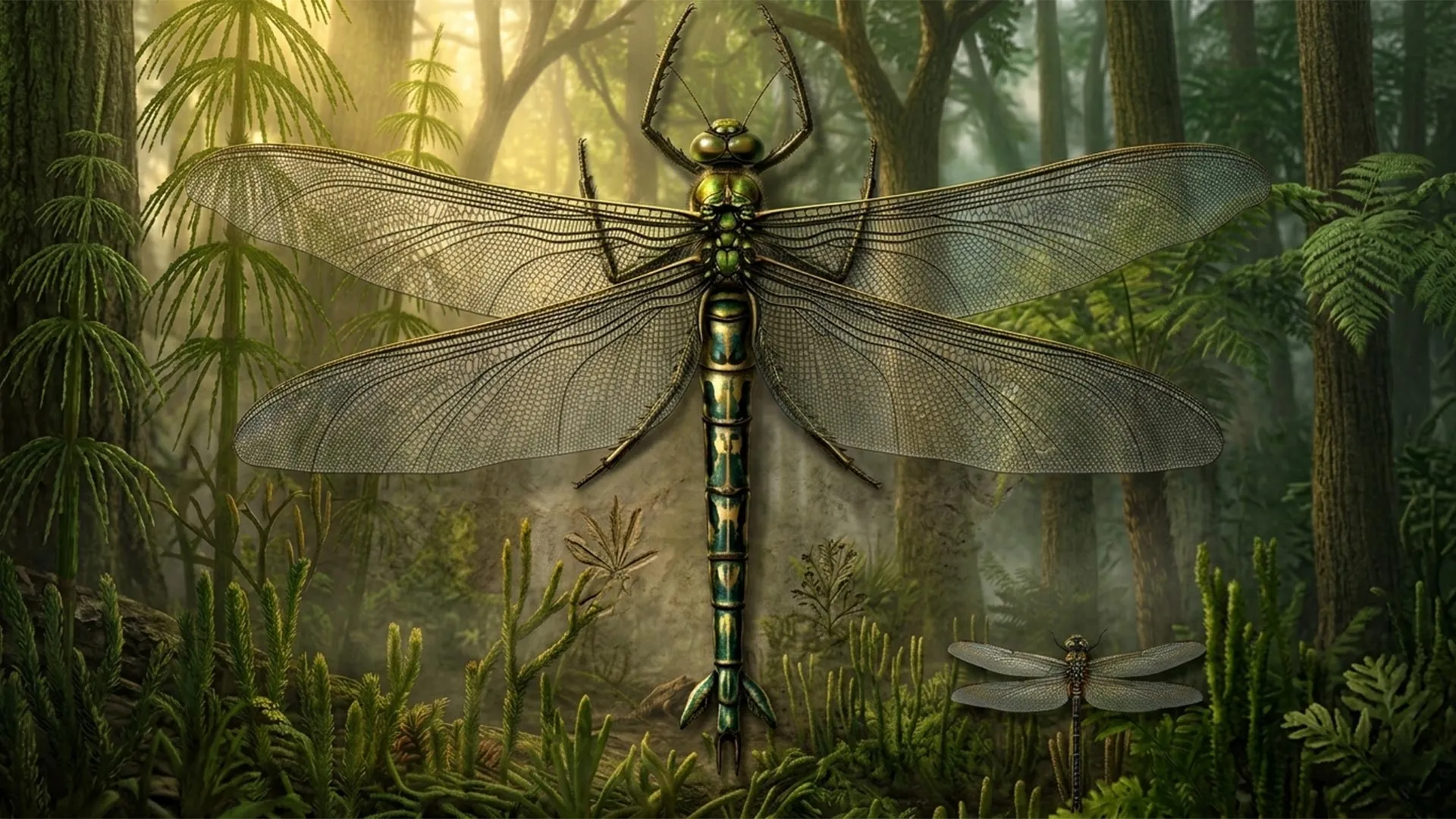
New research overturns decades-old theory about massive ancient dragonflies, showing oxygen alone can't explain their enormous size.
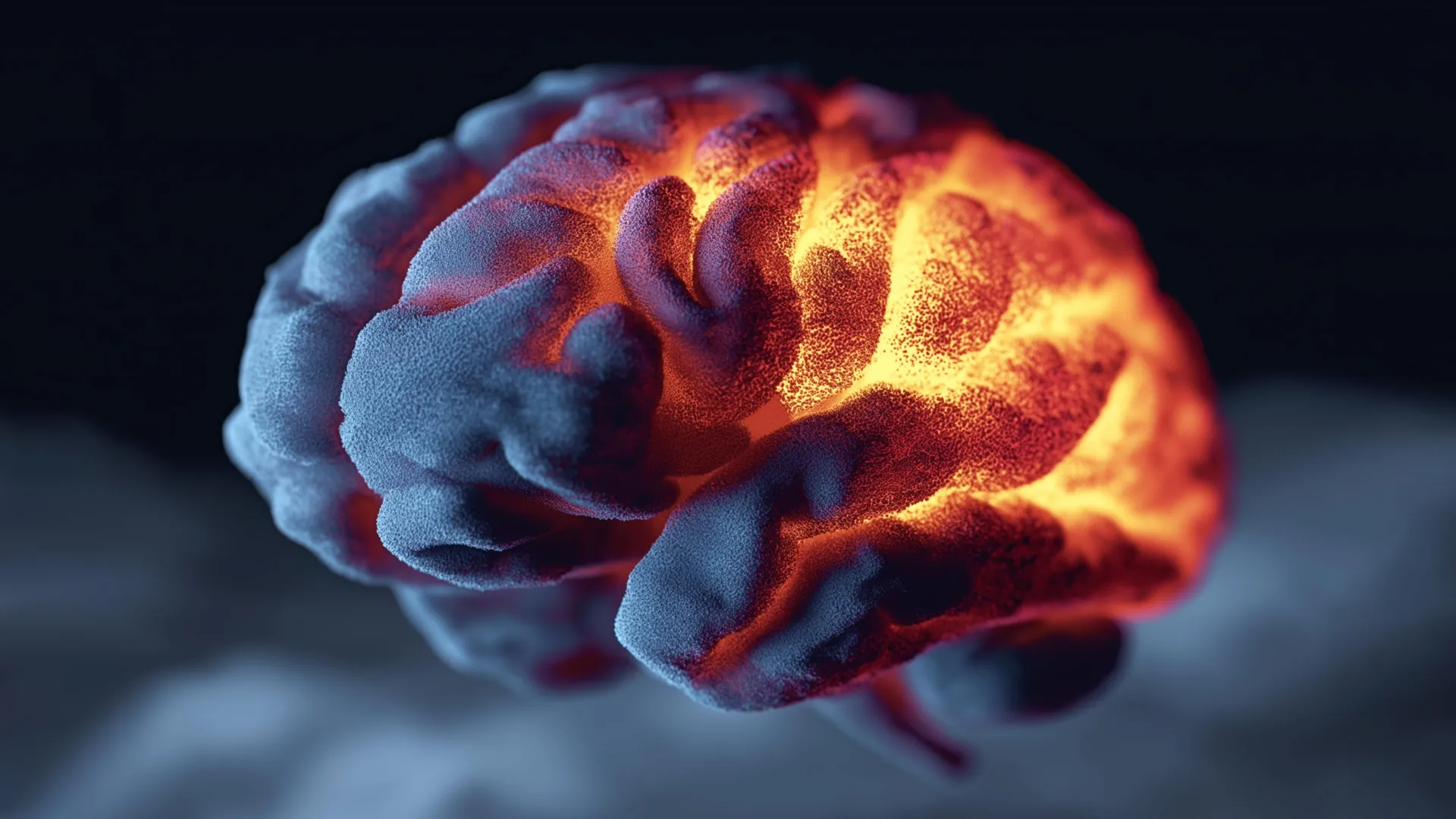
Breakthrough research reveals how Morganella morganii bacteria interacts with environmental pollutants to produce inflammation-causing molecules strongly linked to major depressive disorder.
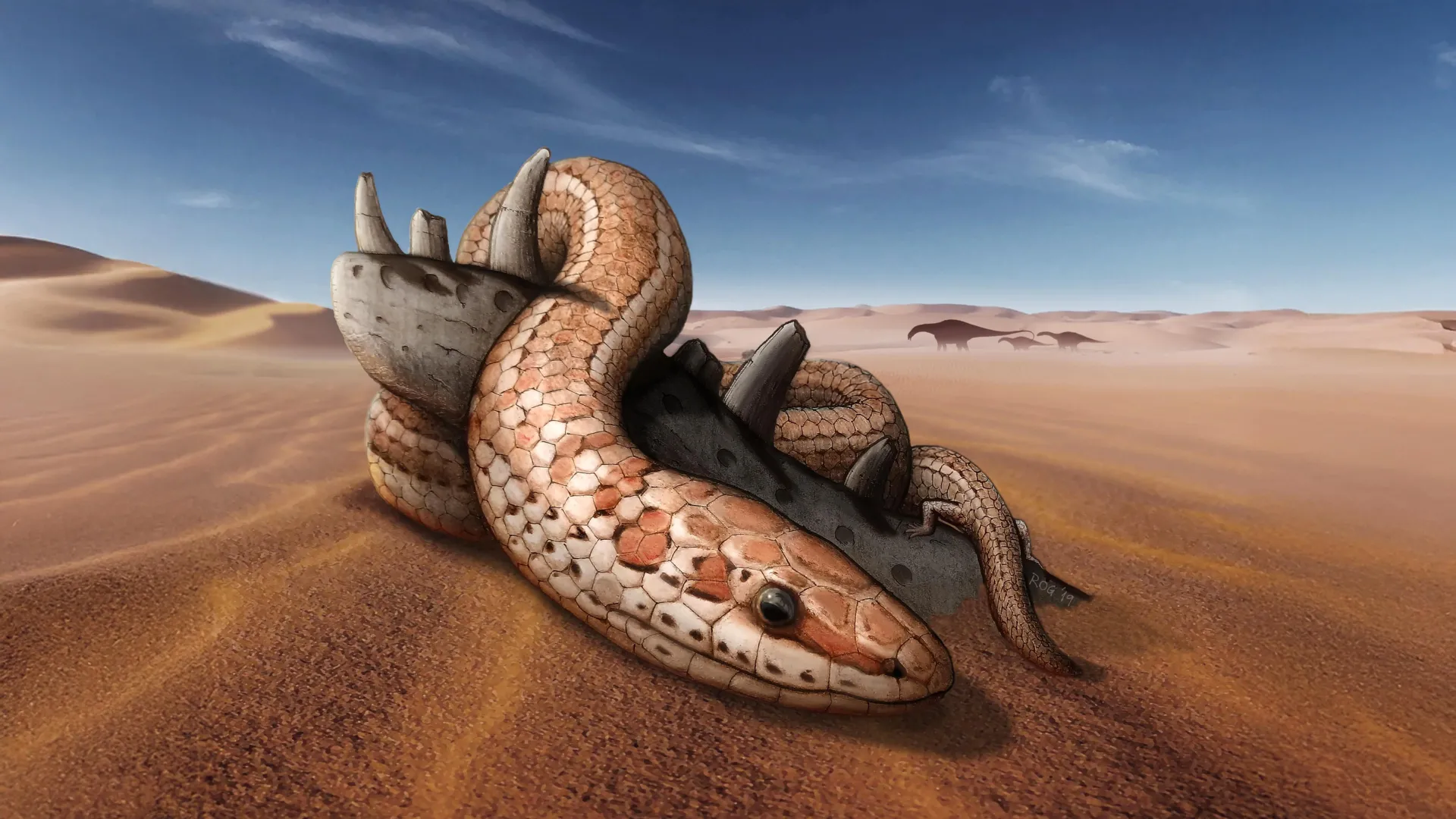
Najash rionegrina fossil reveals early snakes were large predators with wide mouths, not small burrowers as previously thought.

Researchers confirm first plague mass burial site at Jerash, Jordan, offering unprecedented insight into how the Plague of Justinian reshaped ancient societies.
A remarkably preserved fossil reveals early snakes were large, wide-mouthed predators rather than tiny burrowers, challenging long-held theories about snake origins.
Najash rionegrina specimen challenges long-held theories about snake origins, showing early serpents were large predators with hind legs and intact cheekbones.

Researchers pinpoint two specific cell types that behave differently in depression, offering new treatment targets.
Breakthrough study using donated brain tissue reveals cellular changes in neurons and immune cells, providing clearest biological evidence of depression's physical basis.
Researchers at McGill University have pinpointed two distinct cell types that function differently in people with depression, offering new targets for treatment.
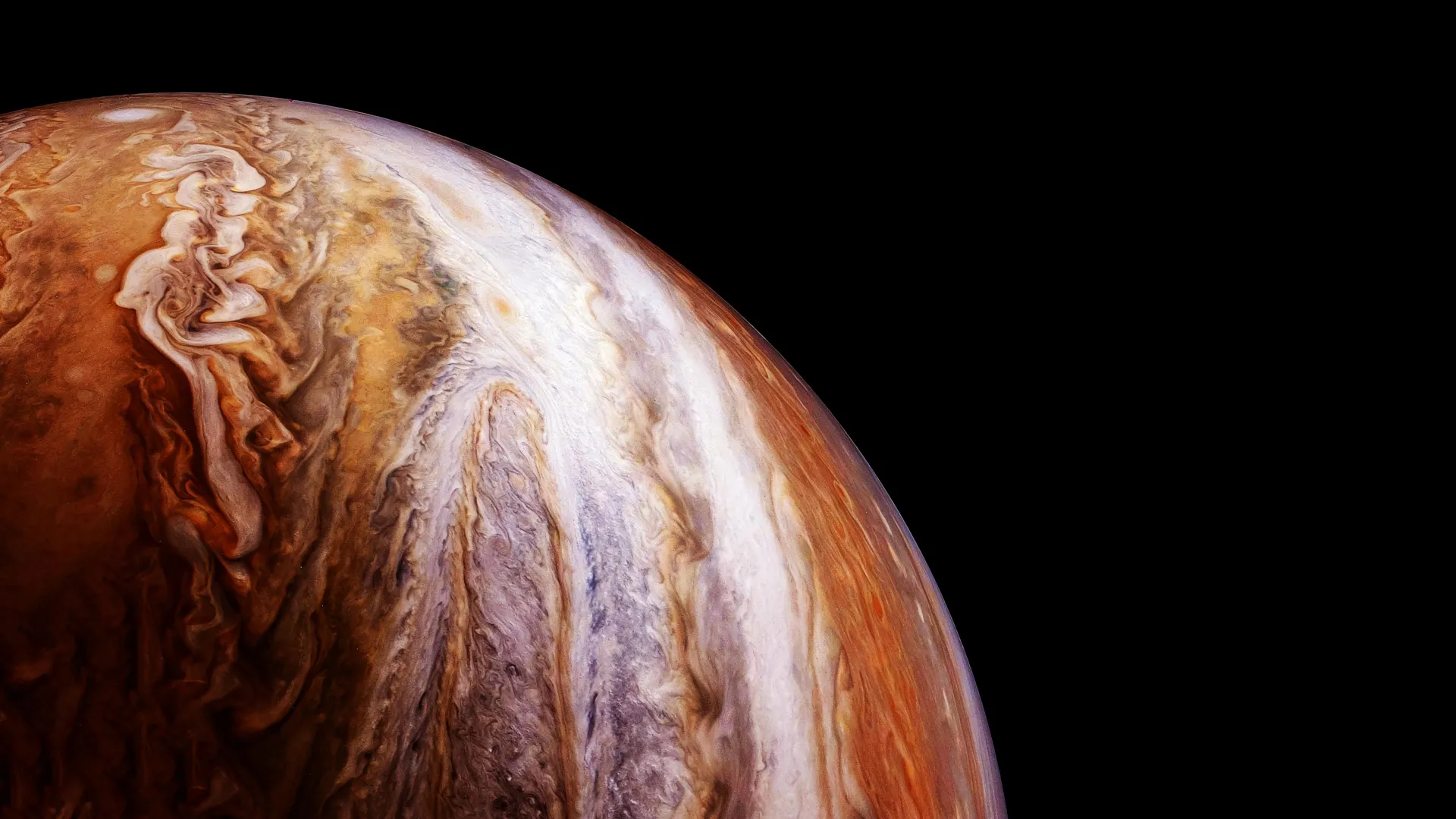
Unexpected water-ice clouds found on Jupiter-like exoplanet challenge atmospheric models and reveal new complexity in giant planet weather systems.
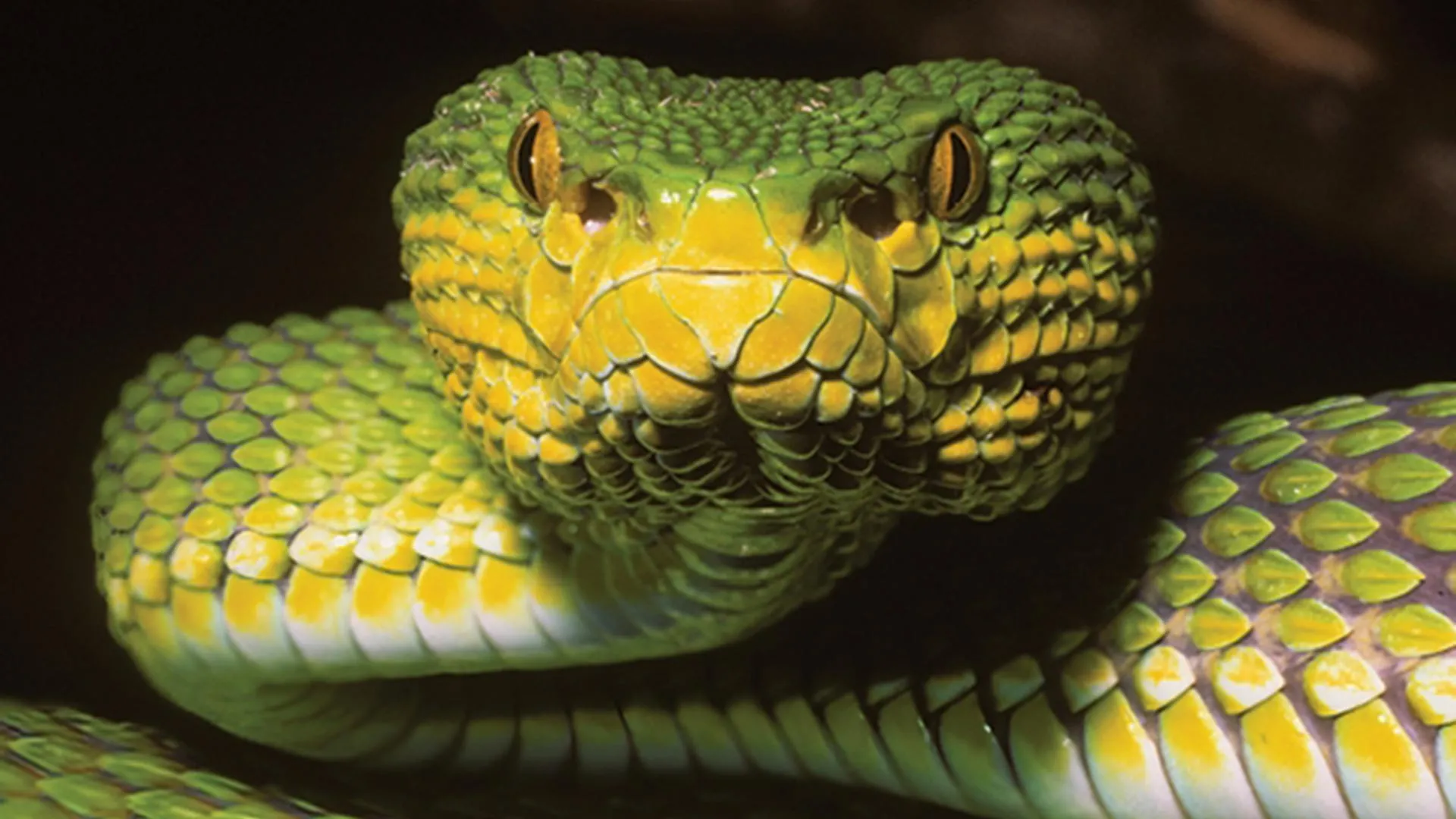
The Ayeyarwady pit viper seems to blur species definitions by looking like multiple different snakes at once, challenging traditional classification methods.
Water ice formations on Jupiter-like exoplanet Epsilon Indi Ab challenge atmospheric models and reveal new complexity in alien worlds.
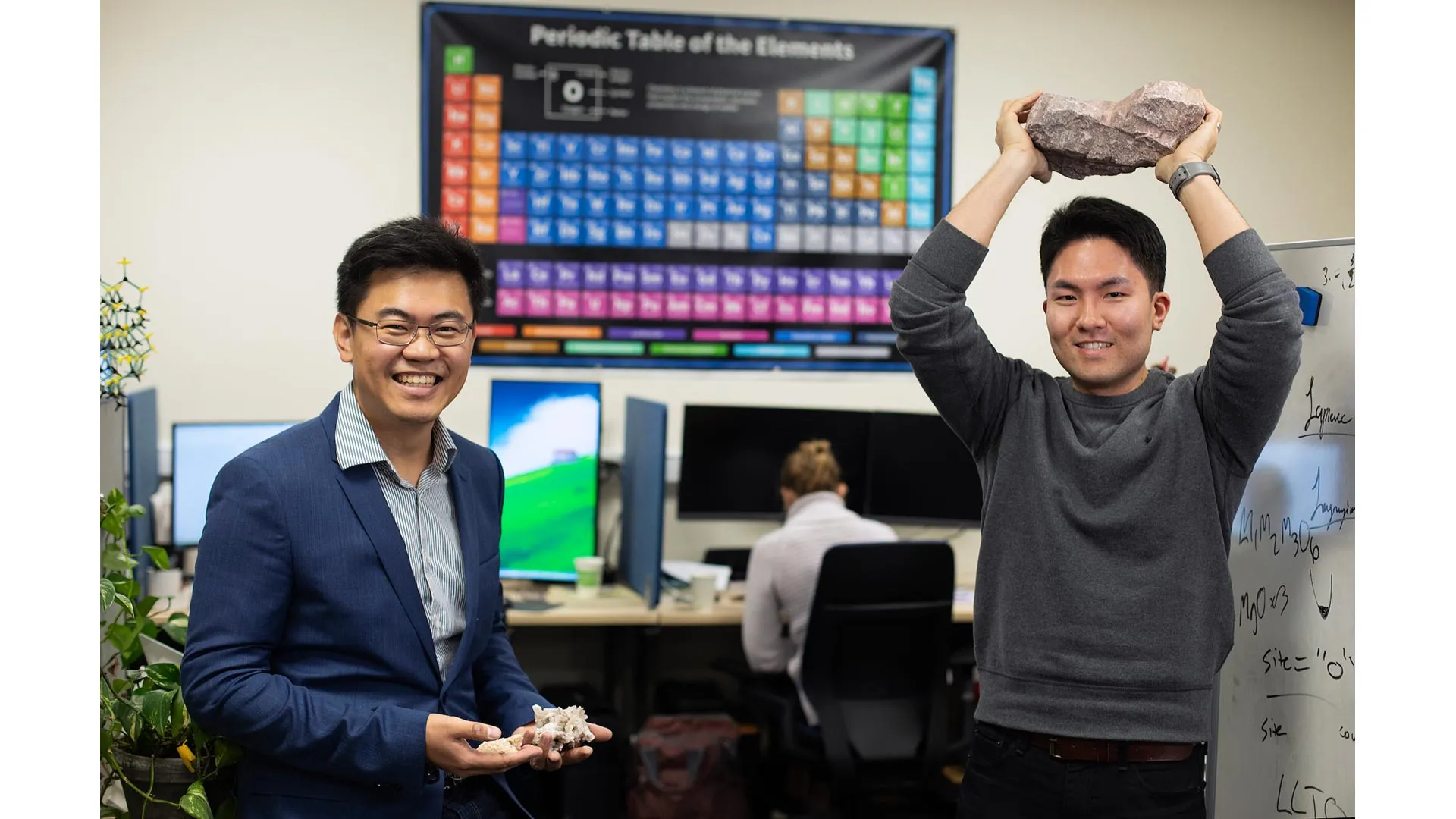
Breakthrough discovery reveals why the common geological mineral has resisted laboratory growth, potentially reshaping materials science approaches.

A neuro-symbolic architecture achieved 95% success on Tower of Hanoi vs. 34% for standard models, while training in 34 minutes instead of 36 hours.

Scientists behind Casgevy — the world's first CRISPR-based medicine — and Luxturna, the first gene replacement therapy to restore sight in children, were honored at the April 18 ceremony.