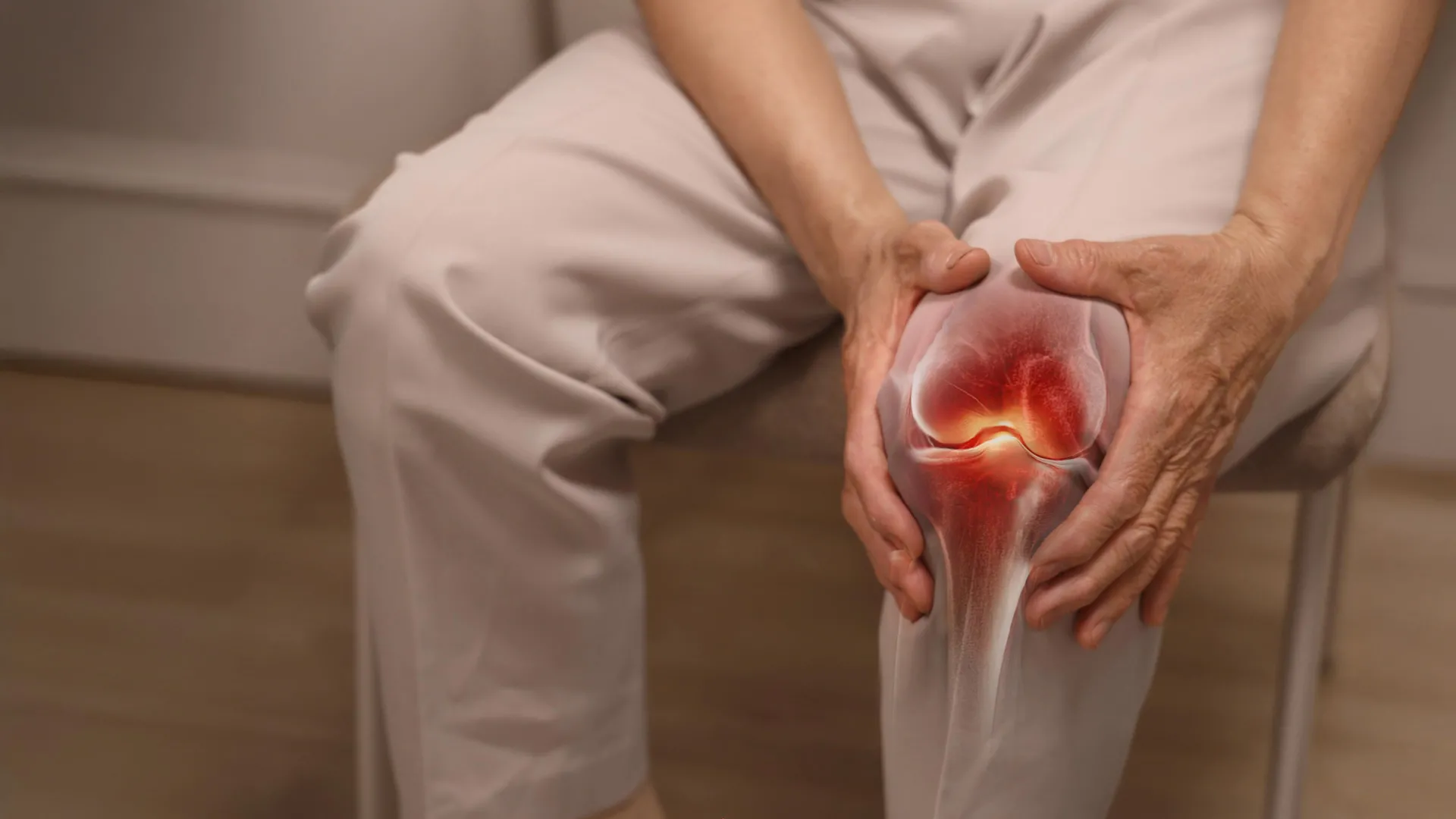
Aerobic Exercise Proven Most Effective Treatment for Knee Arthritis Pain Relief
Comprehensive review of 217 trials shows walking, cycling, and swimming outperform other exercise types in reducing pain and improving function for knee osteoarthritis patients.
A comprehensive analysis of 217 clinical trials involving over 15,000 participants has definitively established aerobic exercise as the most effective treatment for managing knee osteoarthritis symptoms. The landmark study, published in The BMJ, found that activities such as walking, cycling, and swimming consistently provided the greatest improvements in pain reduction, physical function, walking ability, and overall quality of life for patients with knee arthritis. While other forms of exercise also showed benefits, researchers concluded they work best when used alongside aerobic activity rather than as standalone treatments.
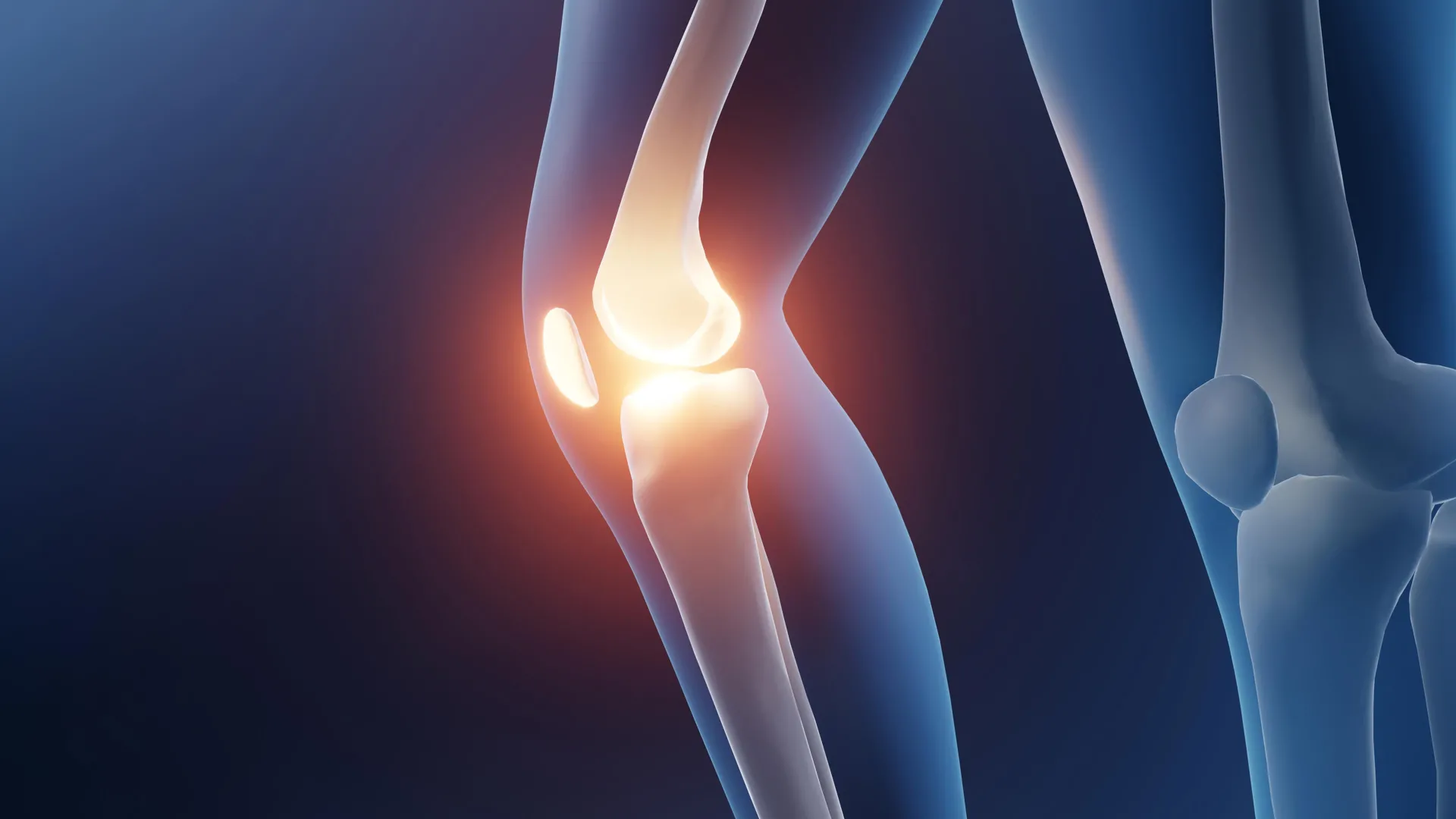
Knee osteoarthritis affects nearly 30 percent of adults over 45, with about half experiencing severe symptoms that significantly impact their daily lives. The condition develops when cartilage that cushions bone ends gradually breaks down, leading to pain, swelling, and reduced mobility. Despite exercise being widely recommended as a cornerstone of treatment, current medical guidelines have lacked clear direction on which specific types of physical activity provide the most benefit for patients.
The research team conducted a systematic review of studies published between 1990 and 2024, comparing various exercise approaches including aerobic training, flexibility work, strength training, mind-body practices, neuromotor training, and mixed programs. Using the recognized GRADE system to evaluate evidence quality, they assessed outcomes at short-term (four weeks), mid-term (12 weeks), and long-term (24 weeks) intervals. The analysis focused on measures that matter most to patients: pain levels, physical function, walking performance, and quality of life.
Aerobic exercise demonstrated moderate-certainty evidence of effectiveness across multiple timeframes and outcome measures. The benefits extended beyond simple pain relief to include meaningful improvements in patients' ability to perform daily activities and maintain independence. Other exercise types also showed value, with mind-body approaches improving short-term function, neuromotor training enhancing walking performance, and strength training contributing to mid-term functional gains.
Crucially, the study found that none of the exercise interventions increased the risk of adverse events compared to control groups, reinforcing exercise as a safe treatment option. The researchers acknowledged some limitations, including the indirect nature of many comparisons and the variable quality of individual trials. However, the large scale of the analysis and consistent findings across multiple studies provide strong evidence for prioritizing aerobic exercise in knee osteoarthritis treatment plans while incorporating other forms of physical activity as complementary approaches.