Simple Knee Braces and Water Therapy Beat Drugs for Arthritis Pain Relief
Major analysis of nearly 10,000 patients reveals non-drug treatments significantly ease symptoms while avoiding medication risks.
A comprehensive analysis of 10,000 patients across 77 clinical trials has found that simple mechanical interventions — primarily knee braces, insoles, and hydrotherapy — provide significantly greater pain relief for knee osteoarthritis than commonly prescribed medications including non-steroidal anti-inflammatory drugs and acetaminophen, with far fewer side effects.
The systematic review and meta-analysis, published in The BMJ, compared 14 different treatment approaches for knee osteoarthritis across nearly 200 trials, ranking them by both effectiveness and safety. The results showed that valgus knee braces, which redistribute weight away from the damaged inner compartment of the knee, reduced pain by an average of 38 percent compared to 12 percent for the best-performing oral medication in the dataset. Aquatic exercise programs came in second, reducing pain by 32 percent, followed by transcutaneous electrical nerve stimulation devices at 28 percent.
Celecoxib, a prescription anti-inflammatory, was the highest-ranked medication, but at an effectiveness level roughly one-third that of the mechanical interventions. Over-the-counter options like ibuprofen and naproxen showed modest effects, while acetaminophen performed no better than placebo in the combined dataset. The authors noted that opioid medications, which are sometimes prescribed for severe osteoarthritis pain, were excluded from the analysis because their risk profile in the general population makes them inappropriate for comparison in this context.
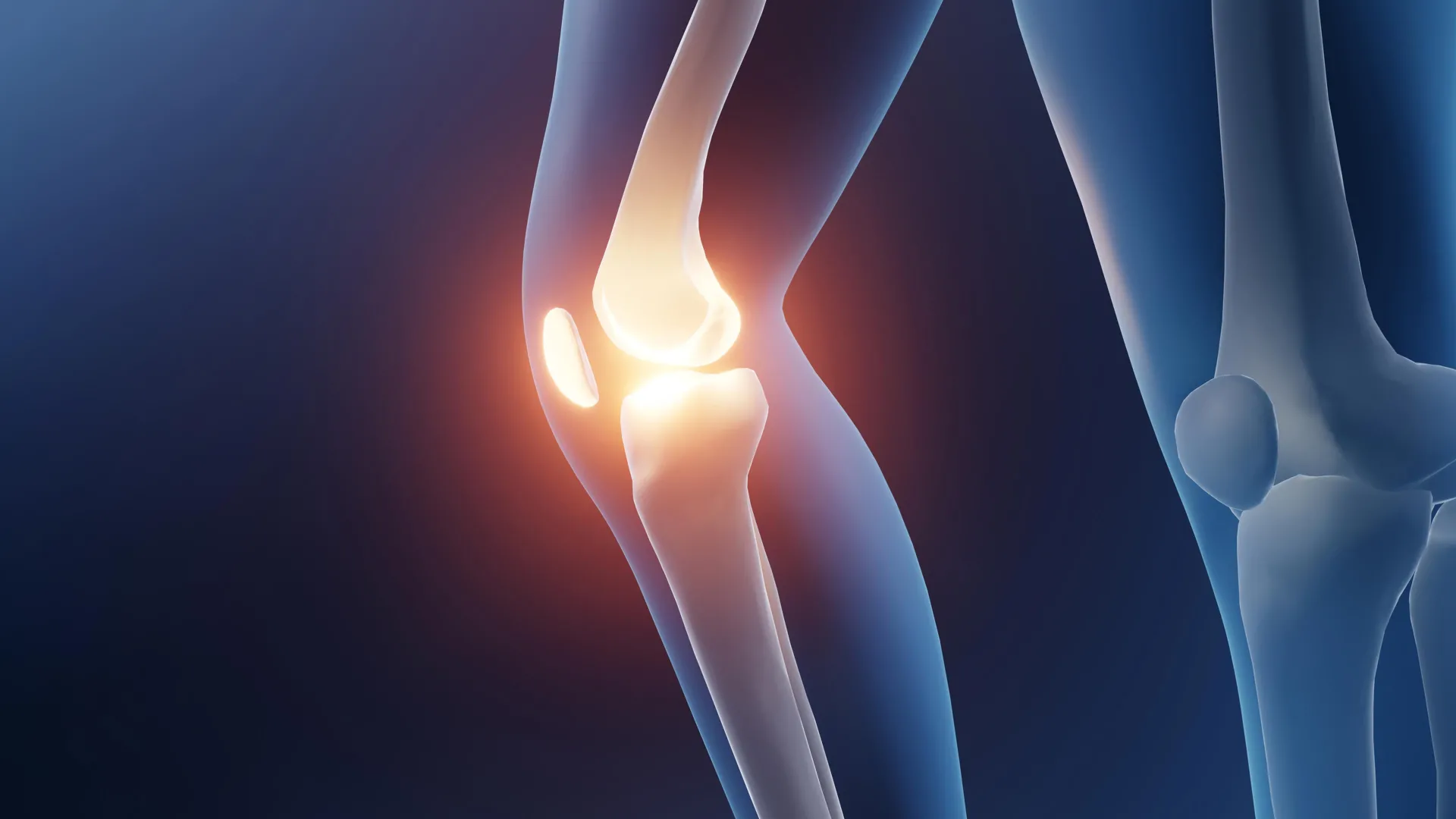
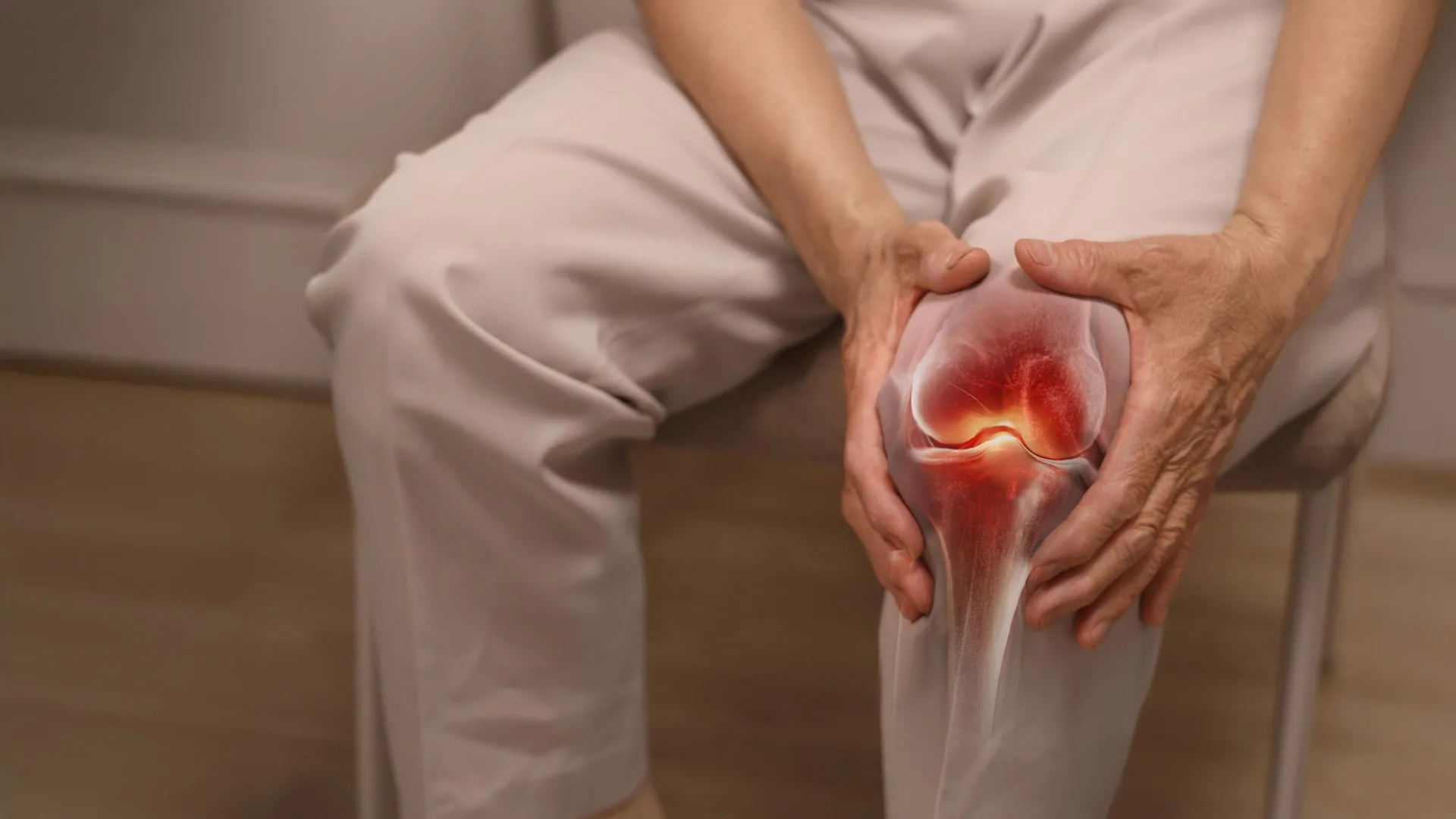
Knee osteoarthritis affects an estimated 250 million people worldwide and is one of the leading causes of disability in adults over 60. It is caused by the gradual degradation of cartilage in the knee joint, leaving bones to rub against each other, causing pain, stiffness, and reduced range of motion. Current treatment guidelines from the American College of Rheumatology and the European League Against Rheumatism both recommend exercise and weight management as first-line treatments but have historically given less prominence to mechanical devices.
The lead author, a rheumatologist at University College London, said the findings should prompt clinicians to reconsider their prescribing habits. Many doctors still reach for a prescription pad first because it's quick and familiar, the researcher said. But for the average knee osteoarthritis patient, a properly fitted brace or a referral to a hydrotherapy pool will do more good than a course of NSAIDs, and without the gastrointestinal, cardiovascular, and kidney risks that come with long-term NSAID use.